
Can parents get student loans for their children?
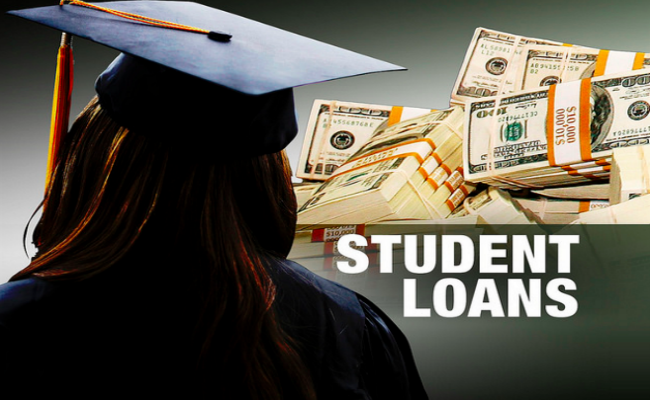
Can parents get student loans for their children?
PLUS loans and co-signing private loans — what parents need to know
Helping a child pay for college is one of the most common — and stressful — financial decisions parents make. Two common routes are federal Parent PLUS loans and co-signing private student loans. Both let parents help their kids afford school, but they work very differently and carry different risks. This article explains how each option works, the pros and cons, alternatives to consider, and practical next steps so you can choose the best path for your family.
1. Quick overview: the two options
Parent PLUS loans (federal): These are federal loans made directly to parents (not the student). They’re available to biological parents, adoptive parents, and sometimes stepparents. The family’s income is considered for the student’s FAFSA, but Parent PLUS eligibility focuses on the parent’s credit history (not income). Repayment, interest, and rules follow federal loan guidelines.
Co-signing private student loans: Private lenders make loans to students who otherwise can’t qualify on their own credit. A parent co-signs to guarantee the loan. The loan is legally the student’s, but the co-signer is legally responsible if the student doesn’t pay. Private loans follow the lender’s terms (rates, repayment, cosigner release rules).
2. Parent PLUS loans: how they work
-
Borrower: Parent (not the student).
-
Application: Parent applies after the student’s FAFSA is completed. Approval depends on an adverse credit check — not on family income. If a parent has an adverse credit history, they may still get a loan by getting an endorser (similar to a co-signer) who has good credit or by documenting extenuating circumstances to the Department of Education.
-
Loan limits: Parent can borrow up to the cost of attendance minus other aid. That means you can, in principle, borrow enough to cover remaining tuition, fees, room and board, and other school-approved costs.
-
Interest & fees: Parent PLUS loans have a fixed interest rate set by the federal government and typically an origination fee. Rates and fees change over time, so check the current figures when you apply. Interest accrues while the student is in school; parents can choose to pay interest during school or allow it to capitalize (added to principal later).
-
Repayment: Repayment generally begins shortly after the loan is fully disbursed, though deferment options are available (for example, deferment while the student is enrolled at least half-time). Parents can choose from multiple repayment plans (including income-contingent options if they consolidate), but Parent PLUS loans have more limited income-driven repayment access unless consolidated with other federal loans into a Direct Consolidation Loan and then Apply for certain repayment plans. Public Service Loan Forgiveness (PSLF) is an option only if the parent is the borrower and meets other PSLF rules.
-
Borrower protections: As federal loans, Parent PLUS loans carry borrower protections federal law provides — deferment, forbearance, discharge in certain circumstances, and the potential for forgiveness programs.
Pros:
-
Predictable federal protections and repayment options.
-
Can borrow up to cost of attendance.
-
No need to put up collateral.
Cons:
-
Loan is in the parent’s name — it affects their credit and debt-to-income ratio.
-
Interest rates and fees may be higher than the best private options.
-
Limited automatic access to income-driven plans unless consolidated.
3. Co-signing private student loans: how they work
-
Borrower: Often the student is the primary borrower; the parent co-signs to qualify or get a better rate. Some private lenders also offer loans directly to parents (parent loans), but co-signed student loans are common.
-
Approval: Lender evaluates both student and co-signer credit. A strong co-signer often secures a lower interest rate or approval for a larger amount.
-
Interest & terms: Private lenders set interest rates (fixed or variable) and terms (10, 15, 20 years, etc.). Rates can be competitive — sometimes lower than Parent PLUS — especially if the co-signer has excellent credit.
-
Repayment: Terms depend on the lender. Some require payments while the student is in school; others allow delayed repayment until graduation. Missing payments damages both borrower and co-signer credit.
-
Cosigner release: Some lenders offer cosigner release after the student makes a series of on-time payments and meets credit criteria. Policies vary widely — read the fine print.
-
Protections: Private loans generally lack federal borrower protections (limited or no access to income-driven repayment plans, deferment, or forgiveness).
Pros:
-
Potentially lower interest rates for strong co-signers.
-
Flexible term and repayment options from different lenders.
-
Possibility of cosigner release later.
Cons:
-
Co-signer is fully responsible if the student defaults. That can hurt credit, make it harder to get mortgages or other loans, and possibly enable wage garnishment or legal collection.
-
Fewer borrower protections than federal loans.
-
Variable rates could increase future costs.
4. Direct comparison: Parent PLUS vs co-signed private loan
-
Who holds the debt: Parent PLUS = parent. Private co-signed = student (but cosigner liable).
-
Protections: Parent PLUS (federal) wins on protections and forgiveness options. Private loans have fewer safety nets.
-
Interest rates: Private may be cheaper if both borrower and co-signer have excellent credit; Parent PLUS rates are fixed federally and can be higher than the best private rates.
-
Credit impact: Parent PLUS affects parent credit directly; private co-signer risks parent credit indirectly (same consequences if payments missed).
-
Cosigner release: Only available with some private lenders; Parent PLUS has no cosigner because the parent is the borrower.
5. Risks and hard truths for parents
-
You are legally on the hook. For Parent PLUS, the loan is your debt. For a co-signed private loan, you share legal responsibility and can be pursued if payments stop.
-
Credit & borrowing power: Carrying or co-signing student debt reduces your ability to borrow for a house, car, or retirement loans and can increase mortgage rates.
-
Family dynamics: Financial stress from unpaid loans can strain family relationships. Don’t assume emotional ties prevent default; life events happen.
-
No automatic forgiveness for private loans. If the student declares bankruptcy, private loans are rarely dischargeable.
6. Alternatives parents should consider first
-
Student’s own federal loans (Direct Subsidized/Unsubsidized): These are usually the cheapest starting point for students. Encourage the student to maximize federal student loans before parent borrowing.
-
Work-study, scholarships, grants: Aggressively pursue scholarships and grants — they don’t have to be repaid. Even small awards add up.
-
Payment plans through the school: Many colleges offer installment plans that spread tuition payments interest-free or low-cost.
-
Parent repayment after graduation: Parents could agree to help with tuition savings, part-time work, or covering essentials instead of borrowing large sums upfront.
-
Savings & 529 plans: If available, use college savings first. 529 plans offer tax advantages and parent control.
-
Private loans to the parent (not co-signed): Some lenders offer loans in a parent’s name only. Compare carefully to Parent PLUS terms.
7. If you decide to borrow: practical checklist
For Parent PLUS loans
-
Complete the student’s FAFSA first.
-
Parent applies separately for a Parent PLUS loan through StudentAid.gov (or the school’s financial aid office).
-
Shop the school’s payment plans and confirm if a Parent PLUS is truly necessary.
-
Decide whether to pay interest while the student is in school or allow it to capitalize. Paying interest reduces long-term cost.
-
Keep good records and enroll in automatic payments if possible (many lenders reduce rate slightly for autopay).
For co-signing private loans
-
Compare multiple lenders — interest type, APR, repayment terms, cosigner release rules.
-
Read the loan agreement word-for-word. Check for prepayment penalties and late fees.
-
Understand the cosigner release criteria and how long until the student can apply.
-
Consider a secured alternative (if you absolutely must help) only with full awareness of risks.
-
Preferably, co-sign only amounts the student can realistically repay without your intervention.
8. Smart protections and planning
-
Set clear expectations: Have a written family agreement on who pays what, how payments are made, and what happens if things go wrong.
-
Build an emergency plan: Make sure you have an emergency fund to cover several payments if the student runs into trouble.
-
Monitor payments: Use alerts and account access so you and the student both see payment activity.
-
Consider refinancing later: If rates improve and the borrower’s financial picture is stronger, refinancing private loans later may lower costs — but refinancing federal loans into private loans removes federal protections, so weigh carefully.
-
Tax considerations: Interest on some parent loans may be tax deductible, subject to income limits and rules. Consult a tax advisor.
9. Short FAQs
Q: Can a parent borrow for a child without a credit check?
A: Federal Parent PLUS loans require a credit check for adverse history. Private parent loans and co-signed loans require credit checks.
Q: Can a cosigner be removed later?
A: Some private lenders allow cosigner release after a set number of on-time payments and proof of the student’s creditworthiness. Parent PLUS loans do not use cosigners.
Q: Is Parent PLUS eligible for forgiveness?
A: Parent PLUS loans can qualify for Public Service Loan Forgiveness only if consolidated and if payments and employment meet PSLF rules. There are also limited discharge options in cases like borrower death, school closure, or certain disabilities.
Q: Which is safer for a parent?
A: “Safer” depends on your priorities. For borrower protections and predictable federal rules, Parent PLUS is safer. For potentially lower cost with strong credit, private loans might be cheaper but come with greater risk.
10. Bottom line and recommendation
If you can cover costs with the student’s federal loans, scholarships, or school payment plans, do that first. If additional borrowing is necessary and you want federal protections and predictable rules, Parent PLUS is the straightforward federal route. If your goal is lower interest and you or the student have excellent credit — and you accept the legal risk — a co-signed private loan can be competitive. But don’t co-sign lightly: it can affect your credit, your family finances, and long-term plans.
Practical next step: figure out the gap — how much you need after grants, scholarships, and the student’s federal loans. Then compare: Parent PLUS vs private lenders vs school payment plans for that specific gap. If you’d like, I can help you create a side-by-side comparison checklist you can use when talking to lenders or the financial aid office.
- Arts
- Business
- Computers
- Spiele
- Health
- Startseite
- Kids and Teens
- Geld
- News
- Personal Development
- Recreation
- Regional
- Reference
- Science
- Shopping
- Society
- Sports
- Бизнес
- Деньги
- Дом
- Досуг
- Здоровье
- Игры
- Искусство
- Источники информации
- Компьютеры
- Личное развитие
- Наука
- Новости и СМИ
- Общество
- Покупки
- Спорт
- Страны и регионы
- World

 English
 Russian
 French
 Spanish
 Portuguese
 Turkish
 Dutch
Dutch
 Italiano
 Arabic
 Romaian
 Portuguese (Brazil)
 Greek
Greek