
What Is RevOps and How Does It Relate to Sales Management?
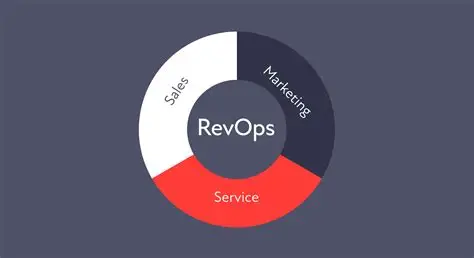
Revenue Operations (RevOps) has become one of the most important — and misunderstood — functions in modern organizations. It’s often described as “sales ops expanded,” but that definition undersells its impact. RevOps is not a tool, a department name, or a trend. It is an operating model designed to align people, processes, data, and technology around revenue.
This article provides a deep, end-to-end explanation of RevOps, what it is, why it exists, how it differs from traditional sales operations, and exactly how it relates to sales management in practice.
1. What Is RevOps (Revenue Operations)?
RevOps stands for Revenue Operations.
It is a cross-functional approach that aligns:
-
sales
-
marketing
-
customer success
-
revenue data and systems
…around a single goal: predictable, scalable revenue growth.
Instead of each department optimizing its own metrics, RevOps ensures the entire revenue engine operates as one system.
2. Why RevOps Exists
RevOps emerged as a response to a common problem:
Sales, marketing, and customer success were growing — but revenue was becoming harder to predict.
Organizations faced:
-
siloed teams
-
disconnected data
-
inconsistent reporting
-
poor forecasting accuracy
-
friction at handoff points
RevOps exists to remove friction from the revenue lifecycle.
3. The Revenue Lifecycle RevOps Manages
RevOps covers the entire customer journey:
-
lead generation
-
qualification
-
pipeline progression
-
deal closing
-
onboarding
-
retention
-
expansion
Sales management focuses on part of this journey.
RevOps ensures the entire journey works together.
4. RevOps vs Sales Operations (SalesOps)
This distinction is critical.
Sales Operations
-
supports sales teams
-
manages CRM
-
builds reports
-
helps with forecasting
-
optimizes sales processes
Revenue Operations
-
aligns sales, marketing, and customer success
-
owns end-to-end revenue data
-
standardizes metrics
-
optimizes the full funnel
-
improves predictability across teams
SalesOps is a subset of RevOps.
5. Why RevOps Is Critical to Modern Sales Management
Sales managers rely on:
-
clean data
-
accurate forecasts
-
consistent processes
-
fair territories and quotas
RevOps provides the infrastructure that makes effective sales management possible.
Without RevOps:
-
managers fight data fires
-
forecasts are unreliable
-
reps don’t trust systems
RevOps allows managers to manage, not troubleshoot.
6. Core Pillars of RevOps
RevOps typically focuses on four pillars:
-
Process
-
Data
-
Technology
-
People & Alignment
Each pillar directly impacts sales management effectiveness.
7. RevOps and Sales Process Design
RevOps helps define:
-
sales stages
-
qualification criteria
-
exit conditions
-
handoffs between teams
This gives sales managers:
-
clarity
-
consistency
-
repeatability
Managers can coach within a stable system.
8. RevOps and Forecasting Accuracy
One of RevOps’ biggest impacts is forecasting.
RevOps improves forecasting by:
-
standardizing pipeline stages
-
enforcing data hygiene
-
aligning definitions across teams
-
reducing manual reporting
Sales managers gain confidence in their numbers.
9. RevOps and Sales Metrics
RevOps defines and maintains:
-
pipeline coverage ratios
-
win rates
-
conversion benchmarks
-
sales velocity
-
quota attainment metrics
Managers use these metrics to:
-
identify risk early
-
coach effectively
-
allocate resources
Metrics stop being debated and start being trusted.
10. RevOps and CRM Ownership
RevOps often owns or governs the CRM.
This ensures:
-
consistent data entry
-
standardized fields
-
automation enforcement
-
reporting accuracy
Sales managers benefit from:
-
less admin chaos
-
more reliable insights
11. RevOps and Sales Manager Time Allocation
Without RevOps, managers spend time on:
-
fixing CRM issues
-
reconciling reports
-
resolving lead disputes
With RevOps, managers focus on:
-
coaching
-
performance management
-
strategy
RevOps protects managers’ most valuable resource: time.
12. RevOps and Sales-Marketing Alignment
Sales management depends heavily on lead quality.
RevOps:
-
defines MQL and SQL criteria
-
enforces lead SLAs
-
aligns lead scoring models
-
ensures clean handoffs
This reduces friction and improves close rates.
13. RevOps and Customer Success Alignment
Revenue doesn’t end at the close.
RevOps aligns sales with customer success by:
-
defining handoff processes
-
tracking retention and expansion metrics
-
aligning incentives
Sales managers gain visibility into:
-
churn risk
-
upsell opportunities
14. RevOps and Quota Setting
RevOps supports quota setting by:
-
analyzing historical performance
-
assessing territory potential
-
balancing fairness and ambition
Sales managers rely on RevOps data to set achievable, motivating targets.
15. RevOps and Territory Management
RevOps helps:
-
design territories
-
balance opportunity distribution
-
adjust territories as markets change
This reduces rep frustration and improves morale.
16. RevOps and Sales Compensation Alignment
Compensation plans must align with:
-
revenue goals
-
sales motion
-
retention strategy
RevOps ensures:
-
clean commission data
-
transparent reporting
-
alignment between pay and behavior
Managers avoid disputes and confusion.
17. RevOps and Sales Enablement
RevOps supports enablement by:
-
identifying skill gaps through data
-
surfacing stage-specific weaknesses
-
informing training priorities
Sales managers coach with precision, not guesswork.
18. RevOps and Scaling Sales Teams
As teams grow:
-
complexity increases
-
errors multiply
-
silos form
RevOps creates:
-
scalable processes
-
standardized reporting
-
consistent systems
Sales management becomes sustainable at scale.
19. RevOps Organizational Structure
RevOps may include:
-
sales operations
-
marketing operations
-
customer success operations
-
revenue analytics
Structure varies, but accountability is centralized.
20. Who Owns RevOps?
RevOps typically reports to:
-
CRO (Chief Revenue Officer)
-
COO
-
VP of Revenue
Centralized ownership ensures authority across teams.
21. RevOps and Data Governance
RevOps enforces:
-
metric definitions
-
reporting standards
-
dashboard consistency
Sales managers stop arguing about numbers and start acting on them.
22. RevOps and Technology Stack Optimization
RevOps evaluates:
-
CRM tools
-
marketing automation
-
analytics platforms
-
integration gaps
A clean stack supports sales execution.
23. RevOps KPIs That Matter to Sales Managers
Key RevOps metrics include:
-
pipeline coverage
-
forecast accuracy
-
lead-to-opportunity conversion
-
sales cycle length
-
revenue retention
Managers use these to manage proactively.
24. RevOps vs Micromanagement
RevOps does not mean more control — it means better systems.
Good RevOps:
-
reduces micromanagement
-
increases autonomy
-
improves trust
Clear systems free managers to lead.
25. Common Misconceptions About RevOps
❌ RevOps replaces sales managers
❌ RevOps is just reporting
❌ RevOps is only for large companies
In reality, RevOps supports managers and works at all scales.
26. RevOps for Startups
Startups benefit from RevOps by:
-
preventing early chaos
-
setting clean foundations
-
avoiding rework later
Even a “light” RevOps mindset pays off early.
27. RevOps for Enterprise Organizations
Enterprises need RevOps to:
-
manage complexity
-
align global teams
-
standardize reporting
Scale without RevOps becomes unmanageable.
28. How Sales Managers Should Work With RevOps
Sales managers should:
-
give feedback on processes
-
flag data issues early
-
collaborate on forecasting
-
trust shared dashboards
Partnership beats resistance.
29. The Future of Sales Management Is RevOps-Driven
Trends include:
-
AI forecasting
-
predictive pipeline analytics
-
automated performance insights
Sales management will become more data-driven, not less human.
30. Final Takeaway
RevOps is the operating system behind modern sales management.
It:
-
aligns teams
-
cleans data
-
stabilizes processes
-
improves predictability
Sales managers succeed when RevOps succeeds.
RevOps doesn’t replace leadership —
it removes friction so leadership can work.
- Arts
- Business
- Computers
- Игры
- Health
- Главная
- Kids and Teens
- Деньги
- News
- Personal Development
- Recreation
- Regional
- Reference
- Science
- Shopping
- Society
- Sports
- Бизнес
- Деньги
- Дом
- Досуг
- Здоровье
- Игры
- Искусство
- Источники информации
- Компьютеры
- Личное развитие
- Наука
- Новости и СМИ
- Общество
- Покупки
- Спорт
- Страны и регионы
- World

 English
 French
 Spanish
 Portuguese
 Deutsch
 Turkish
 Dutch
Dutch
 Italiano
 Arabic
 Romaian
 Portuguese (Brazil)
 Greek
Greek