
How Effective Is Advertising?
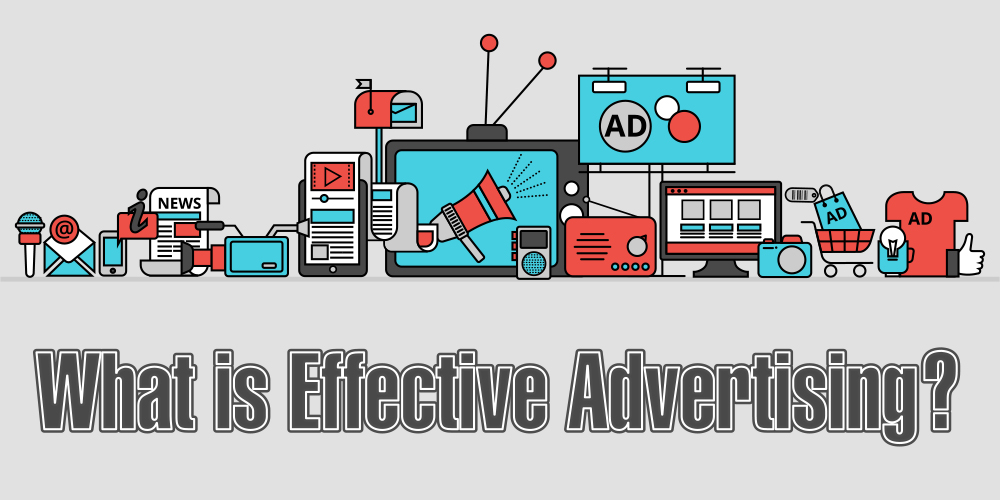
Advertising has existed for centuries, yet one question never disappears:
Does advertising really work?
The honest answer is: yes — but only when done correctly.
Advertising is neither magic nor a guarantee. It is a lever. When paired with the right strategy, product, and execution, advertising can drive massive growth. When misused, it becomes an expensive lesson.
This article explores how effective advertising really is, how to measure its impact, when it works best, when it fails, and how businesses can maximize results.
1. What Does “Effective Advertising” Actually Mean?
Advertising effectiveness depends on the goal.
Advertising can be effective if it:
-
increases brand awareness
-
drives qualified traffic
-
generates leads
-
produces sales
-
increases lifetime customer value
-
improves market share
Effectiveness is contextual. A campaign that fails to sell immediately may still succeed in building awareness or demand.
2. Advertising Effectiveness Is Not Universal
Advertising does not work equally for:
-
every business
-
every product
-
every audience
-
every platform
Factors that influence effectiveness include:
-
product-market fit
-
pricing
-
competition
-
timing
-
execution quality
Advertising amplifies reality — it doesn’t replace fundamentals.
3. The Core Question: Does Advertising Increase Sales?
In most cases, yes.
Well-executed advertising:
-
increases visibility
-
accelerates decision-making
-
captures existing demand
-
creates new demand over time
However:
-
poor offers fail
-
bad messaging fails
-
wrong targeting fails
Advertising doesn’t fix broken businesses.
4. Short-Term vs Long-Term Advertising Effectiveness
Short-Term Effects
-
immediate traffic
-
leads and conversions
-
promotional spikes
Long-Term Effects
-
brand recognition
-
trust
-
lower acquisition costs
-
repeat customers
The most effective advertisers balance both.
5. What the Data Says About Advertising Effectiveness
Multiple studies show:
-
brands that advertise consistently grow faster
-
strong brands pay less per conversion
-
repeated exposure increases conversion probability
Advertising works best when sustained, not sporadic.
6. Why Some People Say Advertising Doesn’t Work
Common reasons:
-
wrong audience
-
weak offer
-
poor creative
-
unrealistic expectations
-
no tracking
When advertising fails, the problem is usually strategy, not advertising itself.
7. Advertising Effectiveness by Platform
Search Ads
-
extremely effective for intent-driven purchases
-
captures existing demand
Social Media Ads
-
effective for discovery and awareness
-
strong retargeting performance
Video Ads
-
effective for education and branding
-
builds emotional connection
Display Ads
-
moderate direct conversions
-
strong for remarketing
Each platform works differently.
8. Measuring Advertising Effectiveness
You can’t judge effectiveness without measurement.
Key metrics include:
-
impressions
-
reach
-
CTR (click-through rate)
-
CPC
-
conversions
-
CPA
-
ROAS (return on ad spend)
Effectiveness = results relative to cost.
9. ROI: The Ultimate Measure
Advertising is effective if it:
-
generates more value than it costs
ROI can be:
-
direct (sales)
-
indirect (brand lift, retention)
Not all advertising pays off immediately — but it should eventually.
10. Brand Advertising vs Performance Advertising
Brand Advertising
-
builds awareness
-
improves perception
-
long-term payoff
Performance Advertising
-
focuses on conversions
-
measurable immediately
-
short-term results
The most effective strategies combine both.
11. Advertising Effectiveness for Small Businesses
Small businesses benefit when:
-
targeting is local
-
messaging is clear
-
offers are strong
Even small budgets can be effective with focus and relevance.
12. Advertising Effectiveness for Large Businesses
Large brands gain:
-
scale
-
market dominance
-
long-term brand equity
Effectiveness compounds with consistency.
13. Advertising Frequency Matters
One exposure rarely converts.
Research shows:
-
multiple exposures increase trust
-
familiarity improves response
Effective advertising often requires repetition.
14. Creative Quality and Effectiveness
Creative determines:
-
attention
-
engagement
-
memorability
Even perfect targeting fails with poor creative.
15. Advertising Fatigue and Diminishing Returns
Advertising becomes less effective when:
-
creatives don’t change
-
audiences are over-targeted
-
frequency is too high
Refreshing ads restores effectiveness.
16. The Role of Trust in Advertising
Advertising is more effective when:
-
the brand is credible
-
messaging is honest
-
proof is present (reviews, testimonials)
Trust multiplies conversion rates.
17. Advertising vs Word of Mouth
Advertising:
-
accelerates awareness
Word of mouth:
-
reinforces trust
The most effective advertising fuels conversations.
18. Advertising Effectiveness in Competitive Markets
In crowded markets:
-
differentiation matters
-
messaging matters more than budget
Creativity beats spending.
19. Can Advertising Fail Completely?
Yes — when:
-
there is no demand
-
the product is poor
-
pricing is unrealistic
Advertising cannot create value where none exists.
20. How Long Does It Take for Advertising to Be Effective?
Typical timeline:
-
1–2 weeks: data collection
-
3–4 weeks: optimization
-
1–3 months: predictable performance
Effectiveness improves over time.
21. Psychological Principles Behind Effective Advertising
Advertising works because it taps into:
-
attention
-
emotion
-
repetition
-
social proof
-
urgency
Understanding psychology improves results.
22. Advertising Effectiveness in the Digital Age
Digital advertising is more effective than ever because:
-
targeting is precise
-
data is real-time
-
optimization is continuous
But competition has increased.
23. Is Advertising Still Worth It Today?
Yes — but:
-
skill matters
-
strategy matters
-
patience matters
Advertising is not optional for growth-focused businesses.
24. How to Increase Advertising Effectiveness
To improve results:
-
clarify your offer
-
refine targeting
-
test creatives
-
track everything
-
optimize continuously
Effectiveness is built, not bought.
25. Final Verdict: How Effective Is Advertising?
Advertising is highly effective when:
-
paired with a strong product
-
guided by strategy
-
measured properly
It is ineffective when treated as a shortcut.
Advertising doesn’t guarantee success —
but without it, growth is slower and less predictable.
- Arts
- Business
- Computers
- Games
- Health
- Home
- Kids and Teens
- Money
- News
- Personal Development
- Recreation
- Regional
- Reference
- Science
- Shopping
- Society
- Sports
- Бизнес
- Деньги
- Дом
- Досуг
- Здоровье
- Игры
- Искусство
- Источники информации
- Компьютеры
- Личное развитие
- Наука
- Новости и СМИ
- Общество
- Покупки
- Спорт
- Страны и регионы
- World

 Russian
 French
 Spanish
 Portuguese
 Deutsch
 Turkish
 Dutch
Dutch
 Italiano
 Arabic
 Romaian
 Portuguese (Brazil)
 Greek
Greek