
What Are Advertising Objectives?
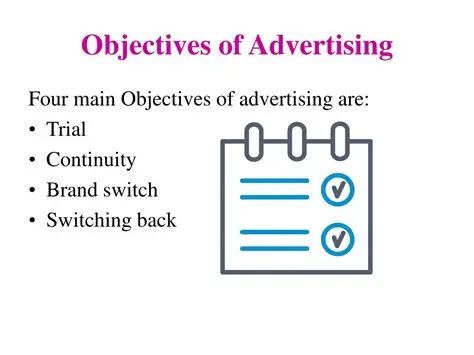
Advertising is not just about creating attractive visuals or catchy slogans. At its core, advertising is a strategic activity designed to achieve specific outcomes. These outcomes are known as advertising objectives. Without clear objectives, advertising campaigns lack direction, effectiveness, and measurable success.
Advertising objectives define what a brand wants to accomplish through its advertising efforts. They guide decisions about messaging, creative execution, audience targeting, media selection, and performance measurement. Whether a company wants people to recognize its name, evaluate its products, or make a purchase, each goal requires a different approach.
In modern marketing, advertising objectives are often organized into three main stages of the customer journey: awareness, consideration, and conversion. These stages reflect how consumers move from first learning about a brand to ultimately taking action.
This article explains what advertising objectives are, why they matter, and how awareness, consideration, and conversion goals function within a complete advertising strategy. It also explores how businesses align objectives with campaign tactics and measure success at each stage.
What Are Advertising Objectives?
Advertising objectives are the specific, measurable goals that an advertising campaign aims to achieve within a defined time period. They describe the intended impact of advertising on the target audience’s knowledge, attitudes, or behaviors.
Advertising objectives answer questions such as:
-
What should the audience think or feel after seeing the ad?
-
What action should the audience take?
-
How will success be measured?
Clear objectives help advertisers focus resources efficiently and avoid vague or unfocused campaigns. They also provide benchmarks for evaluating performance and improving future efforts.
Advertising objectives are typically aligned with broader business and marketing goals, such as increasing market share, launching a new product, or growing revenue.
Why Advertising Objectives Matter
Advertising objectives are essential for several reasons.
First, they provide strategic direction. Objectives determine the type of message, tone, creative style, and platform used in a campaign. An ad designed to build awareness looks very different from one designed to drive sales.
Second, objectives support effective measurement. Without defined goals, it is impossible to determine whether a campaign was successful. Objectives allow advertisers to choose appropriate metrics and evaluate results objectively.
Third, objectives ensure alignment across teams. Marketing teams, creative agencies, and media planners can work together more effectively when everyone understands the purpose of the campaign.
Finally, clear objectives help businesses optimize budgets by allocating resources to the most appropriate tactics for each stage of the customer journey.
The Advertising Funnel and Customer Journey
Advertising objectives are often organized using the concept of a funnel or journey. This framework illustrates how consumers move through different stages before making a decision.
The three most common stages are:
-
Awareness – The audience becomes aware of the brand or product
-
Consideration – The audience evaluates and compares options
-
Conversion – The audience takes a desired action
Not every consumer moves through these stages at the same pace, but the framework helps advertisers design campaigns that support each step.
Each stage requires different objectives, messaging strategies, and performance indicators.
Awareness Objectives
What Is Awareness Advertising?
Awareness advertising focuses on making people aware that a brand, product, or service exists. It is often the first point of contact between a brand and its potential audience.
At this stage, the audience may have little or no prior knowledge of the brand. The goal is not to sell immediately, but to introduce the brand and create recognition.
Awareness objectives are especially important for new brands, product launches, or businesses entering new markets.
Goals of Awareness Advertising
The main goals of awareness advertising include:
-
Increasing brand visibility
-
Building brand recognition
-
Establishing initial impressions
-
Reaching new audiences
Awareness advertising aims to place the brand in the consumer’s mind so it can be recalled later when a need arises.
Common Awareness Metrics
Because awareness advertising is not focused on immediate action, its success is measured using different metrics than conversion campaigns.
Common awareness metrics include:
-
Reach (how many people saw the ad)
-
Impressions (how often the ad was shown)
-
Brand recall and recognition
-
Ad recall lift
These metrics help advertisers understand how effectively their message reached and resonated with the audience.
Messaging and Creative for Awareness
Awareness ads typically use broad messaging that highlights brand identity, values, or purpose. They often rely on storytelling, emotion, and strong visuals.
The messaging is usually simple and memorable, focusing on who the brand is rather than what it sells.
Consistency is especially important at this stage, as repeated exposure helps reinforce recognition.
Consideration Objectives
What Is Consideration Advertising?
Consideration advertising targets audiences who are already aware of a brand and encourages them to learn more, compare options, or develop a preference.
At this stage, consumers are actively thinking about solutions to a problem or need. They may be researching, reading reviews, or exploring alternatives.
Consideration objectives aim to move the audience from awareness to interest and intent.
Goals of Consideration Advertising
The primary goals of consideration advertising include:
-
Increasing engagement with the brand
-
Educating consumers about benefits and features
-
Building credibility and trust
-
Differentiating the brand from competitors
Consideration advertising helps consumers understand why a brand is a good choice.
Common Consideration Metrics
Metrics used to measure consideration focus on engagement and interest rather than final actions.
Common consideration metrics include:
-
Click-through rate
-
Time spent on website or content
-
Video views and completion rates
-
Social media engagement
These indicators suggest that the audience is actively engaging with the brand’s message.
Messaging and Creative for Consideration
Consideration messaging provides more information than awareness ads. It may highlight product benefits, customer testimonials, use cases, or comparisons.
The tone is often informative and persuasive, addressing common questions or concerns.
Visuals and copy work together to explain value clearly without overwhelming the audience.
Conversion Objectives
What Is Conversion Advertising?
Conversion advertising focuses on encouraging the audience to take a specific action. This action may include making a purchase, signing up for a service, downloading an app, or requesting information.
At this stage, consumers are close to making a decision. Conversion advertising aims to remove remaining barriers and prompt action.
Goals of Conversion Advertising
The main goals of conversion advertising include:
-
Driving sales or leads
-
Increasing sign-ups or registrations
-
Generating revenue
-
Achieving measurable returns
Conversion objectives are closely tied to business outcomes.
Common Conversion Metrics
Conversion success is measured using performance-focused metrics such as:
-
Conversion rate
-
Cost per conversion
-
Return on ad spend
-
Revenue generated
These metrics provide clear insights into campaign effectiveness.
Messaging and Creative for Conversion
Conversion ads are highly focused and action-oriented. They include clear calls to action such as “Buy now,” “Sign up,” or “Get started.”
Messaging often emphasizes urgency, incentives, or reassurance, such as discounts, limited availability, or guarantees.
Clarity and simplicity are critical at this stage to reduce friction and encourage immediate action.
Aligning Objectives Across the Funnel
Effective advertising strategies align awareness, consideration, and conversion objectives into a cohesive system.
Rather than treating each stage separately, successful campaigns guide consumers smoothly from one stage to the next.
For example, awareness campaigns introduce the brand, consideration campaigns educate and engage, and conversion campaigns close the sale.
Alignment ensures consistent messaging and reinforces brand identity throughout the journey.
Choosing the Right Objective
Choosing the right advertising objective depends on several factors, including:
-
Business goals
-
Brand maturity
-
Audience familiarity
-
Budget and timeline
New brands often prioritize awareness, while established brands may focus more on conversion. However, most businesses benefit from supporting all three objectives simultaneously.
Challenges in Setting Advertising Objectives
One challenge is setting objectives that are too vague or unrealistic. Clear, specific, and measurable objectives are essential.
Another challenge is misalignment between objectives and tactics, such as using awareness-style messaging in conversion campaigns.
Regular evaluation and adjustment help ensure objectives remain relevant and achievable.
The Role of Data and Optimization
Data plays a critical role in refining advertising objectives. Performance insights help advertisers identify which stage needs more support and adjust strategies accordingly.
Continuous testing and optimization improve results across all stages of the funnel.
Conclusion
Advertising objectives provide the foundation for effective advertising campaigns. By defining clear goals for awareness, consideration, and conversion, advertisers can design strategies that align with the customer journey and business priorities.
Awareness objectives build recognition and visibility. Consideration objectives foster interest and trust. Conversion objectives drive action and measurable results.
When these objectives work together, advertising becomes more strategic, efficient, and impactful. In an increasingly competitive advertising environment, clarity of purpose is what separates successful campaigns from ineffective ones.
- Arts
- Business
- Computers
- Games
- Health
- Home
- Kids and Teens
- Money
- News
- Personal Development
- Recreation
- Regional
- Reference
- Science
- Shopping
- Society
- Sports
- Бизнес
- Деньги
- Дом
- Досуг
- Здоровье
- Игры
- Искусство
- Источники информации
- Компьютеры
- Личное развитие
- Наука
- Новости и СМИ
- Общество
- Покупки
- Спорт
- Страны и регионы
- World

 Russian
 French
 Spanish
 Portuguese
 Deutsch
 Turkish
 Dutch
Dutch
 Italiano
 Arabic
 Romaian
 Portuguese (Brazil)
 Greek
Greek