
What Books or Biographies Are Written by Advertising Legends?
Advertising is an industry built on ideas, persuasion, and storytelling—so it is no surprise that many of its greatest figures turned to writing to document their philosophies, careers, and lessons. Over the past century, advertising legends have written books that go far beyond career memoirs. These works have shaped how advertising is practiced, taught, and understood across generations.
Books written by advertising legends serve multiple purposes. They preserve industry history, explain creative and strategic principles, offer candid reflections on success and failure, and provide guidance for future professionals. Many of these books are considered foundational texts, studied in universities and referenced in agencies worldwide.
This article explores the most important books and biographies written by advertising legends, examining why they were written, what they teach, and how they continue to influence modern advertising and marketing.
Why Advertising Legends Write Books
Advertising is often ephemeral—campaigns appear, run briefly, and disappear. Writing allows advertisers to capture ideas that outlast individual ads.
Advertising legends write books to:
-
Codify their philosophies
-
Share lessons learned through experience
-
Influence future generations
-
Reflect on industry change
-
Establish ethical and creative standards
These books turn personal careers into shared knowledge.
Types of Books Written by Advertising Legends
Advertising books written by industry leaders generally fall into several categories.
Autobiographies and Memoirs
These books tell personal stories of advertising careers, often revealing behind-the-scenes insights into agencies, clients, and creative struggles.
They are subjective but deeply human, offering perspective on leadership and creativity.
Philosophy and How-To Books
Some advertising legends wrote instructional books that outline principles, frameworks, and best practices.
These books often serve as textbooks for advertising education.
Cultural and Industry Critiques
A number of advertisers used writing to critique the industry, challenge norms, and comment on advertising’s role in society.
These works are reflective and sometimes controversial.
David Ogilvy: The Most Influential Advertising Author
David Ogilvy is arguably the most influential advertising author in history. His books transformed advertising knowledge into a structured discipline.
Confessions of an Advertising Man
This book is one of the most widely read advertising texts ever written. It combines autobiography with practical advice on copywriting, management, and creativity.
Ogilvy outlines clear rules for effective advertising while sharing personal anecdotes that humanize the profession.
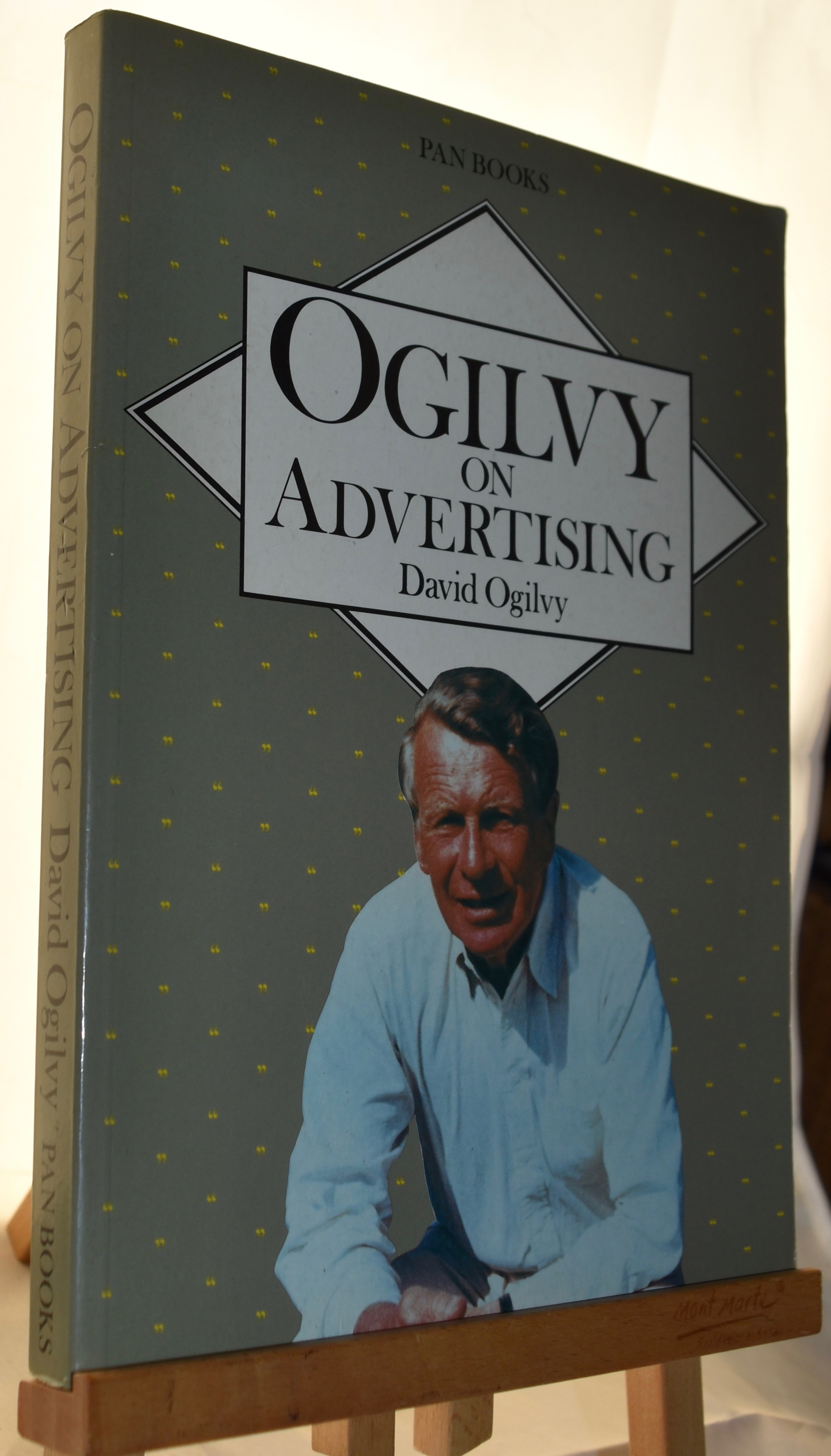
Ogilvy on Advertising
Written later in his career, this book distills Ogilvy’s philosophy into actionable principles. It covers research, branding, copywriting, and global advertising.
It remains required reading for advertising professionals worldwide.
Bill Bernbach and the Creative Revolution in Writing
Bill Bernbach himself wrote less than some peers, but his ideas were preserved through speeches, essays, and collections of agency philosophy.
Books documenting his work emphasize:
-
Creativity as a strategic force
-
Emotional honesty in advertising
-
The power of originality
Bernbach’s influence lives through compilations and analyses of his thinking.
Leo Burnett: Human-Centered Advertising in Print
Leo Burnett’s written legacy reflects his belief in simplicity and human truth.
Books about Burnett’s philosophy explore:
-
Brand personality
-
Storytelling and symbolism
-
Emotional connection
His ideas are often presented through speeches, essays, and posthumous collections rather than traditional memoirs.
Claude Hopkins: The Science of Advertising
Claude Hopkins authored one of the earliest and most influential advertising books.
Scientific Advertising
This book introduced the idea that advertising should be tested, measured, and accountable. Hopkins emphasized data, research, and experimentation.
Though written long ago, its principles influence modern performance marketing and A/B testing.
Rosser Reeves: Defining the Unique Selling Proposition
Rosser Reeves wrote extensively about advertising strategy.
Reality in Advertising
This book introduced the concept of the Unique Selling Proposition (USP)—the idea that effective advertising focuses on a single, compelling benefit.
Reeves’ writing shaped mid-century advertising strategy and continues to influence positioning and messaging.
Mary Wells Lawrence: Leadership and Creativity
Mary Wells Lawrence’s writings reflect her groundbreaking role in advertising leadership.
Her books explore:
-
Creativity as leadership
-
Agency culture
-
Breaking conventions
Her work offers perspective on gender, creativity, and confidence in advertising.
George Lois: Provocation and Cultural Commentary
George Lois authored bold, opinionated books that reflect his confrontational style.
Damn Good Advice
This book blends memoir, creative philosophy, and cultural critique. Lois challenges complacency and urges creative courage.
His writing is as provocative as his advertising.
Howard Gossage: Essays and Ideas Ahead of Their Time
Howard Gossage’s ideas are preserved through collections of essays and commentary.
His writing explores:
-
Advertising as conversation
-
Audience participation
-
Media innovation
Many of his ideas anticipated digital and social media advertising.
Modern Advertising Legends and Their Books
Later generations of advertising leaders also contributed important texts.
Phil Dusenberry
Dusenberry wrote about emotional branding and storytelling, emphasizing how feelings drive brand loyalty.
John Hegarty
Hegarty’s books focus on simplicity, creative courage, and long-term brand thinking. His writing reflects modern agency leadership challenges.
Dan Wieden
While less prolific as an author, Wieden’s speeches and essays are frequently compiled and studied for their insights into brand purpose and authenticity.
Biographies Written About Advertising Legends
In addition to self-authored books, many advertising legends are the subjects of biographies written by journalists and historians.
These biographies provide:
-
Greater objectivity
-
Historical context
-
Cultural analysis
They help place individual careers within broader industry movements.
Why These Books Still Matter Today
Despite changes in technology and media, books by advertising legends remain relevant.
They address timeless questions:
-
How do people make decisions?
-
What makes communication persuasive?
-
How do creativity and business coexist?
-
What responsibilities do advertisers have?
Modern platforms change execution, not fundamentals.
Advertising Books as Educational Tools
Advertising schools and training programs frequently rely on these books.
They help students:
-
Understand industry history
-
Learn creative principles
-
Develop strategic thinking
-
Appreciate ethical considerations
Books provide depth that short-form content cannot.
Criticism and Contextual Reading
Some advertising books reflect the cultural norms of their time. Modern readers may critique:
-
Representation and diversity
-
Ethical assumptions
-
Industry power dynamics
Reading these works critically enhances understanding rather than diminishing their value.
How Advertising Writing Shapes Industry Culture
Writing allows ideas to spread beyond individual agencies. Books create shared language, standards, and debates.
Advertising legends shaped culture not just through ads, but through words.
Choosing Which Advertising Books to Read
For readers interested in advertising, different books serve different purposes:
-
Beginners benefit from foundational texts
-
Creatives gain inspiration from memoirs
-
Leaders learn from management-focused writing
-
Strategists explore research-driven books
Together, these works form a comprehensive library.
The Enduring Influence of Advertising Literature
Advertising books endure because they capture the thinking behind the work. Campaigns fade, but ideas persist.
These texts connect generations of advertisers through shared principles and stories.
Conclusion
Books and biographies written by advertising legends are among the most important resources in the industry. They preserve history, articulate philosophy, and pass hard-earned wisdom to future generations.
From David Ogilvy’s disciplined clarity to Claude Hopkins’ scientific rigor and George Lois’ creative rebellion, these works reflect the diversity and depth of advertising thought.
In an industry driven by ideas, these books ensure that the thinkers behind the messages are remembered—and that their lessons continue to shape advertising’s future.
- Arts
- Business
- Computers
- Games
- Health
- Home
- Kids and Teens
- Money
- News
- Personal Development
- Recreation
- Regional
- Reference
- Science
- Shopping
- Society
- Sports
- Бизнес
- Деньги
- Дом
- Досуг
- Здоровье
- Игры
- Искусство
- Источники информации
- Компьютеры
- Личное развитие
- Наука
- Новости и СМИ
- Общество
- Покупки
- Спорт
- Страны и регионы
- World

 Russian
 French
 Spanish
 Portuguese
 Deutsch
 Turkish
 Dutch
Dutch
 Italiano
 Arabic
 Romaian
 Portuguese (Brazil)
 Greek
Greek