
Where Should a Billboard Be Placed for Best Results?
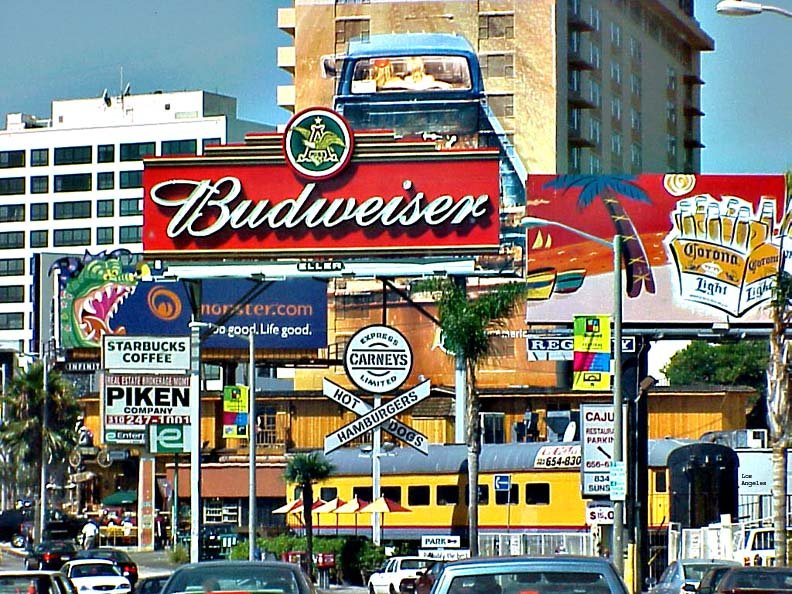
Billboard advertising success depends more on where an ad is placed than on almost any other factor. Even the most creative billboard design will underperform if it is positioned in the wrong location. Conversely, a simple message placed in a high-visibility, high-relevance area can outperform expectations.
Unlike digital advertising, where ads can be served instantly to specific audiences, billboard advertising is rooted in physical geography. Location determines who sees the ad, how often they see it, and whether the message reaches the right audience at the right moment.
This article explains how to choose the best billboard location by examining traffic patterns, audience behavior, visibility factors, and strategic placement principles that drive effective outdoor advertising.
Why Billboard Location Is Critical
Location defines:
-
Audience composition
-
Exposure frequency
-
Message relevance
Placement is strategy in physical form.
The Core Principle: Right Audience, Right Place
The best billboard locations are not always the busiest.
The goal is:
-
Audience alignment
-
Contextual relevance
-
Consistent exposure
Volume alone is not enough.
Understanding Traffic Count
Traffic count measures:
-
Number of vehicles passing a location daily
-
Average daily traffic (ADT)
Higher traffic usually means more impressions.
High Traffic vs High Relevance
A location with lower traffic can outperform a busy road if:
-
The audience matches the target market
-
Exposure is more frequent
Relevance often beats raw volume.
Highway Billboards: Pros and Cons
Advantages
-
Massive reach
-
High daily impressions
-
Regional exposure
Limitations
-
Short viewing time
-
Broad audience
Highways are ideal for awareness campaigns.
Urban Billboards: Pros and Cons
Advantages
-
Longer exposure time
-
Pedestrian traffic
-
Higher message retention
Limitations
-
Lower traffic volume
-
Visual clutter
Urban placements reward simplicity and clarity.
Commuter Routes and Daily Exposure
Billboards along commuter routes:
-
Generate high frequency
-
Build strong recall
-
Reach consistent audiences
Repetition drives memorability.
Proximity to Point of Sale
Billboards near:
-
Retail stores
-
Restaurants
-
Service locations
Can influence immediate action.
Direction of Travel Matters
Billboards should align with:
-
Traffic flow
-
Driver line of sight
Wrong-side placement reduces effectiveness.
Visibility and Line of Sight
Good visibility requires:
-
Clear viewing angle
-
Minimal obstructions
-
Adequate distance
Visibility is non-negotiable.
Height and Elevation Considerations
Higher placement:
-
Increases visibility range
-
Reduces obstructions
But overly high placements can reduce readability.
Reading Time and Speed of Traffic
Traffic speed affects:
-
Message length
-
Font size
-
Visual simplicity
Faster traffic requires simpler messaging.
Intersections and Traffic Signals
Billboards near stoplights:
-
Benefit from longer dwell time
-
Allow better message processing
They are premium placements.
Avoiding Visual Clutter
Too many nearby signs reduce impact.
Avoid locations with:
-
Competing billboards
-
Excessive signage
-
Complex backgrounds
Clarity improves recall.
Angle and Orientation of the Billboard
Angle matters.
Billboards should:
-
Face oncoming traffic
-
Avoid extreme angles
Orientation affects legibility.
Lighting and Night Visibility
Good lighting ensures:
-
24-hour exposure
-
Consistent visibility
Digital billboards excel at night.
Seasonal Visibility Issues
Consider:
-
Tree foliage
-
Weather conditions
-
Seasonal obstructions
Visibility can change throughout the year.
Audience Context and Mindset
Context affects message receptivity.
Examples:
-
Morning commute → efficiency messaging
-
Evening commute → entertainment messaging
Placement should match mindset.
Matching Billboard Location to Industry
Different industries benefit from different placements.
For example:
-
Legal services → commuter routes
-
Retail → near shopping areas
-
Tourism → gateways and highways
Industry context matters.
Local vs Regional Placement Strategy
Local campaigns focus on:
-
Neighborhood relevance
-
Proximity
Regional campaigns prioritize:
-
Reach
-
Major highways
Scale changes strategy.
Competitive Considerations
Placement near competitors can:
-
Increase visibility
-
Reinforce category presence
But may dilute differentiation.
Using Multiple Locations for Coverage
Multiple placements can:
-
Increase frequency
-
Reinforce messaging
-
Cover key routes
Coverage beats singular exposure.
The Role of Data in Location Selection
Modern planning uses:
-
Traffic analytics
-
Demographic modeling
-
Mobile location data
Data improves precision.
Evaluating Impressions by Location
Compare:
-
Impressions per location
-
Cost per impression
-
Audience relevance
Value matters more than raw numbers.
Physical Inspection of Locations
Always view locations in person or via photos.
Check:
-
Sightlines
-
Obstructions
-
Surroundings
Data alone is not enough.
Digital Billboards and Location Flexibility
Digital billboards:
-
Allow time-based targeting
-
Can serve different messages
But location still defines audience.
Zoning Laws and Placement Restrictions
Local regulations affect:
-
Where billboards can be placed
-
Size and orientation
Compliance shapes availability.
Urban Density vs Suburban Sprawl
Urban density offers:
-
High concentration
-
Longer exposure
Suburban sprawl offers:
-
Commuter consistency
-
Predictable patterns
Both have value.
Gateway Locations
Gateway billboards appear:
-
At city entrances
-
Near airports
They signal arrival and authority.
Tourist Area Placements
Tourist-focused locations:
-
Reach non-residents
-
Support hospitality and entertainment
Message timing is critical.
The Impact of Surrounding Environment
Environment influences perception.
Examples:
-
Upscale areas → premium messaging
-
Industrial zones → functional messaging
Context shapes tone.
Cost vs Placement Quality
Cheaper placements may:
-
Have poor visibility
-
Deliver irrelevant audiences
Quality placement justifies cost.
Negotiating for Better Locations
Advertisers can:
-
Request alternative inventory
-
Bundle locations
-
Negotiate remnant space
Flexibility improves outcomes.
Testing and Optimizing Placement
Test by:
-
Running in select locations
-
Measuring lift
-
Expanding successful placements
Optimization improves efficiency.
Common Billboard Placement Mistakes
Avoid:
-
Choosing based on cost alone
-
Ignoring traffic direction
-
Overlooking visibility issues
Placement errors are costly.
Aligning Placement With Campaign Goals
Placement should support:
-
Awareness goals
-
Sales goals
-
Geographic focus
Strategy drives placement.
The Long-Term Value of Prime Locations
Premium locations:
-
Deliver consistent exposure
-
Build strong recall
-
Command higher rates
They often outperform cheaper alternatives.
Conclusion
Billboard placement is the foundation of outdoor advertising effectiveness. The best locations balance traffic volume, audience relevance, visibility, and contextual alignment with campaign goals. While high-traffic roads generate large impression numbers, relevance, repetition, and sightline quality ultimately determine success.
By analyzing traffic patterns, understanding audience behavior, and carefully evaluating visibility factors, advertisers can choose billboard placements that maximize impact and return on investment. In billboard advertising, where you advertise is just as important as what you say.
- Arts
- Business
- Computers
- Spellen
- Health
- Home
- Kids and Teens
- Money
- News
- Personal Development
- Recreation
- Regional
- Reference
- Science
- Shopping
- Society
- Sports
- Бизнес
- Деньги
- Дом
- Досуг
- Здоровье
- Игры
- Искусство
- Источники информации
- Компьютеры
- Личное развитие
- Наука
- Новости и СМИ
- Общество
- Покупки
- Спорт
- Страны и регионы
- World

 English
 Russian
 French
 Spanish
 Portuguese
 Deutsch
 Turkish
 Italiano
 Arabic
 Romaian
 Portuguese (Brazil)
 Greek
Greek