
What Size Are Billboards?
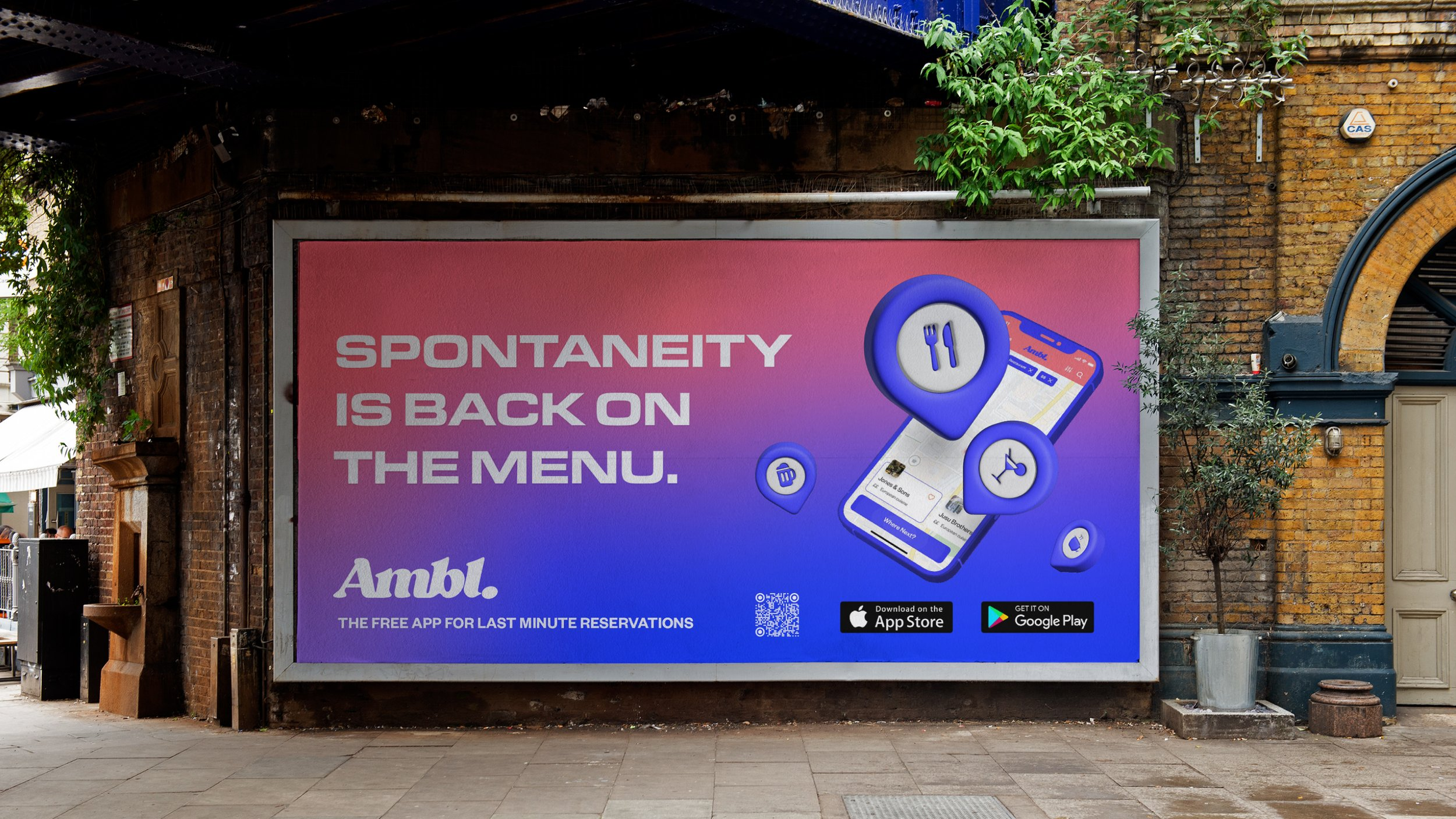
One of the most overlooked aspects of billboard advertising is size. While many advertisers focus on creative messaging and location, the physical dimensions of a billboard play a critical role in how effectively that message is seen, read, and remembered. Billboard size influences visibility, viewing distance, creative design, and ultimately campaign performance.
Unlike digital ads with standardized screen sizes, billboards come in a wide range of formats. From massive highway bulletins to compact urban posters and digital displays, each billboard size is designed for a specific viewing environment. Choosing the wrong size can lead to poor readability and wasted impressions, while selecting the right size enhances clarity and impact.
This article explains the most common billboard sizes, how dimensions vary by format, and how advertisers should choose the right billboard size for their campaign goals.
Why Billboard Size Matters
Billboard size affects:
-
Visibility distance
-
Readability
-
Message simplicity
-
Creative constraints
Size determines how much information can be communicated.
Billboard Sizes Are Not Universal
There is no single standard size worldwide.
Dimensions vary based on:
-
Country
-
Region
-
Media owner
-
Location type
However, common formats exist.
The Most Common Billboard Size Categories
Billboards generally fall into:
-
Bulletins
-
Posters
-
Digital billboards
-
Junior and specialty formats
Each category has typical dimensions.
Bulletin Billboards
What Is a Billboard Bulletin?
Bulletins are the largest and most visible billboard format. They are typically found along highways and major roads where traffic moves at high speeds.
They are designed for long-distance viewing.
Standard Bulletin Dimensions
Common bulletin sizes include:
-
Approximately 14 feet high by 48 feet wide
-
Other variations depending on location
These large dimensions support bold, simple messaging.
Why Bulletins Are So Large
Bulletins must:
-
Be visible from far away
-
Compete with the surrounding environment
-
Communicate quickly
Scale ensures readability.
Best Use Cases for Bulletin Sizes
Bulletins are ideal for:
-
Brand awareness campaigns
-
Regional or national advertising
-
Simple, iconic visuals
They command attention.
Poster Billboards
What Is a Poster Billboard?
Posters are smaller than bulletins and are often placed closer to streets or in urban environments. They are sometimes called “junior posters.”
They prioritize proximity over distance.
Standard Poster Dimensions
Common poster sizes include:
-
Approximately 10.5 feet by 22.8 feet
-
Other smaller variations
These dimensions suit slower traffic.
Why Posters Work in Urban Areas
Posters benefit from:
-
Closer viewing distance
-
Longer dwell time
-
Pedestrian traffic
They allow slightly more detail than bulletins.
Best Use Cases for Poster Sizes
Posters work well for:
-
Local businesses
-
Neighborhood advertising
-
Retail and services
They offer cost efficiency.
Digital Billboard Sizes
Are Digital Billboards a Standard Size?
Digital billboards vary more in size.
They often follow:
-
Bulletin-like dimensions
-
Custom configurations
Screen size depends on location.
Common Digital Billboard Dimensions
Many digital billboards approximate:
-
Bulletin dimensions
-
Slightly smaller or custom ratios
Digital format affects creative design.
Aspect Ratios and Resolution
Digital billboards use:
-
Wide aspect ratios
-
Lower pixel density
Resolution is optimized for distance viewing.
How Size Affects Digital Billboard Creative
Digital creative must:
-
Use large fonts
-
Avoid small details
-
Emphasize contrast
Short exposure requires clarity.
Junior Posters and Small-Format Billboards
What Are Junior Posters?
Junior posters are smaller than standard posters.
They are used in:
-
Residential areas
-
Secondary roads
-
Neighborhood zones
They emphasize frequency over size.
Typical Junior Poster Dimensions
Dimensions vary but are noticeably smaller.
They are:
-
Easier to place
-
Lower cost
Visibility relies on proximity.
Wallscapes and Building Wraps
What Are Wallscapes?
Wallscapes are large-format advertisements displayed on the sides of buildings.
They can exceed standard billboard sizes.
Size Variability of Wallscapes
Wallscapes are:
-
Custom-sized
-
Dependent on building dimensions
They offer dramatic impact.
When Size Becomes the Message
Wallscapes use size to:
-
Create spectacle
-
Dominate visual space
They are premium placements.
Mobile Billboard Sizes
How Big Are Mobile Billboards?
Mobile billboards vary based on:
-
Vehicle type
-
Trailer size
They are smaller than bulletins but closer to viewers.
Size vs Mobility Tradeoff
Mobile billboards trade:
-
Scale for movement
-
Distance for proximity
Movement increases attention.
How Viewing Distance Determines Billboard Size
Size should match:
-
Viewing distance
-
Traffic speed
Long distances require larger formats.
Font Size and Readability Rules
A common rule:
-
One inch of letter height per 10 feet of viewing distance
This helps determine minimum size.
How Much Text Fits on Each Billboard Size
Larger billboards still require simplicity.
Typical guidelines:
-
Bulletins: 6–8 words
-
Posters: slightly more if traffic is slow
Less text equals better recall.
Size and Cost Relationship
Larger billboards:
-
Cost more
-
Deliver more impressions
-
Require bolder creative
Budget influences size choice.
Digital vs Static Size Considerations
Digital billboards:
-
Share space among advertisers
-
Require even simpler creative
Static billboards offer full-time presence.
Choosing the Right Billboard Size for Your Campaign
Consider:
-
Budget
-
Location
-
Traffic speed
-
Message complexity
Size should support clarity.
Matching Size to Campaign Goals
For example:
-
Brand awareness → large bulletins
-
Local promotion → posters
-
Event marketing → digital or mobile
Goals determine format.
Combining Different Sizes in One Campaign
Multi-size strategies:
-
Increase frequency
-
Expand coverage
-
Reinforce messaging
Consistency matters across sizes.
Common Mistakes With Billboard Sizes
Avoid:
-
Overcrowding small formats
-
Underutilizing large formats
-
Ignoring viewing distance
Size misuse reduces effectiveness.
Creative Scaling Across Billboard Sizes
Creative should be:
-
Adapted, not simply resized
-
Optimized for each format
One design rarely fits all sizes.
Regulations That Affect Billboard Size
Local laws regulate:
-
Maximum dimensions
-
Height
-
Placement
Availability depends on zoning.
The Role of Size in Visual Impact
Bigger is not always better.
Impact depends on:
-
Contrast
-
Message clarity
-
Placement quality
Size supports, not replaces strategy.
How Media Owners Classify Billboard Sizes
Media owners group sizes by:
-
Bulletin
-
Poster
-
Digital
-
Specialty
These categories simplify planning.
Future Trends in Billboard Sizing
Trends include:
-
More digital flexibility
-
Custom-sized displays
-
Integrated architectural placements
Formats continue to evolve.
Conclusion
Billboard sizes are designed to match viewing environments, traffic conditions, and audience behavior. From massive highway bulletins to compact urban posters and flexible digital displays, each size serves a specific purpose. Choosing the right billboard size ensures that your message is readable, memorable, and effective.
Advertisers who understand billboard dimensions—and how they relate to distance, speed, and message complexity—are better equipped to design creative that performs. In billboard advertising, size is not just a physical measurement; it is a strategic decision that directly impacts results.
- Arts
- Business
- Computers
- Juegos
- Health
- Home
- Kids and Teens
- Money
- News
- Personal Development
- Recreation
- Regional
- Reference
- Science
- Shopping
- Society
- Sports
- Бизнес
- Деньги
- Дом
- Досуг
- Здоровье
- Игры
- Искусство
- Источники информации
- Компьютеры
- Личное развитие
- Наука
- Новости и СМИ
- Общество
- Покупки
- Спорт
- Страны и регионы
- World

 English
 Russian
 French
 Portuguese
 Deutsch
 Turkish
 Dutch
Dutch
 Italiano
 Arabic
 Romaian
 Portuguese (Brazil)
 Greek
Greek