
What Makes a Billboard Memorable?
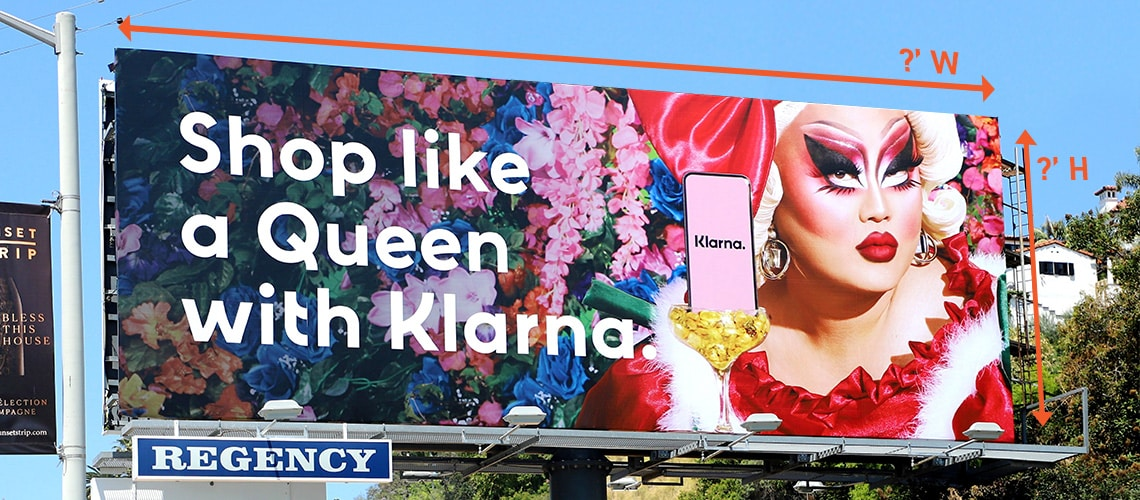
Thousands of billboards line highways, streets, and city centers, yet only a small fraction are remembered. Most drivers pass dozens of billboards every day, but only a few messages leave a lasting impression. This raises an important question for advertisers: what makes a billboard memorable?
Memorable billboards do not rely on long copy or complex ideas. Instead, they combine creativity, simplicity, and strategic design to capture attention in seconds. This article explores the psychological, creative, and practical factors that determine whether a billboard sticks in people’s minds.
The Reality of Billboard Attention
How Much Time Do People Have to See a Billboard?
On average:
-
Drivers view a billboard for 3 to 7 seconds
-
Pedestrians may have slightly more time
This short window shapes everything about billboard design.
The Implications for Memory
Because exposure time is brief:
-
Messages must be instantly understandable
-
Visual impact is critical
Complex ideas fail in this format.
The Psychology Behind Memorable Billboards
How Memory Works in Advertising
Memorable advertising relies on:
-
Recognition over recall
-
Emotional triggers
-
Repetition
Billboards excel at recognition-based memory.
The Role of Emotion
Emotional responses—such as humor, surprise, or curiosity—make messages:
-
Easier to remember
-
More likely to be discussed
Emotion amplifies memorability.
Simplicity: The Foundation of Memorability
Why Simple Billboards Work Better
Simple billboards:
-
Are processed faster
-
Reduce cognitive load
-
Increase comprehension
Clutter weakens impact.
The “Three-Second Rule”
A good billboard should be:
-
Read
-
Understood
-
Remembered
In under three seconds.
Visual Hierarchy and Focus
One Core Idea
Memorable billboards focus on:
-
One message
-
One image
-
One brand
Multiple ideas dilute recall.
Dominant Visual Elements
Strong visuals:
-
Guide the viewer’s eye
-
Communicate instantly
The image often matters more than text.
Creativity That Serves the Message
Creativity vs Complexity
Creativity should:
-
Clarify the message
-
Enhance understanding
Not confuse or distract.
Cleverness That Works
Clever billboards:
-
Use visual metaphors
-
Employ wordplay sparingly
They reward attention without effort.
The Role of Typography
Readability at a Distance
Fonts must be:
-
Large
-
Bold
-
Simple
Decorative fonts reduce legibility.
Contrast and Spacing
Good typography relies on:
-
High contrast
-
Generous spacing
This improves quick reading.
Color Psychology and Impact
Color Choices That Stand Out
Effective billboards use:
-
High-contrast color combinations
-
Limited color palettes
Too many colors reduce clarity.
Emotional Associations of Color
Colors trigger:
-
Energy (red, orange)
-
Trust (blue)
-
Urgency (yellow)
Color reinforces the message.
Brand Recognition and Consistency
Clear Branding Is Essential
Memorable billboards:
-
Feature the brand clearly
-
Use consistent logos and colors
Brand confusion undermines effectiveness.
Familiarity Builds Memory
Repeated exposure:
-
Strengthens recognition
-
Builds trust
Consistency over time matters.
The Power of White Space
Why Empty Space Matters
White space:
-
Draws attention to key elements
-
Reduces visual noise
Less content equals more focus.
Avoiding Overcrowding
Overcrowded billboards:
-
Slow comprehension
-
Reduce recall
Simplicity wins.
Message Clarity and Language
Short, Direct Language
Memorable billboards use:
-
Few words
-
Simple phrasing
Eight words or fewer is ideal.
Avoiding Jargon
Plain language:
-
Reaches broader audiences
-
Improves understanding
Clarity beats cleverness.
Location and Context Matter
Environmental Fit
Billboards that:
-
Match their surroundings
-
React to location
Are more noticeable and relevant.
Contextual Creativity
Context-aware billboards:
-
Use nearby landmarks
-
Reference local culture
This increases relatability.
Humor and Surprise
Humor as a Memory Trigger
Humorous billboards:
-
Create positive associations
-
Increase sharing and discussion
But humor must be relevant.
The Element of Surprise
Unexpected visuals:
-
Break pattern recognition
-
Grab attention instantly
Surprise increases recall.
Repetition and Frequency
Why Repetition Works
Seeing the same message repeatedly:
-
Reinforces memory
-
Builds familiarity
Billboards benefit from daily exposure.
Campaign Duration Matters
Short campaigns:
-
Limit memorability
Longer runs improve recall.
What Makes Digital Billboards Memorable
Motion Without Distraction
Digital billboards succeed when:
-
Motion is minimal
-
Transitions are smooth
Excess motion reduces readability.
Timely and Relevant Messaging
Time-based messaging:
-
Feels personalized
-
Increases relevance
Relevance boosts memory.
Common Reasons Billboards Fail
Avoid:
-
Too much text
-
Weak contrast
-
Unclear branding
-
Multiple calls to action
Failure often comes from overthinking.
Measuring Billboard Memorability
Brand Recall Studies
Advertisers measure:
-
Unaided recall
-
Brand recognition
Surveys provide insights.
Indirect Indicators
Memorable billboards often lead to:
-
Increased searches
-
Word-of-mouth mentions
These signals matter.
Examples of Memorable Billboard Traits
Successful billboards typically:
-
Focus on one idea
-
Use strong imagery
-
Communicate instantly
These principles are universal.
The Balance Between Art and Function
Memorable billboards:
-
Look creative
-
Serve a clear purpose
Art should support communication.
Designing for Human Attention
Understanding human attention:
-
Short
-
Selective
-
Emotion-driven
Guides effective billboard design.
Long-Term Brand Impact
Memorable billboards:
-
Build brand equity
-
Increase trust
-
Improve top-of-mind awareness
Their value extends beyond immediate response.
Conclusion
A memorable billboard is not defined by how much it says, but by how quickly and clearly it communicates one strong idea. Through simplicity, creativity, emotional resonance, and strong visual design, billboards can break through visual clutter and stay in the audience’s mind long after they’ve passed by.
In an environment where attention is scarce, the most memorable billboards are those that respect the viewer’s time while delivering a message that feels effortless to understand and hard to forget.
- Arts
- Business
- Computers
- Jogos
- Health
- Início
- Kids and Teens
- Money
- News
- Personal Development
- Recreation
- Regional
- Reference
- Science
- Shopping
- Society
- Sports
- Бизнес
- Деньги
- Дом
- Досуг
- Здоровье
- Игры
- Искусство
- Источники информации
- Компьютеры
- Личное развитие
- Наука
- Новости и СМИ
- Общество
- Покупки
- Спорт
- Страны и регионы
- World

 English
 Russian
 French
 Spanish
 Portuguese
 Deutsch
 Turkish
 Dutch
Dutch
 Italiano
 Arabic
 Romaian
 Greek
Greek
