
How Does Content Marketing Support Customer Acquisition?
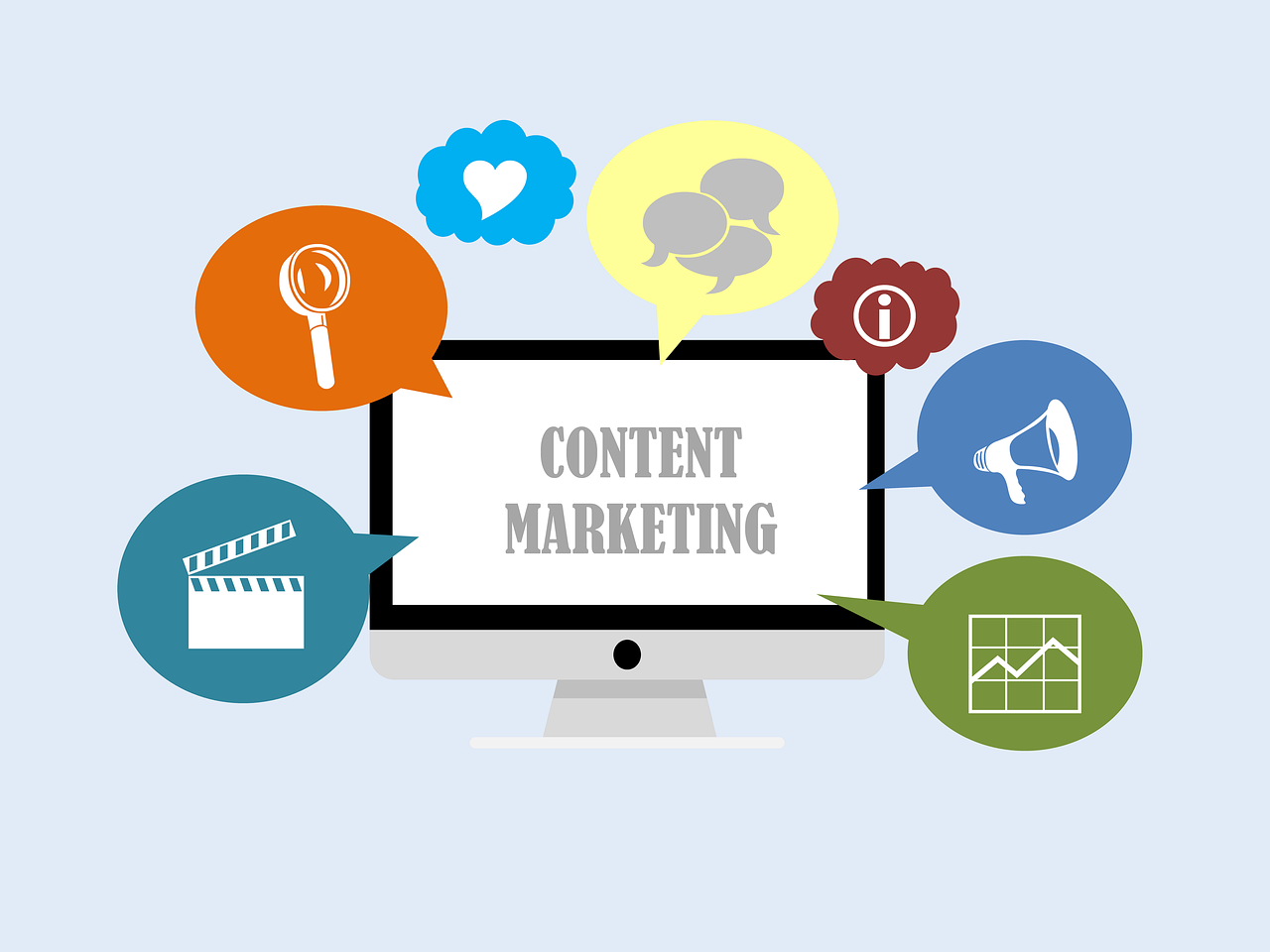
Content marketing is one of the most powerful and sustainable tools for customer acquisition. Unlike paid advertising, which stops the moment budgets are paused, content marketing builds long-term assets that continuously attract, educate, and convert customers.
When done correctly, content marketing doesn’t just drive traffic—it drives qualified customers, lowers acquisition costs, shortens sales cycles, and builds trust at scale.
This article explores how content marketing supports customer acquisition, how it fits into the acquisition funnel, which content types work best, how to measure success, and how businesses can use content as a reliable growth engine.
What Is Content Marketing?
Content marketing is the strategic creation and distribution of valuable, relevant, and consistent content designed to attract and retain a clearly defined audience—and ultimately drive profitable customer action.
Instead of directly selling, content marketing focuses on:
-
Educating audiences
-
Solving problems
-
Building trust
-
Demonstrating expertise
In customer acquisition, content acts as the first touchpoint and often the most influential one.
Why Content Marketing Is Critical for Customer Acquisition
Modern buyers rarely convert on first contact. They research, compare, and self-educate before making decisions.
Content marketing supports this behavior by:
-
Meeting customers at the research stage
-
Answering questions before sales interactions
-
Reducing friction and uncertainty
-
Positioning brands as trusted authorities
Without content, customer acquisition becomes more expensive and less predictable.
How Content Marketing Fits Into the Customer Acquisition Funnel
Content marketing supports every stage of the acquisition funnel, from awareness to conversion.
Awareness Stage: Attracting Potential Customers
At the top of the funnel, content introduces your brand to people who don’t yet know you exist.
Common awareness content:
-
Blog articles
-
SEO content
-
Social media posts
-
Videos
-
Podcasts
The goal is visibility, not immediate conversion.
Consideration Stage: Educating and Nurturing Prospects
In the middle of the funnel, content helps prospects understand their problem and evaluate solutions.
Examples include:
-
How-to guides
-
Comparison articles
-
Case studies
-
Webinars
-
Email newsletters
This stage builds trust and credibility.
Decision Stage: Driving Conversions
At the bottom of the funnel, content removes objections and encourages action.
Examples:
-
Product demos
-
Customer testimonials
-
Pricing explainers
-
Free trials
-
ROI calculators
This is where content directly supports acquisition.
Content Marketing vs Paid Acquisition
Paid advertising can drive fast traffic, but content marketing delivers compounding returns.
Key Differences
| Aspect | Content Marketing | Paid Ads |
|---|---|---|
| Cost | Lower long-term | Ongoing |
| Trust | High | Lower |
| Scalability | Compounding | Linear |
| Longevity | Evergreen | Temporary |
| CAC impact | Reduces CAC | Increases CAC |
The strongest acquisition strategies often combine both.
Types of Content That Drive Customer Acquisition
Not all content is created equal. Some formats are better suited for acquisition than others.
SEO Content and Blog Articles
Search-optimized content attracts high-intent users actively looking for solutions.
Benefits:
-
Long-term traffic
-
High conversion potential
-
Lower CAC over time
SEO content is often the backbone of content-led acquisition.
Educational Guides and Resources
Long-form guides:
-
Establish authority
-
Capture leads
-
Support nurturing
They are especially effective in B2B and complex purchase decisions.
Video Content
Video builds trust faster than text.
Use cases:
-
Product walkthroughs
-
Tutorials
-
Thought leadership
-
Social media engagement
Video content increases engagement and conversion rates.
Case Studies and Success Stories
Case studies show real-world results.
They:
-
Reduce perceived risk
-
Provide social proof
-
Support decision-stage conversion
Case studies are powerful acquisition tools for both B2B and B2C.
Email Content
Email nurtures leads generated through content.
It supports acquisition by:
-
Re-engaging visitors
-
Driving repeat touchpoints
-
Moving prospects toward conversion
Email is one of the highest-ROI content channels.
How Content Marketing Lowers Customer Acquisition Cost (CAC)
Content marketing lowers CAC by:
-
Driving organic traffic
-
Increasing conversion rates
-
Shortening sales cycles
-
Supporting self-education
Once content is created, it continues to acquire customers without additional spend.
Content Marketing and Trust-Building
Trust is essential for acquisition.
Content builds trust by:
-
Demonstrating expertise
-
Providing unbiased education
-
Showing transparency
-
Delivering consistent value
Customers buy from brands they trust—content is how that trust is built.
Content Marketing for B2B Customer Acquisition
B2B acquisition relies heavily on content.
Why?
-
Long sales cycles
-
Multiple stakeholders
-
Complex decision-making
Effective B2B content includes:
-
Whitepapers
-
Industry reports
-
Webinars
-
Technical blogs
-
Case studies
Content aligns marketing and sales efforts.
Content Marketing for B2C Customer Acquisition
B2C content focuses on:
-
Engagement
-
Emotional connection
-
Brand identity
Examples include:
-
Social media content
-
Influencer collaborations
-
Short-form videos
-
Lifestyle blogs
B2C content prioritizes volume and shareability.
Content Marketing and SEO: A Core Acquisition Channel
SEO-driven content captures users with high purchase intent.
Benefits include:
-
Consistent lead flow
-
Predictable acquisition
-
Strong ROI
SEO content often outperforms paid ads over time.
Content Marketing and Social Media Acquisition
Social platforms distribute content and amplify reach.
Social content supports acquisition by:
-
Driving awareness
-
Encouraging sharing
-
Supporting community growth
Social media content works best when it educates or entertains.
Content Marketing and Product-Led Growth
In product-led models, content:
-
Educates users
-
Drives activation
-
Reduces support needs
Examples include:
-
In-app tutorials
-
Help centers
-
Onboarding guides
Content accelerates adoption and conversion.
Content Marketing and Lead Generation
Content generates leads through:
-
Gated resources
-
Newsletter signups
-
Free tools
-
Webinars
These leads can be nurtured into customers over time.
Measuring Content Marketing’s Impact on Acquisition
Key metrics include:
-
Organic traffic
-
Conversion rates
-
Cost per lead
-
Customer acquisition cost
-
Assisted conversions
-
LTV of content-acquired customers
Measurement connects content to revenue.
Content Attribution Challenges
Content often influences acquisition indirectly.
Challenges include:
-
Multi-touch journeys
-
Long decision cycles
-
Cross-channel interactions
Advanced attribution models help measure true impact.
Common Content Marketing Mistakes That Hurt Acquisition
-
Creating content without strategy
-
Ignoring search intent
-
Publishing without distribution
-
Focusing on volume over quality
-
Not aligning content with the funnel
Avoiding these mistakes improves acquisition results.
How to Build a Content Marketing Strategy for Acquisition
Key steps:
-
Define your target audience
-
Map content to funnel stages
-
Focus on high-intent topics
-
Optimize for SEO and distribution
-
Track performance and iterate
Content marketing works best when systematic.
Scaling Customer Acquisition With Content
As content libraries grow:
-
Traffic compounds
-
CAC decreases
-
Conversion improves
Scaling content means improving processes, not just publishing more.
Content Marketing Tools for Acquisition
Common tools include:
-
CMS platforms
-
SEO tools
-
Analytics software
-
Email marketing tools
-
Content optimization platforms
The right tools improve efficiency and performance.
The Future of Content Marketing and Customer Acquisition
Trends include:
-
AI-assisted content creation
-
Personalization at scale
-
Interactive content
-
Community-driven content
-
Search experience optimization
Content will remain a cornerstone of acquisition.
Final Thoughts
Content marketing supports customer acquisition by educating, attracting, and converting customers at every stage of the funnel. It lowers acquisition costs, builds trust, and creates long-term growth assets.
In an increasingly competitive market, businesses that invest in high-quality, strategic content gain a lasting acquisition advantage.
- Arts
- Business
- Computers
- Spellen
- Health
- Home
- Kids and Teens
- Money
- News
- Personal Development
- Recreation
- Regional
- Reference
- Science
- Shopping
- Society
- Sports
- Бизнес
- Деньги
- Дом
- Досуг
- Здоровье
- Игры
- Искусство
- Источники информации
- Компьютеры
- Личное развитие
- Наука
- Новости и СМИ
- Общество
- Покупки
- Спорт
- Страны и регионы
- World

 English
 Russian
 French
 Spanish
 Portuguese
 Deutsch
 Turkish
 Italiano
 Arabic
 Romaian
 Portuguese (Brazil)
 Greek
Greek
