
How Do I Target the Right Audience on Facebook?
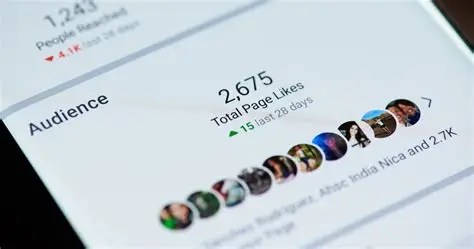
Audience targeting is one of the most powerful—and most misunderstood—parts of Facebook advertising. While Meta’s algorithms have become increasingly automated, who you allow Facebook to show your ads to still has a major impact on performance, cost, and scalability.
Targeting the right audience on Facebook is not about stacking dozens of interests or narrowing audiences as much as possible. It’s about giving the system the right inputs, enough flexibility to learn, and high-quality signals to optimize customer acquisition.
This article explains how Facebook audience targeting works, the different audience types available, and how to use interests, demographics, behaviors, custom audiences, and lookalike audiences effectively.
What Does “Targeting” Mean in Facebook Advertising?
Targeting defines which users are eligible to see your ads.
Facebook does not guarantee that everyone in your target audience will see your ads. Instead, targeting sets the boundaries within which Facebook’s algorithm operates.
Your job is to:
-
Define relevant audiences
-
Avoid unnecessary restrictions
-
Let the system optimize delivery
Why Audience Targeting Matters
Good targeting helps:
-
Lower CPMs
-
Improve CTR
-
Reduce CPA
-
Increase relevance
-
Improve learning speed
Poor targeting:
-
Increases costs
-
Limits scale
-
Slows optimization
-
Produces inconsistent results
Targeting is a performance lever, not a magic switch.
The Evolution of Facebook Targeting
Historically, Facebook targeting was:
-
Highly granular
-
Interest-heavy
-
Manual
Today, Facebook targeting is:
-
Broader
-
Algorithm-driven
-
Creative-led
-
Data-dependent
Understanding this shift is critical.
The Main Types of Facebook Audiences
Facebook supports three core audience types:
-
Core audiences
-
Custom audiences
-
Lookalike audiences
Each serves a different role in customer acquisition.
Core Audiences Explained
Core audiences are built using Facebook’s internal user data.
They are typically used for prospecting, or reaching new users who have never interacted with your business.
Demographic Targeting
Demographics include:
-
Age
-
Gender
-
Location
-
Language
-
Education
-
Job titles
-
Relationship status
Best Practices for Demographics
-
Use only what matters
-
Avoid unnecessary restrictions
-
Start broad when possible
Over-filtering demographics reduces performance.
Interest-Based Targeting
Interest targeting allows you to reach users based on:
-
Pages they like
-
Content they engage with
-
Topics they follow
Examples:
-
Fitness
-
SaaS
-
E-commerce
-
Entrepreneurship
-
Travel
Common Mistakes With Interests
-
Layering too many interests
-
Targeting competitor brands only
-
Assuming interest = purchase intent
-
Creating tiny audiences
Interest targeting should guide relevance—not restrict scale.
Behavior Targeting
Behavior targeting is based on user actions.
Examples include:
-
Online shopping behavior
-
Device usage
-
Travel activity
-
Purchase behaviors
Behavior targeting can indicate intent, but data availability varies.
Combining Demographics, Interests, and Behaviors
Facebook allows layering, but layering should be used sparingly.
Best practice:
-
Use 1–2 strong signals
-
Avoid complex combinations
-
Prioritize audience size and learning
Complex targeting often underperforms.
Broad Targeting: Why It Works
Broad targeting means using:
-
Minimal demographics
-
No interests
-
Large audiences
Why broad targeting works:
-
Facebook’s algorithm finds converters
-
Machine learning improves faster
-
Creative drives differentiation
Many top advertisers rely heavily on broad targeting.
When Broad Targeting Makes Sense
Broad targeting works best when:
-
You have conversion data
-
You test multiple creatives
-
Your offer has wide appeal
-
Your funnel is optimized
It is not ideal for every situation, but it is often underused.
Custom Audiences Explained
Custom audiences are built from your own data.
They are essential for efficiency and retargeting.
Types of Custom Audiences
Facebook supports custom audiences from:
-
Website visitors
-
App users
-
Customer lists
-
Lead forms
-
Video viewers
-
Social media engagement
These audiences represent warm or hot users.
Website Custom Audiences
Built using website activity.
Examples:
-
All visitors
-
Product page viewers
-
Cart abandoners
-
Past purchasers
Website retargeting consistently produces lower CPA.
Customer List Audiences
Upload:
-
Email lists
-
Phone numbers
-
CRM exports
Best practices:
-
Use high-quality data
-
Update lists regularly
-
Segment when possible
These audiences are valuable for upsells and retention.
Engagement-Based Audiences
Engagement audiences include:
-
Video viewers
-
Instagram engagers
-
Facebook page engagers
-
Ad engagers
These audiences are often overlooked but highly effective.
Retargeting Best Practices
Retargeting requires care.
Best practices:
-
Segment by intent
-
Use different messaging than prospecting
-
Avoid overexposure
-
Monitor frequency
Retargeting should feel helpful, not repetitive.
Lookalike Audiences Explained
Lookalike audiences allow Facebook to find new users similar to your existing audience.
They are one of the most powerful acquisition tools on the platform.
How Lookalike Audiences Work
Process:
-
You provide a source audience
-
Facebook analyzes patterns
-
Facebook finds similar users
Quality depends on the source audience.
Best Source Audiences for Lookalikes
Strong sources include:
-
Purchasers
-
High-LTV customers
-
Qualified leads
-
Subscribers
Weak sources produce weak lookalikes.
Lookalike Size and Scale
Lookalikes range from:
-
1% (most similar)
-
Up to 10% (broader reach)
Best practice:
-
Start with 1%–2%
-
Expand gradually
-
Test multiple sizes
Smaller is not always better.
Lookalikes vs Interest Targeting
Lookalikes:
-
Use real performance data
-
Scale better
-
Often outperform interests
Interests:
-
Useful when data is limited
-
Helpful for early-stage testing
Both have a place.
Audience Overlap and Saturation
Audience overlap occurs when:
-
Multiple ad sets target similar users
-
Campaigns compete with each other
This increases costs.
Best practices:
-
Consolidate audiences
-
Use exclusions wisely
-
Monitor frequency
Exclusions: Who You Should NOT Target
Exclusions are as important as inclusions.
Common exclusions:
-
Existing customers
-
Converted users
-
Irrelevant geographies
Exclusions improve efficiency.
Targeting for Different Funnel Stages
Top of Funnel Targeting
Use:
-
Broad audiences
-
Lookalikes
-
Light interest targeting
Focus on discovery and education.
Middle of Funnel Targeting
Use:
-
Video viewers
-
Engagers
-
Site visitors
Focus on consideration and trust-building.
Bottom of Funnel Targeting
Use:
-
Cart abandoners
-
Pricing page visitors
-
High-intent users
Focus on conversion and urgency.
Targeting for B2C vs B2B
B2C Targeting
B2C performs well with:
-
Broad audiences
-
Lookalikes
-
Behavioral signals
-
Strong creatives
Purchasing decisions are often emotional.
B2B Targeting
B2B targeting relies on:
-
Job titles (limited)
-
Company size (limited)
-
Retargeting
-
Content-based engagement
B2B success depends more on messaging than targeting precision.
Targeting for Local Businesses
Local targeting includes:
-
Geographic radius
-
Location-based behaviors
-
Local interests
Local relevance improves CTR and conversions.
How Creative and Targeting Work Together
Creative often matters more than targeting.
Strong creative:
-
Filters the audience naturally
-
Signals relevance
-
Improves learning
Weak creative fails regardless of targeting.
Common Facebook Targeting Mistakes
-
Over-targeting
-
Using tiny audiences
-
Ignoring exclusions
-
Relying only on interests
-
Constantly changing audiences
-
Expecting targeting to fix weak offers
Most failures are strategic, not technical.
Testing and Iterating on Audiences
Audience testing best practices:
-
Test one variable at a time
-
Give tests enough budget
-
Evaluate based on CPA and ROAS
-
Avoid premature conclusions
Learning compounds over time.
Privacy Changes and Their Impact on Targeting
Privacy updates have:
-
Reduced granular targeting
-
Increased reliance on algorithms
-
Increased importance of first-party data
Modern targeting is simpler—but more strategic.
The Future of Facebook Audience Targeting
Trends include:
-
Broader audiences
-
AI-driven discovery
-
First-party data dominance
-
Creative-led optimization
Understanding fundamentals is future-proof.
Final Thoughts
Targeting the right audience on Facebook is not about finding the “perfect” interest combination. It’s about building a smart audience framework that balances relevance, scale, and learning. Businesses that rely on strong creative, clean data, and thoughtful audience structure consistently outperform those that obsess over micro-targeting.
On Facebook, good targeting opens the door—but good creative closes the deal.
- Arts
- Business
- Computers
- Games
- Health
- Home
- Kids and Teens
- Money
- News
- Personal Development
- Recreation
- Regional
- Reference
- Science
- Shopping
- Society
- Sports
- Бизнес
- Деньги
- Дом
- Досуг
- Здоровье
- Игры
- Искусство
- Источники информации
- Компьютеры
- Личное развитие
- Наука
- Новости и СМИ
- Общество
- Покупки
- Спорт
- Страны и регионы
- World

 Russian
 French
 Spanish
 Portuguese
 Deutsch
 Turkish
 Dutch
Dutch
 Italiano
 Arabic
 Romaian
 Portuguese (Brazil)
 Greek
Greek
