
What Is PPC (Pay-Per-Click) Advertising?
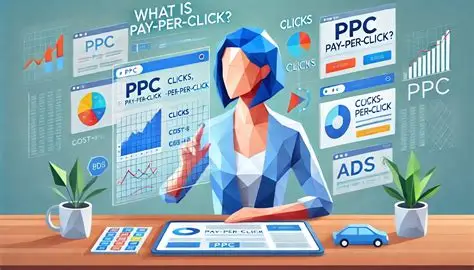
Pay-per-click (PPC) advertising is one of the most widely used and effective forms of online advertising. From search engines and social media to websites and mobile apps, PPC plays a central role in how businesses drive traffic, leads, and sales online. Yet for many beginners, the term “PPC” can feel confusing or overly technical.
This article explains what PPC advertising is, how it works, why it matters, and how businesses use it effectively. By the end, you’ll have a clear understanding of PPC and its role in modern online marketing.
Understanding PPC Advertising
PPC stands for pay-per-click, a pricing model where advertisers pay a fee each time someone clicks on their ad. Instead of paying upfront for exposure, advertisers only pay when a user takes action.
At its core, PPC advertising is about:
-
Buying traffic rather than earning it organically
-
Reaching users at the right moment
-
Paying for measurable engagement
PPC ads can appear on search engines, social media platforms, websites, and apps, making it one of the most flexible online advertising methods.
How PPC Advertising Works
Although platforms differ, most PPC systems follow a similar process.
-
An advertiser creates an ad
-
The advertiser sets a budget and bid
-
The platform runs an auction
-
Ads are shown to users
-
The advertiser pays when someone clicks
The auction does not simply reward the highest bidder. Most platforms consider ad relevance, quality, and user experience when deciding which ads appear.
PPC vs Other Advertising Models
PPC is just one of several online advertising models.
Common alternatives include:
-
CPM (cost per thousand impressions) – Pay for views
-
CPA (cost per acquisition) – Pay for conversions
-
CPC (cost per click) – Often used interchangeably with PPC
PPC is popular because it balances cost control with measurable performance.
Where PPC Advertising Is Used
PPC advertising exists across nearly every major online platform.
Search Engines
Search engine PPC ads appear when users search for specific keywords.
Examples:
-
Google Ads
-
Bing Ads
These ads capture high-intent traffic and often convert well.
Social Media Platforms
Social media PPC ads appear in feeds, stories, and videos.
Examples:
-
Facebook and Instagram
-
TikTok
-
LinkedIn
-
Twitter (X)
These platforms excel at targeting based on interests and behavior rather than search intent.
Display Networks
Display PPC ads appear as banners or visuals on websites and apps.
Examples:
-
Google Display Network
-
Programmatic ad platforms
Display PPC is commonly used for brand awareness and retargeting.
Types of PPC Ads
PPC advertising comes in many formats.
Search Ads
Text-based ads triggered by keywords. These appear at the top of search results and are highly intent-driven.
Display Ads
Visual banner ads placed across websites and apps. These are useful for awareness and retargeting.
Shopping Ads
Product-based ads showing images, prices, and descriptions, mainly used by eCommerce businesses.
Video Ads
Video-based PPC ads shown on platforms like YouTube and social media.
App Promotion Ads
Ads designed to drive mobile app installs and engagement.
Why PPC Advertising Is So Popular
PPC advertising remains one of the most widely used marketing strategies for several reasons.
Immediate Results
Unlike SEO or content marketing, PPC can drive traffic almost instantly after launch.
Full Budget Control
Advertisers control daily spend, maximum bids, and overall budgets.
Precise Targeting
PPC platforms allow targeting by:
-
Keywords
-
Location
-
Demographics
-
Interests
-
Device type
-
Time of day
Measurable Performance
Every click, impression, and conversion is tracked, making it easy to evaluate ROI.
The Role of Quality Score in PPC
Most PPC platforms use a quality metric to determine ad placement and cost.
Quality score is influenced by:
-
Ad relevance
-
Expected click-through rate
-
Landing page experience
Higher-quality ads often pay less per click while receiving better visibility.
PPC Keyword Targeting Explained
Keywords are the foundation of many PPC campaigns.
Keyword match types include:
-
Broad match
-
Phrase match
-
Exact match
Choosing the right keywords helps ensure ads are shown to relevant users and reduces wasted spend.
Negative keywords are also important. They prevent ads from appearing for irrelevant searches.
Bidding Strategies in PPC Advertising
PPC platforms offer different bidding strategies.
Common strategies include:
-
Manual bidding
-
Maximize clicks
-
Maximize conversions
-
Target CPA
-
Target ROAS
Each strategy suits different goals and experience levels.
PPC for Small Businesses
PPC is especially valuable for small businesses because it allows them to compete with larger brands.
Benefits include:
-
Local targeting
-
Budget flexibility
-
Fast testing
-
Direct response opportunities
With smart targeting and strong messaging, small businesses can achieve strong results without massive budgets.
Common PPC Mistakes to Avoid
Many advertisers struggle with PPC due to avoidable errors.
Common mistakes include:
-
Poor keyword selection
-
Sending traffic to irrelevant pages
-
Ignoring mobile optimization
-
Not tracking conversions
-
Letting campaigns run without optimization
Avoiding these mistakes improves efficiency and profitability.
PPC vs SEO
PPC and SEO are often compared, but they serve different purposes.
PPC:
-
Delivers immediate traffic
-
Requires ongoing spend
-
Offers precise control
SEO:
-
Takes time to build
-
Provides long-term traffic
-
Requires content and optimization
Many successful strategies use both together.
Measuring PPC Success
Key metrics used to evaluate PPC performance include:
-
Click-through rate (CTR)
-
Cost per click (CPC)
-
Conversion rate
-
Cost per acquisition (CPA)
-
Return on ad spend (ROAS)
These metrics help advertisers understand what is working and where improvements are needed.
The Learning Curve of PPC Advertising
PPC advertising is simple to start but complex to master.
Beginners often focus on:
-
Testing
-
Learning platform tools
-
Understanding audience behavior
Over time, experience leads to better optimization and higher returns.
The Future of PPC Advertising
PPC continues to evolve with advancements in automation and artificial intelligence.
Trends shaping PPC include:
-
Smart bidding
-
Automated creatives
-
Privacy-focused targeting
-
Cross-platform attribution
Despite changes, PPC remains a foundational digital marketing channel.
Final Thoughts
PPC advertising is a powerful, flexible, and measurable way to reach audiences online. By paying only when users click, advertisers gain control over budgets while driving targeted traffic.
When combined with strong strategy, relevant messaging, and ongoing optimization, PPC can deliver consistent and scalable results for businesses of all sizes.
Understanding PPC is not just helpful—it’s essential for anyone serious about online advertising.
- Arts
- Business
- Computers
- Παιχνίδια
- Health
- Κεντρική Σελίδα
- Kids and Teens
- Money
- News
- Personal Development
- Recreation
- Regional
- Reference
- Science
- Shopping
- Society
- Sports
- Бизнес
- Деньги
- Дом
- Досуг
- Здоровье
- Игры
- Искусство
- Источники информации
- Компьютеры
- Личное развитие
- Наука
- Новости и СМИ
- Общество
- Покупки
- Спорт
- Страны и регионы
- World

 English
 Russian
 French
 Spanish
 Portuguese
 Deutsch
 Turkish
 Dutch
Dutch
 Italiano
 Arabic
 Romaian
 Portuguese (Brazil)
