
What Is the Difference Between Online Advertising and Digital Marketing?
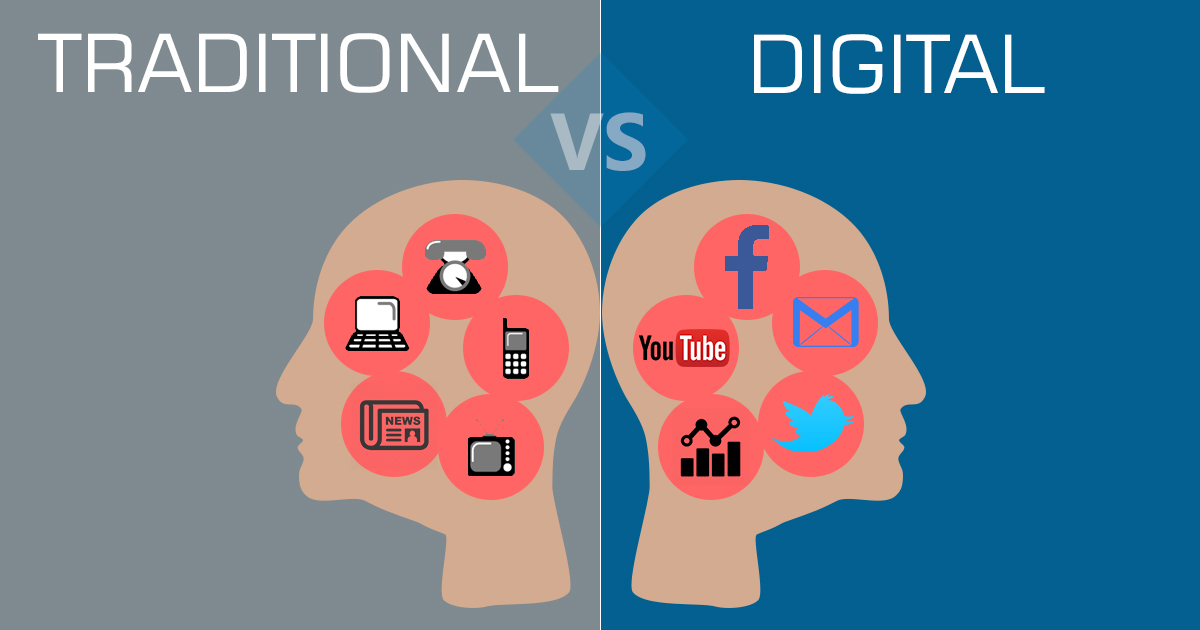
The terms online advertising and digital marketing are often used interchangeably, but they are not the same thing. While closely related, they serve different purposes and operate at different levels within a business’s overall marketing strategy. Understanding the distinction between the two is essential for making better decisions about where to invest time, effort, and budget.
This article breaks down the difference between online advertising and digital marketing, explains how they work together, and clarifies when each should be used.
Defining Online Advertising
Online advertising refers specifically to paid promotional activities conducted on the internet. It is a subset of digital marketing that focuses on placing ads in front of users in exchange for money.
Online advertising is characterized by:
-
Paid placements
-
Immediate visibility
-
Platform-controlled distribution
-
Performance-based pricing models
Examples of online advertising include:
-
Google search ads
-
Social media ads
-
Display banner ads
-
Video ads
-
Sponsored content
The defining feature of online advertising is payment. If you stop paying, the traffic stops.
Defining Digital Marketing
Digital marketing is a broader concept that includes all marketing activities conducted through digital channels, both paid and unpaid.
Digital marketing encompasses:
-
Online advertising
-
Search engine optimization (SEO)
-
Content marketing
-
Email marketing
-
Social media marketing (organic)
-
Influencer marketing
-
Affiliate marketing
-
Mobile marketing
Digital marketing focuses on building relationships, brand presence, and long-term growth—not just immediate traffic.
The Core Difference Explained Simply
The simplest way to understand the difference is this:
-
Online advertising is paid promotion
-
Digital marketing is the overall strategy
Online advertising is one tool within the digital marketing toolbox.
Paid vs Organic Efforts
One of the biggest differences between online advertising and digital marketing is the role of paid versus organic methods.
Online Advertising
-
Always paid
-
Results appear quickly
-
Traffic stops when budget runs out
-
High control over reach and targeting
Digital Marketing
-
Can be paid or organic
-
Often takes longer to see results
-
Builds long-term value
-
Focuses on trust and engagement
SEO and content marketing, for example, may take months to show results but can generate traffic for years.
Speed of Results
Online advertising is designed for speed.
-
Campaigns can launch within hours
-
Traffic can start immediately
-
Ideal for promotions and launches
Digital marketing strategies such as SEO and content marketing are slower but more sustainable.
-
Require consistent effort
-
Build authority over time
-
Provide compounding benefits
Businesses often use online advertising for short-term wins and digital marketing for long-term growth.
Cost Structure Differences
Online advertising has direct costs.
-
Cost per click
-
Cost per impression
-
Cost per conversion
Digital marketing often has indirect costs.
-
Content creation
-
Tools and software
-
Time and labor
While digital marketing may appear “free,” it still requires resources. The difference is how and when the costs are paid.
Control and Predictability
Online advertising offers a high degree of control.
Advertisers can:
-
Set daily budgets
-
Pause campaigns instantly
-
Adjust targeting quickly
-
Scale winning ads
Digital marketing is less predictable.
-
Algorithm changes affect SEO
-
Organic reach fluctuates
-
Growth is gradual
This makes online advertising ideal for testing and experimentation.
Targeting Capabilities
Online advertising platforms offer advanced targeting options.
Advertisers can target users by:
-
Demographics
-
Interests
-
Behavior
-
Search intent
-
Retargeting data
Digital marketing targeting is broader.
SEO targets keywords and topics
Content marketing targets audiences through relevance
Email marketing targets subscribers
Online advertising provides more precise, immediate targeting.
Measurement and Attribution
Online advertising is highly measurable.
Metrics include:
-
Clicks
-
Conversions
-
Cost per acquisition
-
Return on ad spend
Digital marketing measurement is more complex.
-
SEO performance takes time
-
Brand impact is harder to quantify
-
Attribution spans multiple touchpoints
Both rely on data, but online advertising offers clearer short-term attribution.
Role in the Marketing Funnel
Online advertising and digital marketing serve different roles within the customer journey.
Online Advertising
-
Drives awareness quickly
-
Captures high-intent users
-
Supports promotions and launches
-
Feeds traffic into funnels
Digital Marketing
-
Nurtures relationships
-
Builds trust and authority
-
Educates audiences
-
Retains customers
Together, they create a complete funnel from awareness to loyalty.
Examples to Illustrate the Difference
Example 1:
A business runs Google Ads to promote a product launch.
That is online advertising.
Example 2:
The same business publishes blog content, optimizes for SEO, sends newsletters, and grows social media organically.
That is digital marketing.
The Google Ads campaign may generate immediate sales, while the blog builds long-term traffic.
Which One Is Better?
Neither online advertising nor digital marketing is “better” on its own.
Online advertising is better when:
-
You need fast results
-
You want predictable traffic
-
You’re testing offers
Digital marketing is better when:
-
You want sustainable growth
-
You’re building a brand
-
You want lower long-term costs
The strongest strategies combine both.
How Online Advertising Fits Into a Digital Marketing Strategy
Online advertising often acts as the accelerator.
It can:
-
Promote content
-
Drive traffic to landing pages
-
Retarget website visitors
-
Support product launches
Digital marketing provides the foundation that makes advertising more effective.
Common Misunderstandings
Many people assume digital marketing only means ads. Others believe online advertising replaces all other marketing. Both ideas are incorrect.
Online advertising without digital marketing often leads to:
-
Short-term gains
-
Low trust
-
High costs over time
Digital marketing without advertising can be:
-
Slow to scale
-
Limited in reach
Balance is key.
The Long-Term Impact
Digital marketing builds brand equity and trust over time. Online advertising amplifies that presence and accelerates growth.
Businesses that rely only on ads may struggle when costs rise. Businesses that rely only on organic methods may grow too slowly.
The most resilient brands invest in both.
Final Thoughts
Online advertising and digital marketing are deeply connected but not interchangeable. Online advertising is a paid, fast, and measurable way to reach audiences, while digital marketing is the broader strategy that builds lasting relationships and long-term value.
Understanding the difference helps businesses allocate resources wisely and design smarter marketing strategies. When combined, online advertising and digital marketing create a powerful system that drives both immediate results and sustainable growth.
- Arts
- Business
- Computers
- Jeux
- Health
- Domicile
- Kids and Teens
- Argent
- News
- Personal Development
- Recreation
- Regional
- Reference
- Science
- Shopping
- Society
- Sports
- Бизнес
- Деньги
- Дом
- Досуг
- Здоровье
- Игры
- Искусство
- Источники информации
- Компьютеры
- Личное развитие
- Наука
- Новости и СМИ
- Общество
- Покупки
- Спорт
- Страны и регионы
- World

 English
 Russian
 Spanish
 Portuguese
 Deutsch
 Turkish
 Dutch
Dutch
 Italiano
 Arabic
 Romaian
 Portuguese (Brazil)
 Greek
Greek
