
What Is Display Advertising? Examples and Formats Explained
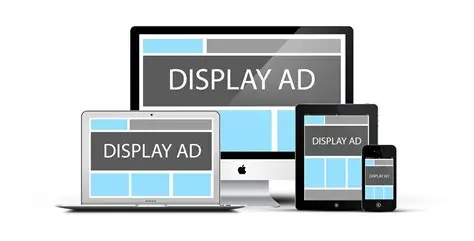
Display advertising is one of the most widely used and visually recognizable forms of online advertising. From banner ads on websites to rich media placements inside mobile apps, display advertising plays a critical role in building brand awareness, supporting retargeting strategies, and driving conversions across the digital ecosystem.
This article provides a complete, in-depth explanation of what display advertising is, how it works, the most common formats, real-world examples, and when businesses should use it as part of their online advertising strategy.
Understanding Display Advertising
Display advertising refers to visual-based ads that appear on websites, mobile apps, and social platforms. Unlike search advertising, which targets users actively searching for something, display advertising reaches users as they browse content online.
These ads typically include:
-
Images
-
Graphics
-
Text
-
Video
-
Interactive elements
Display advertising focuses on visibility and engagement, often appearing alongside editorial or entertainment content.
How Display Advertising Works
Display advertising relies on ad networks and platforms that connect advertisers with publishers.
The general process:
-
Advertisers create visual ads
-
Ads are uploaded to an ad platform
-
Targeting criteria are defined
-
Ads are displayed on partner websites or apps
-
Users see, click, or engage with the ads
Most display advertising is bought through automated systems that match ads with available placements in real time.
Display Advertising vs Other Ad Types
Display advertising differs from other online ad formats in important ways.
Display vs Search Advertising
Search ads:
-
Triggered by keywords
-
Appear in search results
-
Capture active intent
Display ads:
-
Appear during browsing
-
Build awareness
-
Influence consideration
Display advertising is often used earlier in the buyer journey.
Display vs Social Advertising
Social ads:
-
Appear within social feeds
-
Leverage platform-specific engagement
Display ads:
-
Appear across many websites
-
Reach users outside social platforms
Both formats complement each other when used strategically.
Common Display Advertising Platforms
Display advertising can run across many platforms.
Popular options include:
-
Google Display Network
-
Programmatic ad exchanges
-
Native ad networks
-
Mobile ad networks
Each platform offers different reach, formats, and targeting capabilities.
Types of Display Advertising Formats
Display advertising comes in a wide variety of formats. Choosing the right format depends on goals, audience behavior, and creative resources.
Banner Ads
Banner ads are the most traditional display format.
They typically:
-
Appear at the top, bottom, or sides of webpages
-
Include images and text
-
Link to landing pages
Common banner sizes include leaderboard, rectangle, and skyscraper formats.
Responsive Display Ads
Responsive display ads automatically adjust their size, layout, and appearance to fit available ad spaces.
Benefits include:
-
Broader reach
-
Easier creative management
-
Better performance optimization
These ads adapt to different screens and placements.
Image Display Ads
Image ads focus on strong visuals to capture attention quickly.
They often:
-
Highlight products or services
-
Use branding elements
-
Deliver simple messages
Image ads work well for awareness and retargeting campaigns.
Video Display Ads
Video display ads use motion and sound to engage users.
They can appear:
-
In-stream
-
Out-stream
-
Embedded within content
Video ads often generate higher engagement than static formats.
Rich Media Ads
Rich media ads include interactive elements such as:
-
Animations
-
Expandable panels
-
Games
-
Embedded forms
These ads encourage deeper engagement but require careful design to avoid disruption.
Interstitial Ads
Interstitial ads appear between content transitions, such as between pages or app screens.
They:
-
Occupy the full screen
-
Demand attention
-
Work well on mobile
Because they are intrusive, they must be used sparingly.
Native Display Ads
Native display ads blend into the surrounding content.
They:
-
Match the look and feel of the platform
-
Appear less disruptive
-
Often perform better than traditional banners
Native ads are commonly used in content-driven environments.
Display Advertising Examples
To understand display advertising in practice, consider these real-world examples.
Brand Awareness Campaign
A clothing brand runs image display ads on fashion blogs and lifestyle websites to introduce a new collection.
Goal:
-
Increase brand recognition
-
Drive website visits
Retargeting Campaign
An online retailer shows banner ads featuring products users previously viewed.
Goal:
-
Re-engage visitors
-
Recover abandoned interest
App Promotion Campaign
A mobile app company runs interstitial ads in gaming apps.
Goal:
-
Drive app installs
-
Reach mobile-first users
Seasonal Promotion Campaign
A travel company runs video display ads promoting holiday deals.
Goal:
-
Inspire travel planning
-
Capture seasonal demand
Targeting Options in Display Advertising
Display advertising offers advanced targeting capabilities.
Common targeting methods include:
-
Demographics
-
Interests
-
Topics
-
Contextual targeting
-
Behavioral targeting
-
Retargeting
Precise targeting improves relevance and reduces wasted impressions.
Contextual Display Advertising
Contextual targeting places ads on pages related to specific topics or keywords.
For example:
-
Fitness ads on health websites
-
Finance ads on business blogs
This ensures alignment between content and advertising message.
Behavioral Display Advertising
Behavioral targeting uses past user behavior to determine ad placement.
Signals may include:
-
Browsing history
-
Purchase behavior
-
Content consumption
This approach increases personalization.
Retargeting with Display Ads
Retargeting is one of the most effective uses of display advertising.
It allows advertisers to:
-
Reconnect with past visitors
-
Reinforce messaging
-
Improve conversion rates
Display ads are especially effective for visual reminders.
Benefits of Display Advertising
Display advertising offers several key advantages.
Massive Reach
Display ads can reach users across millions of websites and apps.
This makes display advertising ideal for:
-
Brand awareness
-
Market expansion
Visual Storytelling
Display formats allow brands to:
-
Use imagery
-
Showcase products
-
Communicate emotions
Visual storytelling builds recognition and trust.
Cost Flexibility
Display advertising supports:
-
CPM bidding
-
CPC bidding
-
CPA optimization
Budgets can scale up or down easily.
Support for the Full Funnel
Display ads support:
-
Awareness
-
Consideration
-
Retargeting
They complement search and social campaigns.
Challenges of Display Advertising
Despite its benefits, display advertising has challenges.
Banner Blindness
Users often ignore traditional banner ads.
Solutions include:
-
Creative variation
-
Native formats
-
Strong messaging
Lower Direct Intent
Display users are not actively searching.
This makes:
-
Conversion rates lower than search
-
Messaging more important
Creative Fatigue
Repeated exposure to the same ad reduces effectiveness.
Refreshing creatives regularly is essential.
Best Practices for Display Advertising
To succeed with display advertising:
-
Use clear visuals
-
Keep messaging simple
-
Match ads to landing pages
-
Segment audiences
-
Test formats and creatives
Optimization is ongoing.
Display Advertising for Different Business Types
eCommerce
Focus on:
-
Product images
-
Dynamic retargeting
-
Promotions
B2B
Focus on:
-
Educational content
-
Brand authority
-
Lead generation
Local Businesses
Focus on:
-
Location targeting
-
Awareness campaigns
-
Mobile-friendly ads
Measuring Display Advertising Performance
Common metrics include:
-
Impressions
-
Click-through rate (CTR)
-
Cost per click (CPC)
-
Conversions
-
View-through conversions
Display advertising often contributes indirectly to conversions.
The Role of Display Advertising in a Modern Strategy
Display advertising works best when combined with:
-
Search advertising
-
Social media ads
-
Email marketing
-
Content marketing
It strengthens brand presence across the buyer journey.
The Future of Display Advertising
Display advertising continues to evolve through:
-
Automation
-
Privacy-focused targeting
-
AI-driven optimization
-
Creative personalization
Despite changes, visual advertising remains essential.
Final Thoughts
Display advertising is a foundational component of online advertising. While it may not always deliver immediate conversions, its ability to build awareness, support retargeting, and reinforce brand messaging makes it indispensable in a comprehensive digital strategy.
When executed thoughtfully—with strong creative, smart targeting, and continuous optimization—display advertising delivers long-term value that extends far beyond clicks.
- Arts
- Business
- Computers
- Jeux
- Health
- Domicile
- Kids and Teens
- Argent
- News
- Personal Development
- Recreation
- Regional
- Reference
- Science
- Shopping
- Society
- Sports
- Бизнес
- Деньги
- Дом
- Досуг
- Здоровье
- Игры
- Искусство
- Источники информации
- Компьютеры
- Личное развитие
- Наука
- Новости и СМИ
- Общество
- Покупки
- Спорт
- Страны и регионы
- World

 English
 Russian
 Spanish
 Portuguese
 Deutsch
 Turkish
 Dutch
Dutch
 Italiano
 Arabic
 Romaian
 Portuguese (Brazil)
 Greek
Greek
