
What Is Native Advertising?
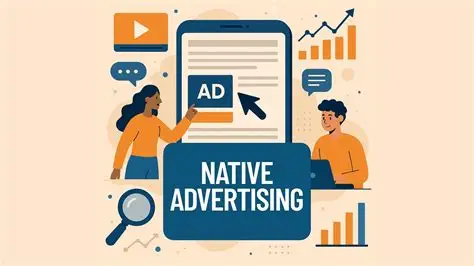
Native advertising is a form of online advertising designed to blend seamlessly with the content and format of the platform on which it appears. Unlike traditional ads that interrupt the user experience, native ads match the look, feel, and function of the surrounding content, making them less intrusive and often more engaging.
This article explains what native advertising is, how it works, common formats, real-world examples, benefits, challenges, and best practices for using native advertising effectively.
Understanding Native Advertising
Native advertising refers to paid ads that appear naturally within editorial or platform content. These ads are designed to look like organic content while still being clearly labeled as sponsored or promoted.
The goal of native advertising is to:
-
Deliver value to users
-
Reduce disruption
-
Increase engagement
When done well, native ads feel like helpful content rather than traditional advertising.
How Native Advertising Works
Native advertising works by aligning ad creative with the platform’s design and content style.
The basic process:
-
Advertisers create content-based ads
-
Ads are formatted to match the platform
-
Targeting determines who sees the ad
-
Users engage with the content naturally
-
Conversions occur through soft calls to action
Native ads rely heavily on relevance and context.
Native Advertising vs Traditional Advertising
Native advertising differs significantly from traditional digital ads.
Traditional ads:
-
Interrupt content
-
Stand out visually
-
Are often ignored
Native ads:
-
Blend into content feeds
-
Match editorial style
-
Encourage voluntary engagement
This difference is key to their effectiveness.
Common Native Advertising Formats
Native advertising appears in several formats across platforms.
In-Feed Native Ads
In-feed ads appear within content feeds on:
-
News websites
-
Social media platforms
-
Content discovery networks
They resemble regular articles or posts but include sponsored labels.
Sponsored Content
Sponsored content involves paid articles or videos published on media sites.
Examples include:
-
Brand-written blog posts
-
Thought leadership articles
-
Educational content
These ads focus on storytelling and value rather than direct selling.
Recommendation Widgets
These native ads appear as content recommendations.
Often labeled:
-
“Recommended for you”
-
“Sponsored stories”
They typically link to articles, guides, or landing pages.
Search Native Ads
Search ads are considered native because they:
-
Match organic search results
-
Align with user intent
-
Appear naturally within results pages
They are clearly labeled but blend seamlessly.
Social Media Native Ads
Social ads are native by design.
They appear as:
-
Sponsored posts
-
Promoted videos
-
Boosted stories
They match the look and feel of organic content.
Examples of Native Advertising
Content Marketing Campaign
A software company publishes a sponsored article explaining productivity challenges, subtly introducing its solution.
Goal:
-
Educate users
-
Build trust
-
Generate leads
Social Media Promotion
A restaurant promotes a behind-the-scenes video that appears as a regular social post.
Goal:
-
Build brand affinity
-
Drive local engagement
ECommerce Native Ads
A fashion brand promotes a style guide that links to featured products.
Goal:
-
Inspire purchases
-
Drive consideration
Benefits of Native Advertising
Native advertising offers several advantages.
Higher Engagement Rates
Because native ads blend in:
-
Users are more likely to read
-
Engagement rates are higher
-
Scroll-through rates improve
Reduced Ad Fatigue
Native ads feel less repetitive and intrusive.
This helps:
-
Reduce banner blindness
-
Improve user experience
Strong Performance on Mobile
Native formats are especially effective on mobile devices where screen space is limited.
Improved Brand Trust
Educational and value-driven native ads build:
-
Credibility
-
Authority
-
Long-term trust
Flexibility Across Funnel Stages
Native advertising supports:
-
Awareness
-
Consideration
-
Retargeting
It’s effective beyond direct sales.
Challenges of Native Advertising
Despite its strengths, native advertising has drawbacks.
Content Creation Requirements
Native advertising requires:
-
High-quality content
-
Editorial-style writing
-
Visual assets
This increases time and cost.
Transparency Concerns
Ads must be clearly labeled to:
-
Maintain trust
-
Comply with regulations
Misleading native ads can harm brand reputation.
Measurement Complexity
Native ads often focus on:
-
Engagement
-
Time on page
-
Assisted conversions
Direct attribution can be harder.
Native Advertising Platforms
Common platforms include:
-
Social media networks
-
Content discovery networks
-
News and media publishers
-
Search engines
Each platform has unique creative and targeting requirements.
Native Advertising and Targeting
Native ads use advanced targeting options:
-
Demographics
-
Interests
-
Contextual placement
-
Retargeting
Contextual alignment is especially important.
Best Practices for Native Advertising
Match Platform Style
Ads should:
-
Match tone and format
-
Use native language
-
Follow editorial guidelines
Focus on Value First
Effective native ads:
-
Educate
-
Entertain
-
Solve problems
Selling should be subtle.
Use Clear Disclosure
Always label ads clearly as:
-
Sponsored
-
Promoted
Transparency builds trust.
Optimize Headlines and Thumbnails
Strong headlines drive clicks without clickbait.
Visuals should feel natural—not overly promotional.
Align Content With Intent
Match content to where users are in the buyer journey.
Native Advertising vs Content Marketing
Native advertising promotes content through paid placement.
Content marketing:
-
Builds owned assets
-
Grows organic reach
Native advertising accelerates content distribution.
Native Advertising vs Display Advertising
Display ads:
-
Focus on visibility
-
Emphasize visuals
Native ads:
-
Focus on engagement
-
Emphasize content
Both can work together.
Native Advertising for Different Businesses
Small Businesses
Native ads help:
-
Build trust
-
Share stories
-
Compete with larger brands
B2B Companies
Native advertising supports:
-
Thought leadership
-
Lead generation
-
Long sales cycles
eCommerce Brands
Native ads inspire:
-
Product discovery
-
Lifestyle association
-
Brand storytelling
Measuring Native Advertising Performance
Common metrics include:
-
Engagement rate
-
Time on page
-
Scroll depth
-
Assisted conversions
Success is often indirect.
Native Advertising and Brand Safety
Working with reputable publishers ensures:
-
Content quality
-
Brand-safe placements
This protects reputation.
The Future of Native Advertising
Native advertising continues to grow due to:
-
Ad fatigue with banners
-
Mobile-first consumption
-
Demand for value-driven content
It aligns with modern user expectations.
Final Thoughts
Native advertising bridges the gap between content and promotion. By blending seamlessly into user experiences, it delivers value without disruption. When executed thoughtfully—with transparency, relevance, and quality—native advertising becomes one of the most effective tools in online advertising.
Rather than demanding attention, native advertising earns it. For brands looking to engage audiences authentically while achieving measurable results, native advertising is not just an option—it’s a strategic advantage.
- Arts
- Business
- Computers
- Jogos
- Health
- Início
- Kids and Teens
- Money
- News
- Personal Development
- Recreation
- Regional
- Reference
- Science
- Shopping
- Society
- Sports
- Бизнес
- Деньги
- Дом
- Досуг
- Здоровье
- Игры
- Искусство
- Источники информации
- Компьютеры
- Личное развитие
- Наука
- Новости и СМИ
- Общество
- Покупки
- Спорт
- Страны и регионы
- World

 English
 Russian
 French
 Spanish
 Portuguese
 Deutsch
 Turkish
 Dutch
Dutch
 Italiano
 Arabic
 Romaian
 Greek
Greek
