
What Are Common Online Advertising Mistakes?
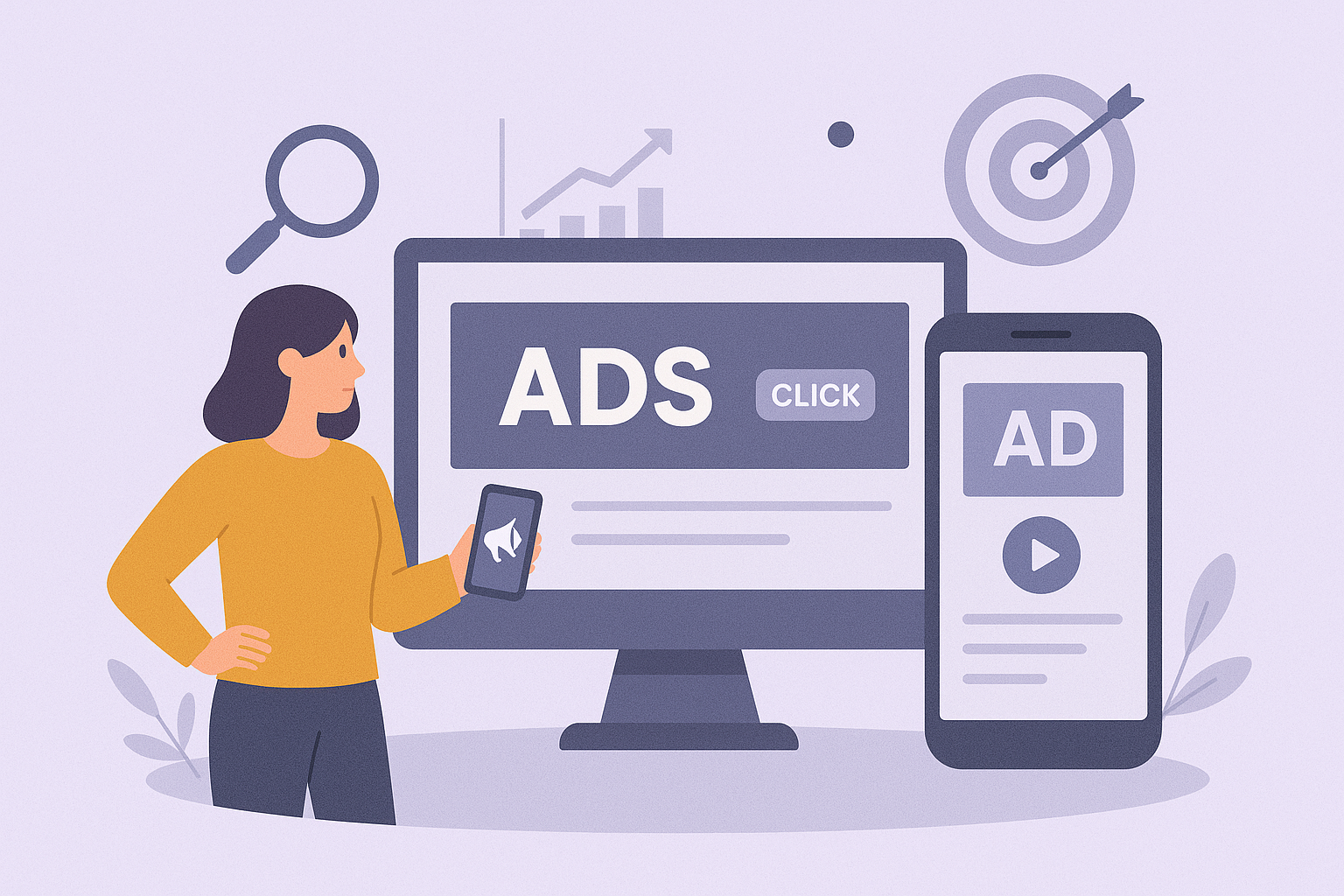
Online advertising offers incredible opportunities, but it’s also easy to waste money, miss opportunities, or get poor results if campaigns are not set up and managed correctly. Many businesses—especially beginners—make the same avoidable mistakes over and over. Understanding these pitfalls is just as important as knowing best practices.
This article explores the most common online advertising mistakes, why they happen, how they hurt performance, and what you can do to avoid them.
Why Online Advertising Mistakes Are So Common
Online advertising platforms are powerful but complex.
Mistakes happen because:
-
Platforms evolve quickly
-
Algorithms are not always intuitive
-
Many advertisers rush setup
-
Strategy is often unclear
Even experienced marketers still make mistakes without regular optimization.
Advertising Without Clear Goals
One of the biggest mistakes is launching ads without a defined objective.
Why This Is a Problem
Without clear goals:
-
Campaigns lack focus
-
Performance is hard to measure
-
Budget decisions become guesswork
How to Avoid It
Before launching, define whether your goal is:
-
Traffic
-
Leads
-
Sales
-
App installs
-
Brand awareness
Every campaign should have one primary objective.
Targeting Too Broad or Too Narrow
Audience targeting is a balancing act.
Targeting Too Broad
When targeting is too wide:
-
Ads reach uninterested users
-
Click-through rates drop
-
Costs increase
This is common when advertisers select large audiences without refining interests or intent.
Targeting Too Narrow
Overly narrow targeting can:
-
Limit reach
-
Increase costs
-
Restrict algorithm optimization
Platforms need enough data to perform well.
Best Practice
Start moderately targeted, then refine based on performance data.
Ignoring Audience Intent
Not all users are at the same stage of the buying journey.
Mistakes include:
-
Selling aggressively to cold audiences
-
Using awareness messaging for ready-to-buy users
Match your message to whether users are:
-
Discovering
-
Comparing
-
Ready to purchase
Intent alignment improves results dramatically.
Poor Ad Copy and Creative
Even perfect targeting fails with weak ads.
Common Creative Mistakes
-
Generic messaging
-
No clear value proposition
-
Weak headlines
-
Confusing visuals
Users scroll quickly—your ad must earn attention.
How to Improve
Focus on:
-
One clear benefit
-
Simple language
-
Strong visuals
-
Clear calls to action
Clarity beats cleverness.
Sending Traffic to the Wrong Landing Page
A frequent and costly mistake is sending users to irrelevant or poorly designed pages.
Why This Hurts Performance
-
Confuses users
-
Reduces conversions
-
Increases bounce rates
-
Raises costs
Best Practice
Ensure landing pages:
-
Match ad messaging
-
Load quickly
-
Have a clear next step
The ad and landing page should feel like one experience.
Not Tracking Conversions Properly
Many advertisers run campaigns without proper tracking.
Common Tracking Issues
-
Missing conversion pixels
-
Tracking wrong actions
-
Relying only on clicks
Without accurate data, optimization becomes impossible.
How to Fix It
Set up tracking for:
-
Purchases
-
Leads
-
Calls
-
Key engagement actions
Good data drives better decisions.
Focusing on Vanity Metrics
Clicks and impressions look impressive—but they don’t guarantee success.
Vanity Metrics vs Meaningful Metrics
Vanity metrics:
-
Impressions
-
Likes
-
Clicks
Meaningful metrics:
-
Conversions
-
Cost per acquisition
-
Return on ad spend
Optimizing for the wrong metrics leads to poor outcomes.
Overspending Too Quickly
Scaling too fast is a common mistake.
Why This Happens
-
Early results look promising
-
Advertisers increase budgets aggressively
-
Algorithms don’t have time to adjust
This often leads to unstable performance.
Best Practice
Scale gradually:
-
Increase budgets incrementally
-
Monitor performance closely
-
Allow time for learning phases
Patience saves money.
Underestimating Testing and Optimization
Some advertisers launch ads and never revisit them.
Why This Is a Problem
Ad performance declines over time due to:
-
Ad fatigue
-
Audience saturation
-
Changing competition
Best Practice
Regularly test:
-
New creatives
-
New headlines
-
New audiences
-
New offers
Testing keeps campaigns fresh and effective.
Ignoring Ad Fatigue
Seeing the same ad repeatedly reduces engagement.
Signs of Ad Fatigue
-
Declining click-through rates
-
Rising costs
-
Lower conversions
How to Prevent It
-
Rotate creatives
-
Refresh messaging
-
Expand audiences
Fresh ads maintain performance.
Forgetting Mobile Optimization
Most online traffic is mobile—but many ads aren’t designed for it.
Common Mobile Mistakes
-
Text too small
-
Slow-loading pages
-
Forms that are hard to complete
Best Practice
Design ads and landing pages mobile-first.
Overcomplicating Campaign Structure
Complex setups can be hard to manage and optimize.
Why Simplicity Wins
Overly complex campaigns:
-
Slow decision-making
-
Increase errors
-
Make data harder to interpret
Best Practice
Start simple:
-
Clear campaign goals
-
Logical ad group structure
-
Easy-to-read reporting
Complexity can come later.
Ignoring Platform-Specific Best Practices
Each platform behaves differently.
Common Mistakes
-
Using the same ad copy everywhere
-
Ignoring platform formats
-
Not following creative guidelines
How to Improve
Customize ads for each platform’s:
-
Audience behavior
-
Ad formats
-
Content style
Native-feeling ads perform better.
Not Using Retargeting
Failing to retarget is a missed opportunity.
Why Retargeting Matters
Most users don’t convert on first visit.
Retargeting:
-
Improves conversion rates
-
Lowers costs
-
Reinforces brand trust
Best Practice
Always include retargeting in your strategy.
Setting and Forgetting Campaigns
Online advertising requires ongoing management.
Risks of Neglect
-
Budget waste
-
Declining performance
-
Missed optimization opportunities
Best Practice
Monitor campaigns regularly and adjust based on data.
Unrealistic Expectations
Some advertisers expect immediate, massive results.
Why This Causes Problems
-
Leads to poor decisions
-
Encourages premature shutdowns
-
Prevents learning
Better Mindset
Treat online advertising as:
-
A testing process
-
A learning system
-
A long-term growth tool
Results improve with time and refinement.
Ignoring the Customer Journey
Focusing only on conversions ignores the bigger picture.
Common Oversight
-
No follow-up strategy
-
No nurturing
-
No funnel thinking
Best Practice
Use ads to support the entire journey:
-
Awareness
-
Consideration
-
Conversion
Integrated strategies perform best.
Not Aligning Ads With Overall Marketing
Ads shouldn’t operate in isolation.
Problems This Creates
-
Inconsistent messaging
-
Weak brand identity
-
Missed synergy
Best Practice
Align ads with:
-
Website messaging
-
Email marketing
-
Social media
-
Sales processes
Consistency builds trust.
Failing to Learn From Data
Data is one of online advertising’s biggest advantages.
Common Data Mistakes
-
Ignoring reports
-
Making emotional decisions
-
Not testing hypotheses
How to Improve
Use data to:
-
Identify patterns
-
Refine targeting
-
Improve messaging
Smart decisions beat guesses.
Final Thoughts
Online advertising mistakes are common—but they’re also avoidable. Most problems come down to lack of planning, poor alignment, insufficient testing, or ignoring data. The good news is that every mistake is also a learning opportunity.
By setting clear goals, understanding your audience, tracking meaningful metrics, and committing to ongoing optimization, you can avoid the most costly pitfalls and turn online advertising into a consistent and scalable growth channel.
Success in online advertising isn’t about perfection—it’s about continuous improvement.
- Arts
- Business
- Computers
- Spiele
- Health
- Startseite
- Kids and Teens
- Geld
- News
- Personal Development
- Recreation
- Regional
- Reference
- Science
- Shopping
- Society
- Sports
- Бизнес
- Деньги
- Дом
- Досуг
- Здоровье
- Игры
- Искусство
- Источники информации
- Компьютеры
- Личное развитие
- Наука
- Новости и СМИ
- Общество
- Покупки
- Спорт
- Страны и регионы
- World

 English
 Russian
 French
 Spanish
 Portuguese
 Turkish
 Dutch
Dutch
 Italiano
 Arabic
 Romaian
 Portuguese (Brazil)
 Greek
Greek
