
What Is Digital Out-of-Home (DOOH) Advertising?
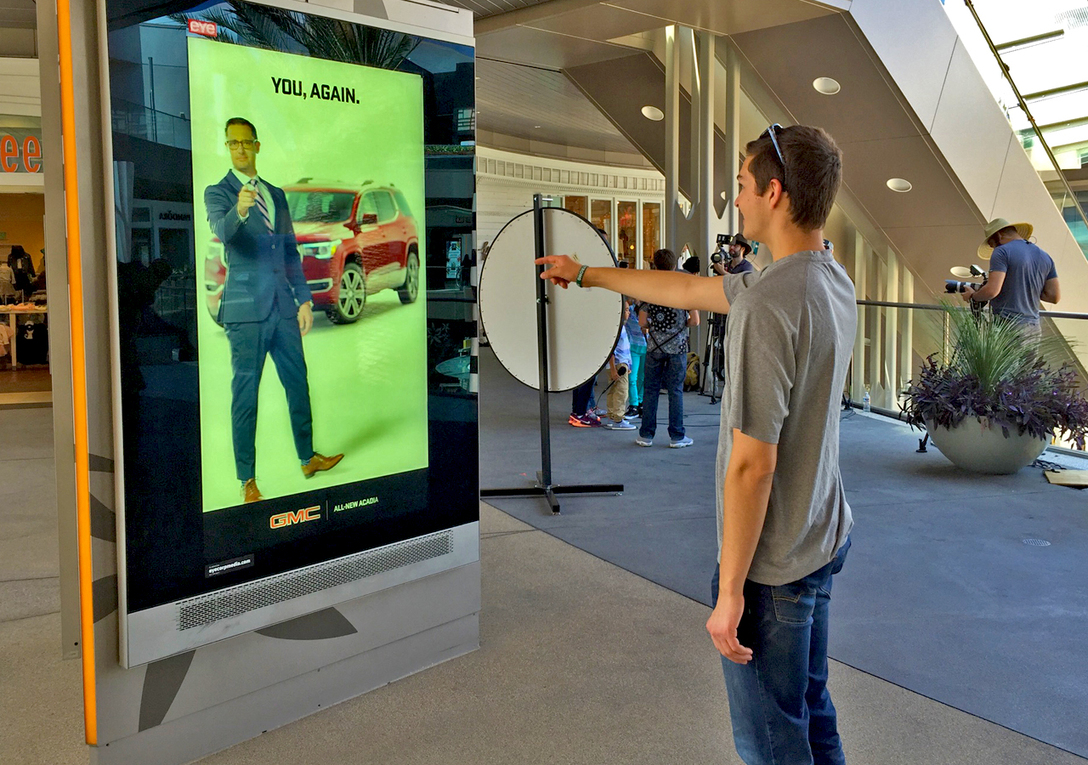
Digital out-of-home (DOOH) advertising is transforming traditional outdoor advertising by combining the scale and visibility of physical media with the flexibility and intelligence of digital technology. As cities become smarter and audiences more mobile, DOOH has emerged as one of the fastest-growing advertising channels worldwide.
This article explains what DOOH advertising is, how it works, where it appears, how it differs from traditional outdoor advertising, and why brands are increasingly investing in it.
Understanding Digital Out-of-Home (DOOH) Advertising
What Does DOOH Mean?
DOOH stands for Digital Out-of-Home advertising.
It refers to advertising that appears on digital screens placed in public or semi-public spaces, such as:
-
City streets
-
Shopping malls
-
Airports
-
Transit stations
-
Office buildings
-
Gyms
-
Retail stores
Unlike traditional printed outdoor ads, DOOH uses digital displays that can show dynamic, rotating, and data-driven content.
How DOOH Fits Into Outdoor Advertising
DOOH is a subset of outdoor advertising (OOH).
-
Outdoor advertising = all ads in public spaces
-
DOOH advertising = digital ads in public spaces
This means every DOOH ad is outdoor advertising, but not all outdoor advertising is DOOH.
How Digital Out-of-Home Advertising Works
DOOH advertising works through a combination of digital screens, content management systems, and data-driven scheduling.
Digital Screens and Displays
DOOH ads are shown on screens such as:
-
LED billboards
-
LCD displays
-
Video walls
-
Interactive kiosks
These screens vary in size from small indoor displays to massive digital billboards.
Content Management Systems (CMS)
DOOH ads are managed through centralized platforms that allow advertisers to:
-
Upload creatives remotely
-
Schedule ads by time or location
-
Rotate multiple ads on one screen
-
Update content instantly
This eliminates the need for physical printing and installation.
Ad Scheduling and Rotation
DOOH screens often show:
-
Multiple advertisers
-
Short ad slots (e.g., 5–10 seconds)
-
Repeated rotations throughout the day
Advertisers pay for exposure frequency, not exclusive ownership of the screen.
Where DOOH Advertising Appears
DOOH advertising exists in a wide range of environments.
Outdoor DOOH Locations
Outdoor DOOH includes:
-
Digital billboards
-
City-center LED screens
-
Roadside digital panels
These reach drivers, pedestrians, and commuters.
Indoor DOOH Locations
Indoor DOOH appears in:
-
Shopping malls
-
Airports
-
Train stations
-
Office buildings
-
Hotels
These environments offer longer dwell times.
Place-Based DOOH Advertising
Place-based DOOH targets specific environments, such as:
-
Gyms
-
Gas stations
-
Elevators
-
Retail checkout areas
Ads are contextually relevant to the audience’s location.
Types of DOOH Advertising Formats
DOOH includes many different formats.
Digital Billboards
Digital billboards are large LED screens typically placed:
-
Along highways
-
In busy urban areas
They deliver high-impact visibility and motion.
Digital Street Furniture
This includes:
-
Digital bus shelters
-
Interactive kiosks
-
Smart city panels
These are positioned at pedestrian eye level.
Retail and In-Store DOOH
Retail DOOH screens appear:
-
At store entrances
-
Near checkout counters
-
In shopping aisles
They influence consumers close to purchase.
Airport DOOH Advertising
Airport DOOH includes:
-
Large video walls
-
Gate-area screens
-
Baggage claim displays
These reach high-income and frequent travelers.
Transit DOOH Advertising
Transit DOOH appears in:
-
Subway stations
-
Train platforms
-
Inside vehicles
It reaches daily commuters with high frequency.
Key Features of DOOH Advertising
Dynamic and Animated Content
DOOH allows:
-
Motion graphics
-
Short video clips
-
Animated text
Movement increases attention and recall.
Real-Time Content Updates
Advertisers can update ads instantly based on:
-
Time of day
-
Location
-
Inventory changes
-
Promotions
This flexibility is impossible with static outdoor ads.
Time-Based Targeting (Dayparting)
DOOH ads can be scheduled for:
-
Morning commuters
-
Lunchtime shoppers
-
Evening crowds
This improves relevance and effectiveness.
Contextual Targeting
DOOH content can adapt to:
-
Weather conditions
-
Traffic levels
-
Local events
For example, ads for hot drinks during cold weather.
Programmatic DOOH Advertising
One of the biggest innovations in DOOH is programmatic buying.
What Is Programmatic DOOH?
Programmatic DOOH allows advertisers to:
-
Buy ad placements automatically
-
Target screens using data
-
Pay per impression (CPM)
It works similarly to digital display advertising.
Benefits of Programmatic DOOH
Programmatic DOOH offers:
-
Flexible budgets
-
Real-time optimization
-
Audience-based buying
-
Improved measurement
This lowers entry barriers for advertisers.
How DOOH Is Bought and Priced
Pricing Models
DOOH can be purchased via:
-
Monthly flat fees
-
Impression-based pricing (CPM)
-
Programmatic auctions
This makes DOOH accessible to different budgets.
Cost Factors
DOOH costs depend on:
-
Screen location
-
Audience volume
-
Time of day
-
Duration
Premium locations cost more but deliver higher reach.
How DOOH Advertising Is Measured
Measurement is one of DOOH’s biggest advantages.
Impressions and Reach
DOOH impressions are estimated using:
-
Traffic data
-
Footfall analytics
-
Mobile location data
This provides more accuracy than traditional OOH.
Engagement Tracking
Some DOOH campaigns use:
-
QR codes
-
Short URLs
-
Mobile retargeting
These bridge offline and online engagement.
Brand Lift Studies
Brand lift studies measure:
-
Awareness increases
-
Recall improvements
-
Purchase intent changes
They help prove campaign impact.
DOOH vs Traditional Outdoor Advertising
Flexibility
DOOH allows instant updates; static outdoor does not.
Creative Capabilities
DOOH supports animation and video; static formats do not.
Measurement
DOOH provides better analytics and attribution options.
Cost Comparison
DOOH may appear more expensive, but:
-
No printing costs
-
More flexibility
-
Better optimization
This often improves efficiency.
Advantages of DOOH Advertising
High Visibility
DOOH screens are bright, dynamic, and eye-catching.
Relevance and Context
Ads can match location, time, and environment.
Omnichannel Integration
DOOH supports:
-
Mobile retargeting
-
Search lift
-
Social media amplification
It works well with digital campaigns.
Scalability
Brands can:
-
Start small
-
Expand across cities
-
Scale nationally
Programmatic buying makes scaling easier.
Limitations of DOOH Advertising
Less Precise Individual Targeting
DOOH targets groups, not individuals.
Creative Constraints
Short ad durations require simple messaging.
Cost in Premium Locations
High-demand screens can be expensive.
Who Uses DOOH Advertising?
DOOH is used by:
-
Retail brands
-
Automotive companies
-
Real estate developers
-
Entertainment and streaming services
-
Technology brands
-
Local businesses
Its flexibility supports many industries.
DOOH for Small vs Large Businesses
Small Businesses
Small businesses can:
-
Use local screens
-
Target specific neighborhoods
-
Control budgets programmatically
DOOH is more accessible than ever.
Large Brands
Large brands use DOOH for:
-
National campaigns
-
Product launches
-
Brand storytelling
Scale and consistency are key benefits.
Real-World Examples of DOOH Advertising
Examples include:
-
Weather-triggered ads
-
Countdown campaigns
-
Location-specific offers
-
Event-based messaging
These demonstrate DOOH’s adaptability.
Future of Digital Out-of-Home Advertising
DOOH continues to evolve.
Key trends include:
-
Smarter data integration
-
AI-driven optimization
-
More interactive screens
-
Increased programmatic adoption
Growth is expected to continue globally.
Why DOOH Matters in Modern Marketing
As consumers spend more time outside the home, DOOH:
-
Reaches people beyond personal screens
-
Avoids ad blockers
-
Reinforces brand presence in the real world
It fills a critical gap in the media mix.
Final Thoughts
Digital out-of-home (DOOH) advertising combines the impact of outdoor advertising with the flexibility and intelligence of digital media. By delivering dynamic, context-aware messages in public spaces, DOOH helps brands stay visible, relevant, and memorable.
As technology improves and buying becomes more accessible, DOOH is no longer just a premium option—it’s a core component of modern advertising strategies.
- Arts
- Business
- Computers
- Juegos
- Health
- Home
- Kids and Teens
- Money
- News
- Personal Development
- Recreation
- Regional
- Reference
- Science
- Shopping
- Society
- Sports
- Бизнес
- Деньги
- Дом
- Досуг
- Здоровье
- Игры
- Искусство
- Источники информации
- Компьютеры
- Личное развитие
- Наука
- Новости и СМИ
- Общество
- Покупки
- Спорт
- Страны и регионы
- World

 English
 Russian
 French
 Portuguese
 Deutsch
 Turkish
 Dutch
Dutch
 Italiano
 Arabic
 Romaian
 Portuguese (Brazil)
 Greek
Greek
