
What Locations Are Best for Outdoor Advertising?
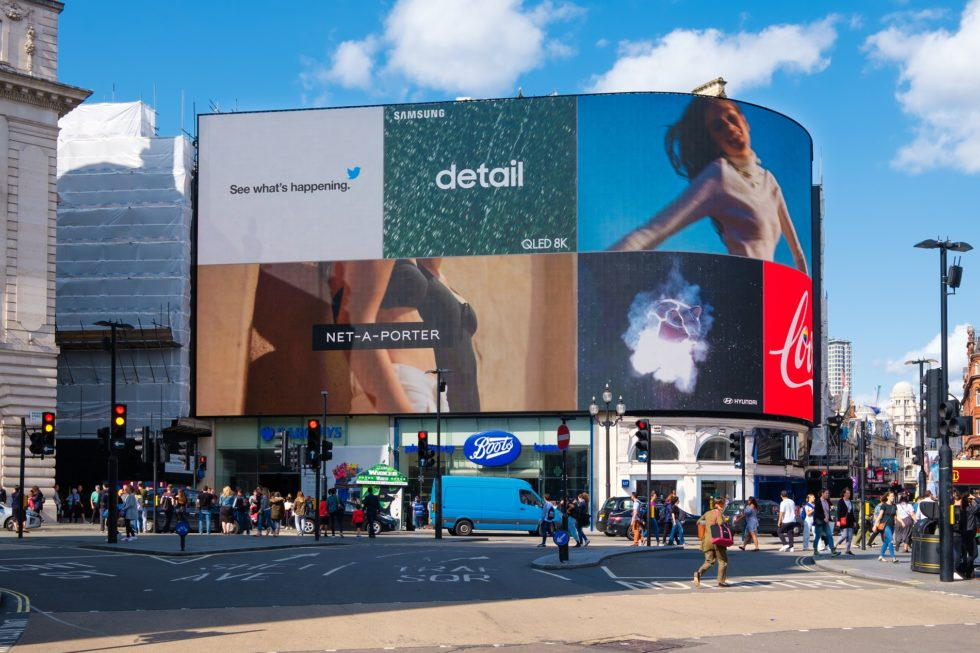
Location is the single most important factor in outdoor advertising success. A great design on the wrong street will underperform, while a simple message in the right place can deliver exceptional results. Choosing the best locations for outdoor advertising requires a strategic balance of traffic volume, audience demographics, and placement context.
This article explains what locations are best for outdoor advertising, how to evaluate them, and how to align placement strategy with campaign goals.
Why Location Matters More Than Creative
Outdoor advertising is location-based by nature. Unlike digital ads, you cannot change who sees an outdoor ad once it’s placed. This makes location selection critical.
The right location ensures:
-
Higher exposure
-
Better relevance
-
Stronger recall
-
Higher return on investment
The Three Core Factors in Outdoor Ad Location Selection
Every strong outdoor placement is evaluated using three core criteria:
-
Traffic volume
-
Audience demographics
-
Placement context
All three must align with campaign objectives.
Traffic Volume: Maximizing Exposure
What Is Traffic Volume?
Traffic volume refers to:
-
The number of people who pass an ad location
-
Daily vehicle traffic (for roads)
-
Pedestrian foot traffic (for walkable areas)
Higher traffic generally means more impressions.
High-Traffic Roadways
Highways and major roads:
-
Deliver large reach
-
Offer repeated commuter exposure
They are ideal for:
-
Brand awareness campaigns
-
Regional or citywide visibility
However, messaging must be very simple due to speed.
Urban Streets With Steady Flow
Busy city streets offer:
-
Moderate speeds
-
Mixed pedestrian and vehicle traffic
These locations balance:
-
Reach
-
Readability
-
Relevance
They are well suited for retail and service businesses.
Pedestrian-Dense Areas
High foot-traffic locations include:
-
Downtown cores
-
Shopping districts
-
Entertainment areas
These allow:
-
Longer viewing times
-
More detailed messaging
They are ideal for street furniture and digital screens.
Demographics: Reaching the Right Audience
Why Demographics Matter
High traffic alone is not enough. The audience must:
-
Match your target customer
-
Be relevant to your product or service
Impressions only matter if they reach the right people.
Residential vs Commercial Areas
Residential Areas
Best for:
-
Local services
-
Grocery stores
-
Healthcare providers
They reach people close to home.
Commercial and Business Districts
Best for:
-
B2B services
-
Financial institutions
-
Restaurants and cafes
They reach professionals and office workers.
Income and Lifestyle Considerations
Certain locations naturally attract:
-
Higher-income audiences
-
Students
-
Tourists
-
Families
Matching location demographics to your offer improves efficiency.
Commuter Patterns and Daily Routines
Targeting Commuters
Commuter routes provide:
-
High repetition
-
Predictable exposure
Ads placed along:
-
Morning inbound routes
-
Evening outbound routes
Deliver strong frequency and recall.
Public Transit Hubs
Transit stations and stops reach:
-
Daily riders
-
Captive audiences
These locations are ideal for:
-
Repeated exposure
-
Brand reinforcement
Placement Context: Environment Matters
Proximity to Point of Sale
One of the most effective strategies is placing ads:
-
Near stores
-
Near dealerships
-
Near venues
This shortens the path from exposure to action.
Directional Placement
Outdoor ads can act as:
-
Wayfinding tools
-
Location reminders
Examples:
-
“Next exit”
-
“2 minutes ahead”
This is especially effective for local businesses.
Competitive Context
Placing ads:
-
Near competitors
-
In category-heavy areas
Can influence choice at the moment of decision.
Best Locations by Outdoor Advertising Format
Billboards
Best placed:
-
Along highways
-
At major intersections
-
Near traffic bottlenecks
They work best for:
-
Simple, bold messaging
-
Brand awareness
Digital Billboards (DOOH)
Best in:
-
City centers
-
High-visibility corridors
They allow:
-
Time-based messaging
-
Contextual relevance
Street Furniture (Bus Shelters, Benches)
Best in:
-
Walkable neighborhoods
-
Retail corridors
-
Residential areas
They target local, nearby audiences.
Transit Advertising
Best in:
-
Subway stations
-
Train platforms
-
Bus routes
They reach:
-
Daily commuters
-
High-frequency audiences
Mall and Retail Center Advertising
Best for:
-
Purchase-driven campaigns
-
Retail promotions
Audiences are already in a shopping mindset.
Airport Outdoor Advertising
Best for:
-
Premium brands
-
Travel-related services
-
B2B and financial products
Airports offer long dwell times and affluent audiences.
Event-Based and Seasonal Locations
Event Venues
Ads near:
-
Stadiums
-
Arenas
-
Concert halls
Reach large, concentrated audiences.
Seasonal Hotspots
Locations near:
-
Beaches
-
Tourist attractions
-
Holiday shopping areas
Perform well during peak seasons.
Local vs Citywide Placement Strategies
Local Campaigns
Local businesses should focus on:
-
A small radius around their location
-
High relevance over high reach
Consistency matters more than scale.
Citywide Campaigns
Citywide campaigns aim for:
-
Broad visibility
-
Market dominance
They require:
-
Multiple locations
-
Coordinated coverage
Balancing Reach and Frequency
Fewer Locations, Longer Duration
Often more effective than:
-
Many locations for short periods
Repetition drives recall.
Avoid Overextending Coverage
Spreading budget too thin reduces:
-
Frequency
-
Impact
Focus on quality placements.
Using Data to Choose the Best Locations
Traffic and Footfall Data
Media owners provide:
-
Traffic counts
-
Pedestrian estimates
These help compare locations objectively.
Mobile Location Data
Advanced tools analyze:
-
Audience movement
-
Visit behavior
-
Demographic patterns
This improves placement accuracy.
Past Campaign Performance
Historical performance data:
-
Reveals strong locations
-
Identifies underperforming areas
Experience matters.
Common Location Selection Mistakes
Choosing Visibility Over Relevance
High traffic doesn’t always mean the right audience.
Ignoring Viewing Angles
Poor angles reduce readability and impact.
Overlooking Obstructions
Trees, buildings, or signage can block visibility.
Not Considering Speed of Traffic
High-speed roads require simpler messaging.
Regulatory and Practical Considerations
Zoning and Restrictions
Some areas restrict:
-
Billboard sizes
-
Digital formats
Always confirm availability and regulations.
Safety and Distraction Rules
Certain locations limit:
-
Animation
-
Brightness
Design must comply with local rules.
How to Evaluate a Location Before Booking
Ask:
-
Who passes this location?
-
How often do they pass it?
-
What is their mindset?
-
Can they clearly see the ad?
-
Is the message relevant here?
If the answers align, the location is strong.
Best Locations Depend on Your Goal
There is no universally “best” location. The best location is the one that aligns with:
-
Your audience
-
Your message
-
Your objective
Strategy always comes before placement.
Final Thoughts
The best locations for outdoor advertising are chosen by balancing traffic volume, audience demographics, and contextual placement strategy. High visibility alone is not enough—relevance and repetition are what drive results.
When advertisers use data, understand audience behavior, and prioritize strategic placement, outdoor advertising becomes one of the most effective ways to influence people in the real world.
- Arts
- Business
- Computers
- Oyunlar
- Health
- Home
- Kids and Teens
- Money
- News
- Personal Development
- Recreation
- Regional
- Reference
- Science
- Shopping
- Society
- Sports
- Бизнес
- Деньги
- Дом
- Досуг
- Здоровье
- Игры
- Искусство
- Источники информации
- Компьютеры
- Личное развитие
- Наука
- Новости и СМИ
- Общество
- Покупки
- Спорт
- Страны и регионы
- World

 English
 Russian
 French
 Spanish
 Portuguese
 Deutsch
 Dutch
Dutch
 Italiano
 Arabic
 Romaian
 Portuguese (Brazil)
 Greek
Greek