
How Do I Start a PPC Campaign?
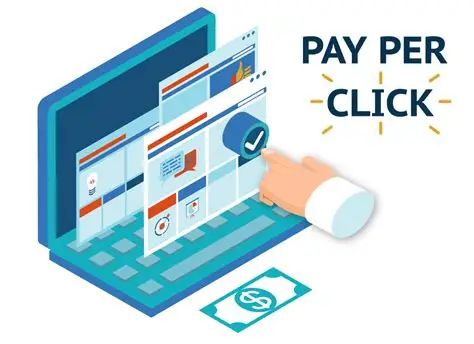
Starting a pay-per-click (PPC) campaign can feel overwhelming, especially for beginners. With multiple platforms, bidding systems, targeting options, and performance metrics to consider, it is easy to make costly mistakes without a clear plan. However, when approached strategically, PPC can become one of the fastest and most reliable ways to generate leads, sales, and brand awareness.
This article provides a step-by-step guide on how to start a PPC campaign, from setting goals and choosing platforms to launching, optimizing, and scaling your ads.
Step 1: Define Your Campaign Goals
Why Goals Matter
Before creating any ads, you must know what you want to achieve. Clear goals guide every decision in your campaign.
Common PPC goals include:
-
Increasing website traffic
-
Generating leads
-
Driving online sales
-
Promoting brand awareness
-
Boosting app downloads
Without defined goals, it becomes impossible to measure success.
Setting SMART Goals
Your PPC goals should be:
-
Specific
-
Measurable
-
Achievable
-
Relevant
-
Time-bound
Example: “Generate 200 leads in 60 days at under $10 per lead.”
Step 2: Choose the Right PPC Platform
Match Platform to Your Audience
Different platforms serve different audiences.
Popular choices include:
-
Google Ads for search intent
-
Facebook and Instagram for discovery
-
LinkedIn for B2B
-
Amazon for ecommerce
Choose platforms based on where your customers spend time.
Start Small
Beginners should focus on one platform first to avoid spreading budgets too thin.
Step 3: Research Your Target Audience
Understand Buyer Personas
Create profiles of your ideal customers:
-
Age
-
Location
-
Interests
-
Income
-
Problems and needs
This improves targeting and messaging.
Analyze Customer Intent
Understand why users are searching or browsing:
-
Informational
-
Commercial
-
Transactional
Targeting high-intent users improves conversions.
Step 4: Conduct Keyword Research (For Search PPC)
Finding Relevant Keywords
Use tools such as:
-
Google Keyword Planner
-
SEMrush
-
Ahrefs
-
Ubersuggest
Look for keywords with strong intent.
Focus on Buyer Keywords
Examples:
-
“Buy running shoes online”
-
“Best CRM software pricing”
-
“Emergency plumber near me”
These indicate readiness to act.
Use Long-Tail Keywords
Long-tail keywords:
-
Are less competitive
-
Cost less
-
Convert better
Example: “Affordable web design for small businesses.”
Step 5: Set Your Budget and Bidding Strategy
Determine Your Budget
Start with a manageable daily budget based on:
-
Profit margins
-
Conversion rates
-
Customer lifetime value
Never spend more than you can afford to lose while testing.
Choose a Bidding Method
Common options include:
-
Manual CPC
-
Maximize clicks
-
Maximize conversions
-
Target CPA
-
Target ROAS
Beginners often start with automated bidding.
Step 6: Create High-Quality Landing Pages
Why Landing Pages Matter
Sending traffic to generic pages reduces conversions. Instead, create focused landing pages.
Good landing pages include:
-
Clear headline
-
Strong value proposition
-
Simple form or checkout
-
Trust signals
-
Fast loading speed
Match Message to Ad
Consistency between ad copy and landing page improves Quality Score and conversion rates.
Step 7: Write Compelling Ad Copy
Key Elements of Effective Ads
Strong PPC ads contain:
-
Attention-grabbing headline
-
Clear benefit
-
Call-to-action
-
Relevant keywords
Example:
“Get Affordable Website Design – Free Consultation Today”
Use Emotional Triggers
Appeal to:
-
Convenience
-
Savings
-
Urgency
-
Security
-
Results
These motivate clicks.
Step 8: Configure Targeting Settings
Location Targeting
Choose:
-
Countries
-
Cities
-
Radius targeting
Local businesses benefit from precise geographic targeting.
Device Targeting
Adjust bids for:
-
Mobile
-
Desktop
-
Tablet
Optimize based on performance.
Demographic and Interest Targeting
Social platforms allow targeting by:
-
Age
-
Gender
-
Interests
-
Behaviors
Use data to refine audiences.
Step 9: Set Up Conversion Tracking
Why Tracking Is Essential
Without tracking, you cannot measure ROI.
Track actions such as:
-
Form submissions
-
Purchases
-
Phone calls
-
Downloads
Tracking Tools
Common tools include:
-
Google Analytics
-
Google Tag Manager
-
Facebook Pixel
-
Platform conversion tags
Accurate tracking enables optimization.
Step 10: Launch Your Campaign
Final Pre-Launch Checklist
Before going live, confirm:
-
Correct URLs
-
Active tracking
-
Proper targeting
-
Approved ads
-
Budget limits
Double-check everything.
Soft Launch Strategy
Start with lower budgets to test performance before scaling.
Step 11: Monitor Performance Daily
Key Metrics to Watch
Monitor:
-
Click-through rate (CTR)
-
Cost per click (CPC)
-
Conversion rate
-
Cost per acquisition (CPA)
-
Return on ad spend (ROAS)
Early monitoring prevents wasted spend.
Identify Problems Quickly
Watch for:
-
High costs
-
Low conversions
-
Irrelevant traffic
Fix issues immediately.
Step 12: Optimize and Improve
A/B Testing
Test variations of:
-
Headlines
-
Images
-
CTAs
-
Landing pages
Continuous testing improves results.
Keyword Optimization
Pause:
-
Low-performing keywords
-
Irrelevant search terms
Add negative keywords regularly.
Audience Refinement
Remove poor-performing segments and expand profitable ones.
Step 13: Scale Winning Campaigns
Increase Budgets Gradually
Scale only after:
-
Stable conversions
-
Profitable CPA
-
Consistent performance
Avoid sudden budget spikes.
Expand Strategically
Scale by:
-
Adding new keywords
-
Launching new campaigns
-
Testing new platforms
Common Beginner Mistakes
Skipping Research
Poor research leads to wasted spend.
Ignoring Landing Pages
Great ads cannot fix bad pages.
Setting and Forgetting
PPC requires constant management.
Overbidding Too Early
High bids without data increase losses.
DIY vs Professional Management
When to Do It Yourself
DIY is suitable when:
-
Budget is small
-
Campaigns are simple
-
Time is available
When to Hire Experts
Consider professionals when:
-
Budgets are large
-
ROI matters greatly
-
Competition is intense
Final Thoughts
Starting a PPC campaign is not about launching ads and hoping for the best. It requires strategic planning, careful execution, continuous monitoring, and ongoing optimization. By following a structured step-by-step process, beginners can minimize risks, control costs, and build profitable advertising systems.
With patience and discipline, PPC can become one of the most powerful growth tools in your digital marketing strategy.
- Arts
- Business
- Computers
- Giochi
- Health
- Home
- Kids and Teens
- Money
- News
- Personal Development
- Recreation
- Regional
- Reference
- Science
- Shopping
- Society
- Sports
- Бизнес
- Деньги
- Дом
- Досуг
- Здоровье
- Игры
- Искусство
- Источники информации
- Компьютеры
- Личное развитие
- Наука
- Новости и СМИ
- Общество
- Покупки
- Спорт
- Страны и регионы
- World

 English
 Russian
 French
 Spanish
 Portuguese
 Deutsch
 Turkish
 Dutch
Dutch
 Arabic
 Romaian
 Portuguese (Brazil)
 Greek
Greek