
How Does Brexit Affect Businesses?
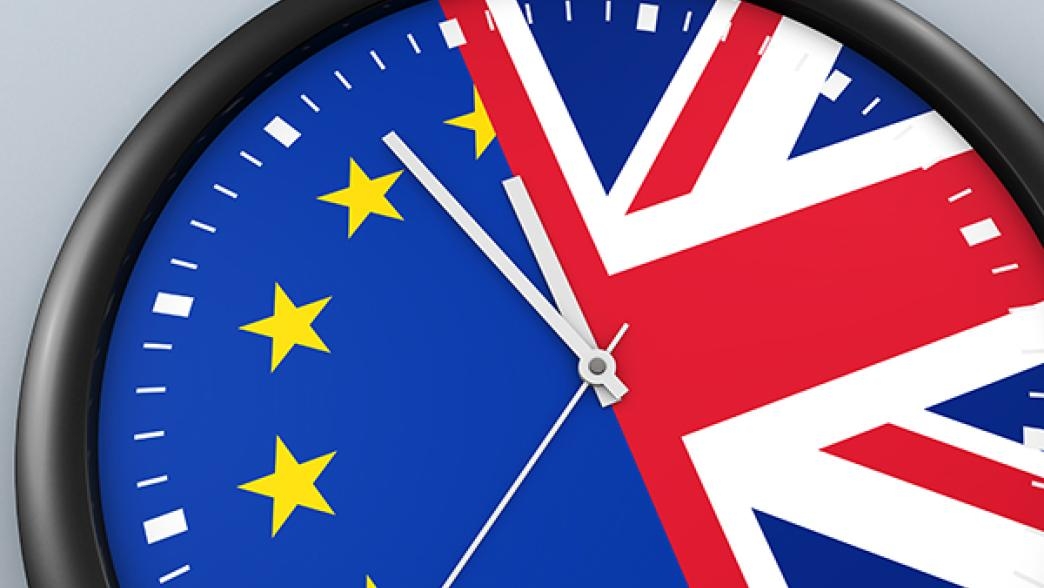
How Does Brexit Affect Businesses?
Costs, Regulation, and Supply Chains Explained
The United Kingdom’s departure from the European Union — widely known as Brexit — was more than a political shift. Since the official exit on January 31, 2020, and the end of the transition period on December 31, 2020, the UK’s economic relationship with the EU changed deeply. For businesses of all sizes, Brexit brought new realities in costs, regulatory landscapes, and supply chain management. This article explains how these changes affect companies, why they matter, and what lessons firms can draw as they navigate a post-Brexit economy.
1. Costs: New and Ongoing Financial Pressures
Tariffs and Customs Duties
One of the most immediate concerns for many businesses was the threat of tariffs — taxes on goods crossing borders. The UK–EU Trade and Cooperation Agreement (TCA) allowed zero tariffs and zero quotas for goods that meet certain rules of origin. That sounds simple, but in practice:
-
Companies must prove that products originated in the UK or EU to qualify for tariff-free trade.
-
Completing origin declarations and paperwork adds administrative time and expense.
-
Mistakes can lead to unexpected tariffs, slower deliveries, and disputes.
For businesses that trade frequently with the EU, this means higher administrative costs and the need for expertise in customs compliance.
Customs and Border Checks
Before Brexit, goods moved freely between the UK and EU. Now, every shipment crossing that border requires customs declarations, safety checks, and documentation. Even with electronic systems, this has increased:
-
Costs for customs brokers and software
-
Training time for staff
-
Delays at ports or terminals
Small and medium-sized enterprises (SMEs) are often hit hardest because they don’t have in-house teams to manage these tasks, meaning extra spend on external services.
Exchange Rate Volatility
Brexit has also made the British pound more sensitive to political and economic news. Exchange rate swings can affect businesses that:
-
Buy imported inputs priced in euros or dollars
-
Sell goods internationally
-
Have revenue and costs in different currencies
A weaker pound makes imports more expensive, while exporters may benefit — but the uncertainty itself is a cost, encouraging firms to hedge currencies or adjust pricing strategies.
2. Regulation: A Diverging Rulebook
Regulatory Autonomy vs. Market Access
After Brexit, the UK regained control over its laws, including business regulations. This allows governments to tailor policies domestically, but it also means the UK and EU no longer share the same rulebook. The consequences vary by sector:
-
Financial services: Passporting rights (automatic access to EU markets) ended, pushing banks and insurers to establish EU-based subsidiaries. UK-based firms now trade under different rules in each jurisdiction.
-
Food and beverages: Standards and labeling requirements can differ. For instance, food safety certifications now may need to meet both UK and EU specifications.
-
Chemicals and pharmaceuticals: Previously governed by shared EU systems (like the EU’s REACH chemical registration), UK businesses now operate under UK REACH and the EU’s separate regime — potentially doubling registration costs.
Data Protection and Digital Rules
The EU’s General Data Protection Regulation (GDPR) was a global gold standard. The UK adopted a version of GDPR into law, and the EU granted the UK an adequacy decision — meaning data can flow freely from the EU to the UK without extra safeguards. However:
-
New UK data laws could diverge over time.
-
Businesses handling EU personal data must stay alert to changes in both legal systems.
Compliance isn’t simply a technicality — breaking data rules can lead to large fines and reputational damage.
Labor and Employment Regulations
Freedom of movement ended with Brexit. EU citizens now need visas to work in the UK, and vice-versa for UK citizens in the EU. This affects:
-
Recruitment: Filling job openings, especially in sectors like hospitality, agriculture, and healthcare.
-
Work permits and sponsorship: New processes increase HR workload and hiring costs.
-
Employee mobility: Short-term business travel between the UK and EU now involves visas or permits in many cases.
These changes add complexity and cost for firms that once relied on a flexible pan-European labor pool.
3. Supply Chains: Complexity and Resilience
Cross-Border Friction
Modern supply chains often span countries and continents. Brexit has added friction to any chain that crosses the UK-EU border:
-
Longer transit times due to customs inspections and documentation checks.
-
Higher inventory costs, as firms hold more stock to cover potential delays.
-
Reconfiguration of routes and suppliers to reduce border crossings.
For example, manufacturers that imported EU-made components into the UK and then exported finished products back face more delays and extra costs now.
Rules of Origin and Supplier Networks
Tariff-free access under the TCA depends on meeting specific “rules of origin.” To qualify:
-
A product must contain a certain proportion of materials from the UK or EU.
-
If a supplier outside this zone provides inputs, the final product may lose tariff-free status, unless the origin rules are met.
Many firms have been reviewing and restructuring supply networks to ensure compliance. This sometimes means switching to more expensive local suppliers — raising costs — or investing in new tracking systems.
Stockpiling and Resilience Planning
Early in the post-Brexit era, fears of delays led to stockpiling inventory at UK warehouses. While this protects against shortages, it also ties up capital and storage space. Some firms learned that lean supply chains — efficient but with low inventory — are now riskier in a world with border friction.
As a result, companies are:
-
Diversifying suppliers across regions
-
Investing in predictive analytics to forecast disruptions
-
Redesigning logistics to reduce dependency on single routes
This shift toward resilience often increases short-term costs but decreases long-term vulnerability.
4. Emerging Business Strategies After Brexit
Brexit didn’t just introduce challenges; it forced businesses to adapt. Here are some key strategic responses:
1. Investing in Compliance and Technology
Automation of customs declarations and regulatory tracking tools helps firms reduce manual errors and speed up trade. Technologies like:
-
Customs management systems
-
Supply chain visibility platforms
-
Trade compliance software
are now essential for companies that trade internationally.
2. Rebalancing Trade Patterns
Some UK businesses are strengthening trade with non-EU markets (e.g., the U.S., Asia, Middle East), especially where new trade agreements offer incentives. This diversification reduces dependency on any single market.
3. Localizing Supply Chains
Where feasible, firms are sourcing more inputs locally — even if they cost more — to avoid added border delays and costs. While not possible for all sectors, localization improves supply chain control.
4. Redesigning Products and Packaging
Products now often carry dual labeling to meet both UK and EU standards. Some companies even segment product lines to streamline compliance and logistics.
5. Which Businesses Are Most Affected?
Manufacturers and Exporters
Firms that rely on cross-border inputs or export significant volumes to the EU are among the most impacted. They face complex customs, tariff planning, and supply chain redesign costs.
Small and Medium Enterprises (SMEs)
SMEs often lack in-house customs expertise. Outsourcing compliance adds costs that larger firms can more easily absorb. For niche exporters and importers, these costs may reduce competitiveness.
Service Providers
While goods have been most visibly affected, services — especially financial, legal, and professional services — face barriers in accessing EU markets, requiring new licenses or local entities within the EU.
6. Opportunities Amid the Challenges
While Brexit created hurdles, it also offers strategic openings:
-
Regulatory autonomy allows the UK to set tailored business rules that may benefit specific industries.
-
New trade deals with countries outside the EU can open fresh markets.
-
Innovation in logistics and compliance solutions has become a growth sector itself.
For forward-looking companies, these changes can become competitive advantages.
Conclusion: A New Business Landscape
Brexit reshaped the way UK businesses interact with Europe. The effects on costs, regulation, and supply chains are real and ongoing:
-
Costs have risen due to customs, compliance, and currency volatility.
-
Regulation now requires firms to manage dual standards and additional legal complexity.
-
Supply chains are less frictionless than before, prompting redesign and resilience strategies.
None of these shifts are merely temporary. They represent structural changes that require long-term planning and investment. For businesses willing to adapt — through technology, strategic diversification, and resilient supply chain design — the challenges of Brexit can be managed and, in some cases, converted into growth opportunities.
If you’re part of a business navigating these changes, focusing on compliance expertise, smart technology adoption, and strategic planning will help you stay competitive in a post-Brexit world.
- Arts
- Business
- Computers
- Games
- Health
- Home
- Kids and Teens
- Money
- News
- Personal Development
- Recreation
- Regional
- Reference
- Science
- Shopping
- Society
- Sports
- Бизнес
- Деньги
- Дом
- Досуг
- Здоровье
- Игры
- Искусство
- Источники информации
- Компьютеры
- Личное развитие
- Наука
- Новости и СМИ
- Общество
- Покупки
- Спорт
- Страны и регионы
- World

 Russian
 French
 Spanish
 Portuguese
 Deutsch
 Turkish
 Dutch
Dutch
 Italiano
 Arabic
 Romaian
 Portuguese (Brazil)
 Greek
Greek