
How Do I Reduce PPC Costs?
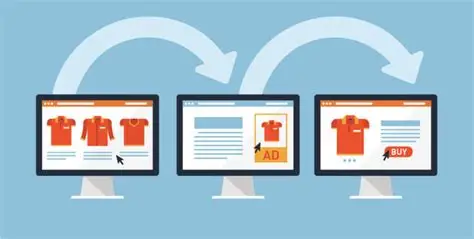
Reducing PPC costs is one of the biggest goals for advertisers at every level. As competition increases and platforms become more sophisticated, cost per click (CPC) and cost per acquisition (CPA) continue to rise in many industries. Without proper cost-control strategies, even well-designed campaigns can become unprofitable.
The good news is that lowering PPC costs does not require sacrificing performance. In most cases, the best way to spend less is to advertise smarter. By improving relevance, targeting, quality, and efficiency, you can achieve more results with the same or smaller budget.
This comprehensive guide explains how to reduce PPC costs, covering practical techniques for lowering CPC, improving conversion rates, reducing waste, and maximizing return on investment.
Understanding PPC Costs
Main Cost Metrics in PPC
Before reducing costs, you must understand what you are paying for.
Key metrics include:
-
CPC (Cost Per Click)
-
CPA (Cost Per Acquisition)
-
CPM (Cost Per 1,000 Impressions)
-
ROAS (Return on Ad Spend)
Each reflects a different aspect of performance.
What Drives PPC Costs?
PPC pricing depends on:
-
Competition
-
Industry demand
-
Keyword intent
-
Quality Score
-
Location
-
Device
-
Seasonality
Highly competitive industries naturally cost more.
Step 1: Improve Quality Score
Quality Score is the most powerful cost-reduction factor.
Higher Quality Score = Lower CPC.
Optimize Keyword Relevance
Group related keywords tightly.
Use SKAGs or themed ad groups.
Improve CTR
Write compelling ads.
Use extensions.
Match user intent.
Enhance Landing Pages
Faster, more relevant pages boost Quality Score.
Step 2: Use Negative Keywords Aggressively
Negative keywords prevent wasted clicks.
Build a Strong Negative List
Exclude:
-
Free
-
Jobs
-
Training
-
DIY
-
Templates
-
Samples
If not relevant.
Review Search Terms Weekly
Identify irrelevant queries.
Add negatives continuously.
Step 3: Focus on High-Intent Keywords
Not all traffic is equal.
Target Buyer Keywords
Examples:
-
Buy
-
Near me
-
Price
-
Quote
-
Hire
-
Best
These convert better.
Reduce Informational Keywords
Avoid terms like:
“How to”
“What is”
“Guide”
Unless part of funnel strategy.
Step 4: Optimize Match Types
Match types control relevance.
Use Exact and Phrase Match
They reduce irrelevant traffic.
Limit Broad Match
Broad match increases waste.
Use only with strong negatives.
Monitor Performance by Match Type
Pause low-performing matches.
Step 5: Improve Conversion Rates
Lower CPA = Lower overall cost.
Optimize Landing Pages
Focus on:
-
Clear headlines
-
Strong CTAs
-
Trust signals
-
Simple forms
Reduce Friction
Remove unnecessary steps.
Speed up checkout.
Simplify forms.
Use A/B Testing
Test continuously.
Small gains compound.
Step 6: Refine Audience Targeting
Targeting irrelevant users wastes money.
Use Demographic Filters
Adjust bids by:
-
Age
-
Gender
-
Income
If data supports it.
Use In-Market Audiences
Target users actively researching.
Apply Remarketing Lists
Past visitors convert cheaper.
Exclude Poor Audiences
Remove low-performing segments.
Step 7: Optimize Geographic Targeting
Location affects costs significantly.
Focus on Profitable Areas
Analyze performance by region.
Increase bids in high-performing zones.
Reduce in weak areas.
Use Radius Targeting
Target areas near your business.
Great for local services.
Exclude Unqualified Locations
Avoid regions you cannot serve.
Step 8: Control Device Spending
Mobile, desktop, and tablet perform differently.
Analyze Device Data
Identify best-performing devices.
Apply Bid Adjustments
Increase bids for strong devices.
Reduce bids for weak ones.
Step 9: Use Smart Bidding Strategically
Automation can reduce costs if used correctly.
Choose the Right Strategy
-
Maximize Conversions
-
Target CPA
-
Target ROAS
Based on goals.
Provide Quality Data
Automation needs accurate tracking.
Fix tracking issues first.
Allow Learning Period
Avoid frequent changes.
Step 10: Optimize Ad Scheduling
Time matters.
Analyze Hourly Performance
Identify peak times.
Schedule Ads Strategically
Run ads during high-conversion periods.
Pause low-performing hours.
Step 11: Improve Ad Copy
Better ads = Higher CTR = Lower CPC.
Highlight Unique Value
Show what makes you different.
Use Emotional Triggers
Trust, urgency, convenience.
Include Offers
Discounts, trials, guarantees.
Step 12: Reduce Wasted Display Spend
Display ads often waste budget.
Use Managed Placements
Target specific sites.
Exclude Poor Placements
Remove low-quality websites.
Limit Mobile App Traffic
Many apps generate accidental clicks.
Exclude them.
Step 13: Optimize Keyword Bids
Manual bid control prevents overspending.
Use Bid Simulators
Estimate impact of changes.
Lower Bids on Poor Performers
Reallocate budget.
Raise Bids Selectively
Only on profitable keywords.
Step 14: Track and Optimize ROI
Always optimize for profit, not clicks.
Monitor CPA and ROAS
Pause unprofitable campaigns.
Allocate Budget Dynamically
Move funds to top performers.
Step 15: Improve Account Structure
Well-structured accounts cost less.
Segment by:
-
Product
-
Service
-
Location
-
Intent
Better relevance lowers costs.
Separate Brand and Non-Brand
Brand keywords are cheaper.
Manage separately.
Step 16: Use Landing Page Personalization
Personalized pages convert better.
Match content to:
-
Keyword
-
Location
-
Audience
Improves engagement.
Step 17: Reduce Click Fraud
Invalid clicks waste budget.
Use Fraud Detection Tools
Examples:
ClickCease, PPC Protect.
Monitor Suspicious Activity
Watch IP patterns.
Step 18: Optimize for Lifetime Value (LTV)
Cheap leads are not always valuable.
Track Customer Value
Focus on profitable users.
Bid Higher for High-LTV Segments
Lower for low-value traffic.
Common Cost-Cutting Mistakes
Cutting Budget Too Much
Starves learning algorithms.
Pausing Good Keywords
Based on short-term data.
Overusing Automation
Without proper control.
Ignoring Landing Pages
Major missed opportunity.
Focusing Only on CPC
CPA and ROAS matter more.
Case Study Example
B2B Company
Before:
-
CPC: $6.80
-
CPA: $140
After optimization:
-
Better structure
-
Negative keywords
-
New landing pages
Results:
-
CPC: $4.10
-
CPA: $85
-
ROI +70%
Long-Term Cost Reduction Strategy
Successful advertisers focus on:
-
Continuous testing
-
Relevance improvement
-
Data accuracy
-
User experience
-
Strategic scaling
Cost reduction is ongoing.
Future of PPC Cost Management
AI Optimization
Smarter bidding systems.
Privacy Changes
More reliance on first-party data.
Value-Based Bidding
Focus on profit, not volume.
Integrated Analytics
Unified performance tracking.
Final Thoughts
Reducing PPC costs is not about spending less—it is about spending better. By improving Quality Score, refining targeting, optimizing landing pages, eliminating waste, and using data intelligently, advertisers can significantly lower CPC and CPA without sacrificing growth.
The most successful PPC campaigns are built on efficiency, not excessive budgets. With consistent optimization and smart strategy, you can turn rising competition into a competitive advantage and achieve long-term profitability.
- Arts
- Business
- Computers
- الألعاب
- Health
- الرئيسية
- Kids and Teens
- مال
- News
- Personal Development
- Recreation
- Regional
- Reference
- Science
- Shopping
- Society
- Sports
- Бизнес
- Деньги
- Дом
- Досуг
- Здоровье
- Игры
- Искусство
- Источники информации
- Компьютеры
- Личное развитие
- Наука
- Новости и СМИ
- Общество
- Покупки
- Спорт
- Страны и регионы
- World

 English
 Russian
 French
 Spanish
 Portuguese
 Deutsch
 Turkish
 Dutch
Dutch
 Italiano
 Romaian
 Portuguese (Brazil)
 Greek
Greek
