
What Is the Best Time to Run Radio Ads?
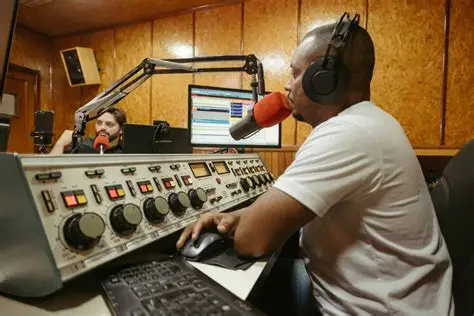
Choosing the right time to run your radio ads is just as important as writing a great script or selecting the right station. Even the most compelling commercial can fail if it airs when your target audience is not listening.
Radio listening patterns follow predictable daily routines. By understanding these habits and aligning your campaign with peak listening periods, you can significantly increase reach, engagement, and return on investment.
This article explains radio dayparts, listener behavior, the pros and cons of each time slot, how to choose the best schedule for your business, and how to optimize performance over time.
Understanding Radio “Dayparts”
Radio advertising time is divided into segments called dayparts.
Each daypart represents a block of time with similar listening behavior.
Standard Radio Dayparts
| Daypart | Time | Description |
|---|---|---|
| Morning Drive | 6 AM – 10 AM | Commute to work/school |
| Midday | 10 AM – 3 PM | Work hours |
| Afternoon Drive | 3 PM – 7 PM | Commute home |
| Evening | 7 PM – 12 AM | Leisure time |
| Overnight | 12 AM – 6 AM | Low activity |
These dayparts form the foundation of radio scheduling.
Why Timing Matters in Radio Advertising
The time your ad airs affects:
-
Who hears it
-
How attentive they are
-
Whether they can act immediately
-
How much you pay
-
How often it runs
A well-timed ad reaches listeners when they are most receptive.
Morning Drive Time (6 AM – 10 AM)
Audience Profile
Morning drive is the most valuable radio time.
Listeners include:
-
Commuters
-
Professionals
-
Parents
-
Students
-
Business owners
People are alert and focused.
Advantages
Highest Audience Size
Largest daily reach.
High Engagement
Listeners actively tune in.
Strong Recall
Morning information sticks.
Immediate Action
People plan their day.
Disadvantages
-
Highest cost
-
Heavy competition
-
Limited inventory
Best Use Cases
-
Auto dealers
-
Coffee shops
-
News-related services
-
Financial services
-
B2B services
Midday (10 AM – 3 PM)
Audience Profile
Midday listeners include:
-
Office workers
-
Retail employees
-
Homemakers
-
Freelancers
-
Remote workers
Listening is more passive.
Advantages
Lower Cost
Cheaper than drive time.
Consistent Reach
Stable audience.
Good for Branding
Supports awareness.
Less Competition
More availability.
Disadvantages
-
Lower attention
-
Fewer commuters
-
Less urgency
Best Use Cases
-
Retail stores
-
Healthcare clinics
-
Restaurants
-
Home services
-
Beauty salons
Afternoon Drive Time (3 PM – 7 PM)
Audience Profile
Similar to morning drive.
Includes:
-
Commuters
-
Parents picking up kids
-
Workers heading home
Energy levels are mixed.
Advantages
Large Audience
Second-highest reach.
Purchase-Oriented
Listeners plan shopping.
High Recall
End-of-day memory.
Strong Response
Good for promotions.
Disadvantages
-
High cost
-
Heavy ad load
Best Use Cases
-
Grocery stores
-
Retail outlets
-
Entertainment venues
-
Fast-food chains
-
Event promoters
Evening (7 PM – 12 AM)
Audience Profile
Evening listeners are more relaxed.
Includes:
-
Young adults
-
Students
-
Night workers
-
Home audiences
Advantages
Affordable
Lower rates.
Niche Targeting
Music and talk formats.
High Loyalty
Dedicated listeners.
Creative Freedom
Less clutter.
Disadvantages
-
Smaller audience
-
Lower response rates
Best Use Cases
-
Entertainment brands
-
Streaming services
-
Gyms
-
Online businesses
-
Youth-oriented products
Overnight (12 AM – 6 AM)
Audience Profile
Small but loyal audience.
Includes:
-
Truck drivers
-
Healthcare workers
-
Security staff
-
Night-shift employees
Advantages
Very Low Cost
Cheapest time slots.
High Frequency
More airtime.
Minimal Competition
Low ad clutter.
Disadvantages
-
Very low reach
-
Limited ROI
Best Use Cases
-
24-hour services
-
Logistics companies
-
Emergency services
-
Late-night restaurants
Matching Time Slots to Business Goals
Brand Awareness
Best Times:
-
Morning drive
-
Afternoon drive
-
Midday
Focus on reach and repetition.
Lead Generation
Best Times:
-
Morning drive
-
Afternoon drive
Listeners can act quickly.
Retail Promotions
Best Times:
-
Afternoon drive
-
Midday
-
Weekend mornings
Supports shopping behavior.
Event Promotion
Best Times:
-
Afternoon drive
-
Evening
-
Weekend slots
Targets leisure planners.
B2B Marketing
Best Times:
-
Morning drive
-
Midday weekdays
Reaches professionals.
Weekday vs Weekend Advertising
Weekdays
-
Higher business listeners
-
Consistent routines
-
Better for B2B
Weekends
-
More leisure listeners
-
Family-oriented
-
Good for retail and entertainment
Weekend Best Times
| Time | Use |
|---|---|
| Morning | Home services |
| Afternoon | Retail |
| Evening | Events |
Seasonal Timing Considerations
Certain seasons affect listening habits.
Summer
-
More travel
-
Longer commutes
-
Higher outdoor activity
Winter
-
More indoor listening
-
Longer drive times
Holidays
-
Increased radio usage
-
Higher ad costs
Plan schedules accordingly.
Frequency vs Prime Time: What Matters More?
Many advertisers assume prime time is always best.
Not always true.
High Frequency Strategy
Run many ads in low-cost slots.
Benefits:
-
Strong recall
-
Lower cost
-
Repetition
Prime Time Strategy
Run fewer ads in peak hours.
Benefits:
-
High reach
-
Prestige
-
Visibility
Best Approach
Combine both.
Example:
-
40% drive time
-
40% midday
-
20% evening
Using Data to Find Your Best Time Slots
Ask stations for:
-
Audience reports
-
Ratings by daypart
-
Demographic breakdowns
Test different slots.
Compare performance.
Tracking Performance by Time Slot
Use:
-
Call tracking
-
Website analytics
-
Promo codes
-
Sales logs
Analyze:
-
Calls by hour
-
Website visits
-
Conversions
Optimize accordingly.
Common Scheduling Mistakes
1. Buying Only Cheap Slots
Low cost ≠ high ROI.
2. Ignoring Audience Fit
High ratings don’t matter if wrong audience.
3. No Testing
Always experiment.
4. Overspending on Drive Time
Balance is key.
5. Inconsistent Scheduling
Gaps weaken memory.
Example Scheduling Plans
Small Restaurant ($800/month)
-
Midday: 40%
-
Afternoon drive: 40%
-
Evening: 20%
Auto Dealer ($5,000/month)
-
Morning drive: 40%
-
Afternoon drive: 40%
-
Midday: 20%
Online Store ($2,000/month)
-
Evening: 50%
-
Midday: 30%
-
Weekend: 20%
Trends Affecting Radio Scheduling
Remote Work
Midday listening is growing.
Podcast Integration
Non-traditional hours matter.
Streaming Audio
Allows personalized scheduling.
Smart Cars
More continuous listening.
Final Thoughts
The best time to run radio ads depends on your audience, objectives, budget, and industry. While morning and afternoon drive times deliver the largest audiences, midday and evening slots often provide better value and higher frequency.
Successful radio advertisers do not rely on assumptions. They analyze listener habits, test different schedules, track performance, and refine their approach over time. By combining peak hours with affordable off-peak slots and maintaining consistent exposure, you can maximize reach, engagement, and return on investment.
With smart scheduling, radio advertising becomes not just a broadcast tool, but a precision-driven marketing channel.
- Arts
- Business
- Computers
- Juegos
- Health
- Home
- Kids and Teens
- Money
- News
- Personal Development
- Recreation
- Regional
- Reference
- Science
- Shopping
- Society
- Sports
- Бизнес
- Деньги
- Дом
- Досуг
- Здоровье
- Игры
- Искусство
- Источники информации
- Компьютеры
- Личное развитие
- Наука
- Новости и СМИ
- Общество
- Покупки
- Спорт
- Страны и регионы
- World

 English
 Russian
 French
 Portuguese
 Deutsch
 Turkish
 Dutch
Dutch
 Italiano
 Arabic
 Romaian
 Portuguese (Brazil)
 Greek
Greek