
How do I develop emotional intelligence?
How Do I Develop Emotional Intelligence?
Emotional intelligence (often called EQ) is the ability to recognize, understand, manage, and influence emotions—both your own and those of others. While intelligence quotient (IQ) reflects cognitive ability, emotional intelligence determines how well you navigate relationships, handle stress, make decisions, and respond to challenges.
The good news is that emotional intelligence is not fixed. It can be developed and strengthened through deliberate practice and self-awareness.
What Is Emotional Intelligence?
Emotional intelligence consists of five core components:
-
Self-awareness
-
Self-regulation
-
Motivation
-
Empathy
-
Social skills
Together, these areas shape how you experience emotions and interact with people.
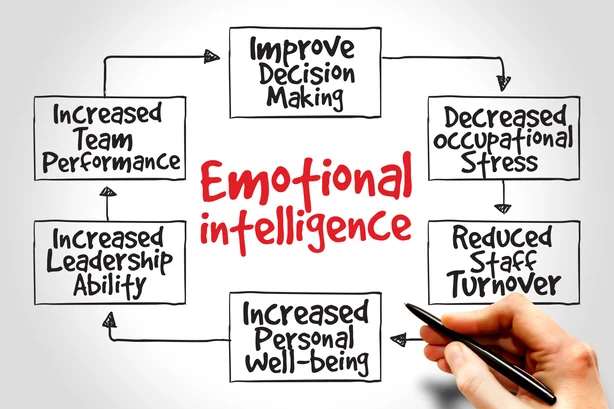
Why Emotional Intelligence Matters
High emotional intelligence helps you:
-
Manage stress effectively
-
Communicate clearly
-
Build stronger relationships
-
Resolve conflict peacefully
-
Make thoughtful decisions
-
Increase leadership ability
Low emotional intelligence often results in misunderstandings, impulsive reactions, and strained relationships.
1. Build Self-Awareness
Self-awareness is the foundation of emotional intelligence.
Ways to develop it:
-
Keep a daily journal
-
Notice emotional patterns
-
Label your emotions accurately
-
Reflect on triggers
-
Ask for honest feedback
Example:
Instead of saying “I’m upset,” try identifying “I feel disappointed” or “I feel anxious.”
Precise language increases clarity.
2. Learn to Pause Before Reacting
Strong emotional intelligence involves choosing your response rather than reacting automatically.
Practice:
-
Take a deep breath
-
Count to five
-
Ask yourself, “What is the best response here?”
This short pause can prevent regretful reactions.
3. Strengthen Self-Regulation
Self-regulation is your ability to manage emotions constructively.
Techniques:
-
Deep breathing
-
Mindfulness or meditation
-
Physical activity
-
Writing emotions down
-
Taking short breaks
The goal is not to suppress emotions, but to express them in healthy ways.
4. Develop Empathy
Empathy is the ability to understand and share another person’s feelings.
Ways to build empathy:
-
Listen without interrupting
-
Ask open-ended questions
-
Try to see situations from others’ perspectives
-
Validate feelings
Example:
“I can see why that situation was frustrating for you.”
Empathy strengthens connection.
5. Improve Your Listening Skills
Emotionally intelligent people listen more than they speak.
Practice:
-
Maintaining eye contact
-
Avoiding distractions
-
Reflecting back what you hear
-
Not planning responses while listening
Good listening signals respect and understanding.
6. Increase Emotional Vocabulary
A richer emotional vocabulary helps you articulate feelings more accurately.
You might explore words like:
-
Overwhelmed
-
Discouraged
-
Relieved
-
Hopeful
-
Resentful
Better words lead to better understanding.
7. Practice Healthy Communication
Emotionally intelligent communication is honest and respectful.
Use “I” statements:
“I feel stressed when plans change suddenly.”
Avoid blame-based language.
8. Manage Stress Effectively
Stress lowers emotional control.
Helpful strategies:
-
Regular exercise
-
Adequate sleep
-
Time management
-
Relaxation techniques
A regulated nervous system supports emotional intelligence.
9. Learn From Difficult Situations
Every emotional challenge is a learning opportunity.
After a conflict, ask:
-
What triggered me?
-
How did I respond?
-
What could I do differently next time?
Reflection turns experience into growth.
10. Practice Consistently
Developing emotional intelligence is ongoing.
Small daily habits compound over time.
Examples:
-
Daily reflection
-
Short mindfulness sessions
-
Conscious listening
Progress is gradual but powerful.
Common Mistakes to Avoid
-
Ignoring emotions
-
Blaming others
-
Expecting instant change
-
Being overly self-critical
Growth requires patience.
Creating a Simple Emotional Intelligence Plan
-
Choose one skill to focus on
-
Practice daily
-
Track progress
-
Adjust as needed
Consistency is more important than intensity.
Final Thoughts
Developing emotional intelligence transforms how you experience yourself and relate to others. It improves communication, strengthens relationships, and enhances overall well-being.
Emotional intelligence is not about controlling emotions—it is about understanding them and using that understanding wisely.
- Arts
- Business
- Computers
- Games
- Health
- Home
- Kids and Teens
- Money
- News
- Personal Development
- Recreation
- Regional
- Reference
- Science
- Shopping
- Society
- Sports
- Бизнес
- Деньги
- Дом
- Досуг
- Здоровье
- Игры
- Искусство
- Источники информации
- Компьютеры
- Личное развитие
- Наука
- Новости и СМИ
- Общество
- Покупки
- Спорт
- Страны и регионы
- World

 Russian
 French
 Spanish
 Portuguese
 Deutsch
 Turkish
 Dutch
Dutch
 Italiano
 Arabic
 Romaian
 Portuguese (Brazil)
 Greek
Greek