
What Is the Difference Between AM and FM Radio Advertising?
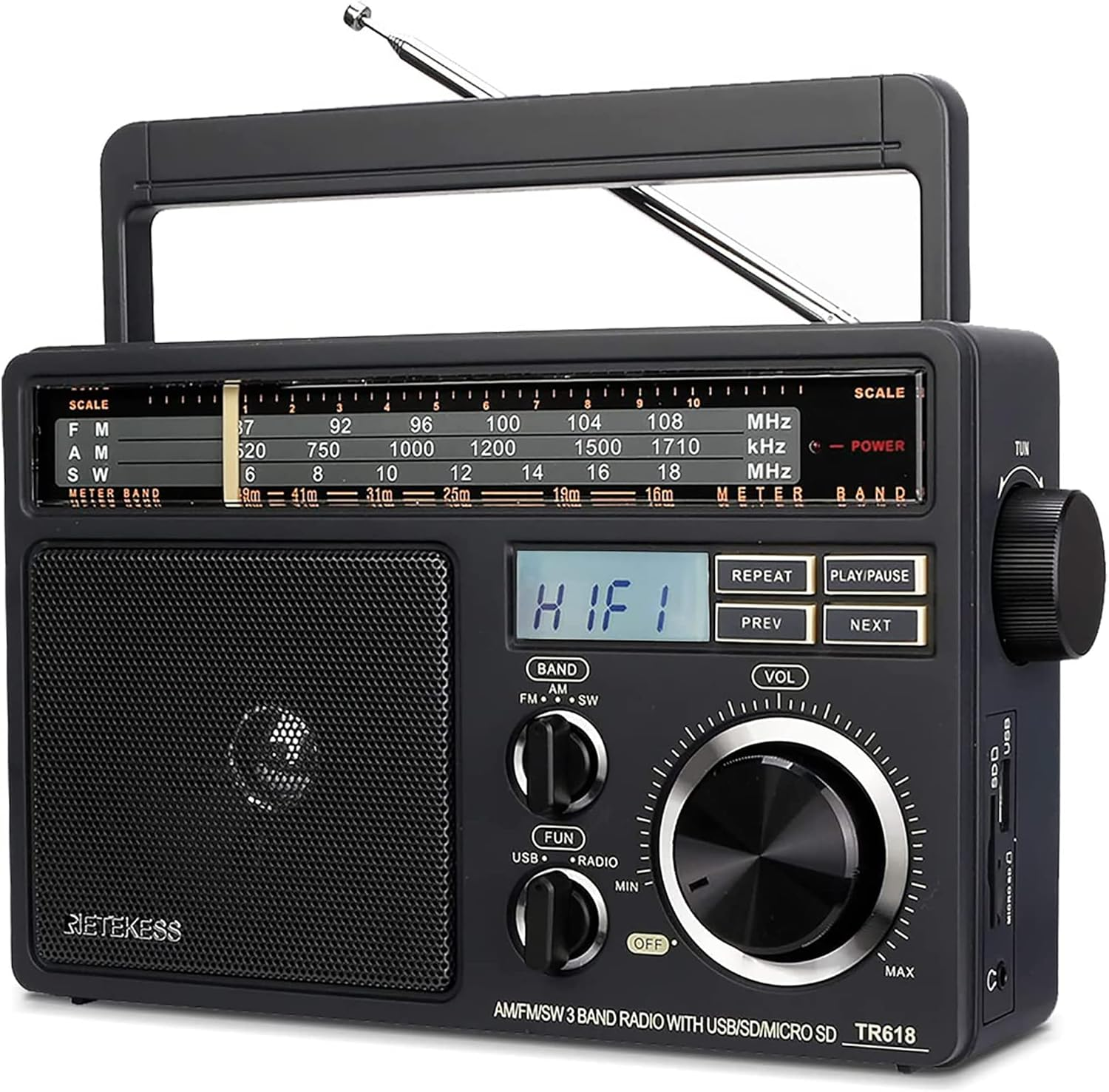
When businesses decide to use radio advertising, one of the first choices they face is whether to advertise on AM stations, FM stations, or both. While both fall under traditional radio broadcasting, AM and FM differ significantly in technology, audience behavior, reach, sound quality, and advertising effectiveness.
Understanding these differences is essential for creating a successful radio campaign. Choosing the wrong band for your audience can reduce impact and waste budget.
This article explains the key differences between AM and FM radio advertising, how each works, and when businesses should use one over the other.
Understanding AM and FM Radio
Before comparing advertising, it is important to understand what AM and FM mean.
What Is AM Radio?
AM stands for Amplitude Modulation.
In AM broadcasting:
-
Sound is transmitted by changing signal amplitude
-
Frequency remains constant
-
Signals travel long distances
-
More vulnerable to interference
AM is the older broadcasting method.
What Is FM Radio?
FM stands for Frequency Modulation.
In FM broadcasting:
-
Sound is transmitted by changing frequency
-
Amplitude remains constant
-
Sound quality is higher
-
Signal range is shorter
FM became popular later due to better audio quality.
1. Coverage and Signal Reach
AM Coverage
AM signals travel very far.
They can:
-
Cover entire states
-
Cross borders
-
Travel hundreds of miles at night
Advantages:
-
Wide regional reach
-
Rural coverage
-
Emergency broadcasting
Disadvantages:
-
Lower signal clarity
FM Coverage
FM signals are shorter-range.
They:
-
Cover cities and suburbs
-
Work best in urban areas
-
Do not travel far at night
Advantages:
-
Strong local coverage
-
Consistent quality
Disadvantages:
-
Limited geographic reach
Advertising Impact
-
AM is better for regional and rural campaigns
-
FM is better for city-based targeting
2. Sound Quality and Listener Experience
AM Sound Quality
AM audio is:
-
Lower fidelity
-
Prone to static
-
Sensitive to weather
-
Affected by electrical noise
This limits music quality.
FM Sound Quality
FM audio is:
-
Clear
-
Rich
-
Stereo
-
Stable
Ideal for music and branding.
Advertising Impact
-
FM ads sound more professional
-
AM ads may sound less polished
For branding, FM has an advantage.
3. Audience Demographics
AM Audience Profile
AM listeners tend to be:
-
Older (40+)
-
News-focused
-
Talk radio fans
-
Politically engaged
-
Business listeners
AM is popular with conservative and talk formats.
FM Audience Profile
FM listeners tend to be:
-
Younger
-
Music lovers
-
Commuters
-
Lifestyle-focused
-
Entertainment-driven
FM dominates among 18–45 age groups.
Advertising Impact
-
AM suits financial, political, and professional services
-
FM suits retail, restaurants, and lifestyle brands
4. Station Formats and Content
AM Station Formats
Common AM formats include:
-
News
-
Talk shows
-
Sports talk
-
Politics
-
Religious programming
Limited music presence.
FM Station Formats
Common FM formats include:
-
Pop
-
Rock
-
Hip-hop
-
Country
-
Jazz
-
Classical
-
EDM
Music dominates.
Advertising Impact
Content affects ad reception.
Ads should match station tone.
5. Advertising Costs
AM Advertising Costs
AM rates are generally lower.
Reasons:
-
Smaller audiences
-
Lower demand
-
Older demographics
This makes AM affordable.
FM Advertising Costs
FM rates are higher.
Reasons:
-
Larger audiences
-
Younger listeners
-
Higher engagement
Prime FM slots are expensive.
Cost Comparison Example
| Band | Typical Cost | Audience Size | Quality |
|---|---|---|---|
| AM | Low | Medium | Low |
| FM | Medium-High | High | High |
6. Audience Engagement Levels
AM Engagement
AM listeners are often:
-
Loyal
-
Opinion-driven
-
Habitual
They listen for content, not entertainment.
FM Engagement
FM listeners are:
-
Emotionally engaged with music
-
Influenced by DJs
-
More responsive to branding
Advertising Impact
FM listeners often respond better to promotions.
AM listeners respond better to informational ads.
7. Brand Image and Perception
AM Brand Association
AM is associated with:
-
Traditional media
-
Serious content
-
Politics
-
Conservative values
This can affect brand image.
FM Brand Association
FM is associated with:
-
Modern lifestyle
-
Entertainment
-
Youth culture
-
Trendiness
This improves brand appeal.
Advertising Impact
Brands seeking modern image prefer FM.
8. Suitability for Different Business Types
Best Businesses for AM
AM works best for:
-
Law firms
-
Financial advisors
-
Insurance agencies
-
Political campaigns
-
Religious organizations
-
News-related brands
Best Businesses for FM
FM works best for:
-
Restaurants
-
Retail stores
-
Gyms
-
Nightclubs
-
Fashion brands
-
Automotive dealers
9. Daypart Performance Differences
AM Daypart Trends
AM performs well during:
-
Morning news hours
-
Talk shows
-
Political programs
Listeners are information-focused.
FM Daypart Trends
FM performs best during:
-
Morning drive
-
Afternoon drive
-
Evenings
Music drives engagement.
Advertising Impact
Scheduling differs by band.
10. Integration with Digital Platforms
AM Digital Presence
Many AM stations have:
-
Podcasts
-
Streaming
-
Talk show clips
Good for content marketing.
FM Digital Presence
FM stations integrate with:
-
Music apps
-
Social media
-
Events
Better for promotions.
11. Measurement and Analytics
AM Measurement
AM relies on traditional ratings.
Limited digital tracking.
FM Measurement
FM often has better digital extensions.
Easier to track campaigns.
12. Long-Term Trends
AM Trends
AM listenership is declining slowly.
Audience is aging.
FM Trends
FM remains stable.
Still dominates broadcast radio.
Digital Competition
Both face competition from streaming.
FM adapts more easily.
13. Combining AM and FM in Campaigns
Hybrid Strategy
Many advertisers use both.
Example:
-
AM for credibility
-
FM for visibility
Market Coverage
Combining bands expands reach.
Budget Balancing
AM saves money, FM boosts impact.
14. Choosing Between AM and FM
Choose AM If You:
-
Target older audiences
-
Offer professional services
-
Want low costs
-
Need regional reach
Choose FM If You:
-
Target younger audiences
-
Want strong branding
-
Promote retail or entertainment
-
Need high engagement
Use Both If You:
-
Want maximum coverage
-
Have moderate budgets
-
Serve diverse customers
15. Future of AM and FM Advertising
Digital Broadcasting
Hybrid digital radio will grow.
Streaming Integration
Stations will expand online.
Data-Driven Advertising
Targeting will improve.
Survival Outlook
FM will dominate longer.
AM will remain niche.
Final Thoughts
AM and FM radio advertising serve different purposes and audiences. AM offers wide reach, lower costs, and strong engagement among older and professional listeners. FM delivers superior sound quality, larger audiences, and stronger branding potential.
The best choice depends on your business goals, target market, and budget. Many successful advertisers combine both bands to maximize reach and effectiveness.
By understanding these differences, businesses can invest more wisely and achieve stronger results from radio advertising.
- Arts
- Business
- Computers
- Giochi
- Health
- Home
- Kids and Teens
- Money
- News
- Personal Development
- Recreation
- Regional
- Reference
- Science
- Shopping
- Society
- Sports
- Бизнес
- Деньги
- Дом
- Досуг
- Здоровье
- Игры
- Искусство
- Источники информации
- Компьютеры
- Личное развитие
- Наука
- Новости и СМИ
- Общество
- Покупки
- Спорт
- Страны и регионы
- World

 English
 Russian
 French
 Spanish
 Portuguese
 Deutsch
 Turkish
 Dutch
Dutch
 Arabic
 Romaian
 Portuguese (Brazil)
 Greek
Greek