
What Is Drive-Time Radio Advertising?
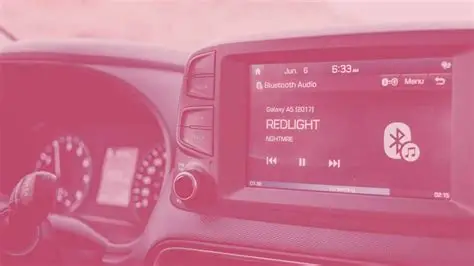
Drive-time radio advertising is considered the most valuable and competitive time slot in radio marketing. It refers to advertising that runs during the hours when most people are commuting to and from work. During these periods, radio listenership reaches its highest levels, making drive time the prime opportunity for advertisers to reach large, attentive audiences.
Because of its high visibility and strong engagement, drive-time advertising often delivers better results than other time slots. However, it also comes with higher costs and greater competition. Understanding how drive-time radio works is essential for businesses that want to maximize their advertising investment.
This article explains what drive-time radio advertising is, why it is important, how it influences listener behavior, and how businesses can use it effectively.
Understanding Drive-Time Radio
What Is Drive Time?
Drive time refers to the peak commuting hours when people travel to and from work or school.
There are two main drive-time periods:
-
Morning Drive: 6:00 AM – 10:00 AM
-
Afternoon Drive: 3:00 PM – 7:00 PM
These hours vary slightly by market but remain consistent worldwide.
Why Drive Time Matters
During drive time:
-
People are in their cars
-
Radio is often the primary audio source
-
Streaming and mobile usage is lower
-
Distractions are limited
This creates ideal conditions for advertising.
Why Drive-Time Is the Most Valuable Radio Slot
Highest Audience Size
Drive-time has the largest number of listeners per hour.
Most people:
-
Listen while commuting
-
Tune in daily
-
Follow routine schedules
This creates consistent exposure.
Strong Habit Formation
Commuters often listen to the same station every day.
This builds:
-
Loyalty
-
Familiarity
-
Trust
Repeated exposure improves ad recall.
Focused Listening Environment
Drivers cannot use phones or screens easily.
Audio becomes the main channel of attention.
This increases ad effectiveness.
Listener Behavior During Drive Time
Morning Drive Behavior
Morning listeners are:
-
Preparing for work
-
Seeking news and traffic
-
Mentally alert
-
Planning their day
They respond well to:
-
Service ads
-
Financial offers
-
Local businesses
-
Breakfast promotions
Afternoon Drive Behavior
Afternoon listeners are:
-
Tired
-
Stress-relieving
-
Thinking about dinner and errands
-
More relaxed
They respond well to:
-
Restaurants
-
Retail offers
-
Entertainment
-
Gyms
Emotional State and Ads
Emotional state influences response.
Happy, relaxed listeners are more receptive.
Types of Drive-Time Programming
Popular Morning Shows
Morning drive often features:
-
Talk shows
-
News segments
-
Traffic updates
-
Comedy bits
These attract loyal audiences.
Afternoon Shows
Afternoon programming focuses on:
-
Music
-
Entertainment
-
Sports recaps
-
Interactive content
This suits promotional ads.
Host Influence
Popular hosts boost ad credibility.
Live reads during drive time are highly effective.
Cost of Drive-Time Advertising
Premium Pricing
Drive-time spots cost more than other slots.
Reasons:
-
High demand
-
Large audience
-
Strong performance
Typical premiums:
-
30%–100% higher than off-peak
Cost Comparison Example
| Time Slot | Relative Cost | Audience Size |
|---|---|---|
| Morning Drive | High | Very High |
| Afternoon Drive | High | High |
| Midday | Medium | Medium |
| Evening | Low | Low |
Budget Planning
Small businesses may use partial drive-time schedules.
Mix with off-peak slots.
Advantages of Drive-Time Advertising
Maximum Exposure
Drive time delivers:
-
High impressions
-
Consistent reach
-
Frequent repetition
Strong Brand Recall
Repeated exposure during routines builds memory.
Local Market Dominance
Drive time helps businesses dominate local awareness.
Faster Results
Campaigns show response quicker.
Disadvantages of Drive-Time Advertising
Higher Costs
Premium pricing may strain budgets.
Increased Competition
Many advertisers compete for slots.
Limited Availability
Top shows sell out quickly.
Clutter Risk
High ad volume may reduce attention.
Best Businesses for Drive-Time Advertising
Ideal Industries
Drive time works best for:
-
Restaurants
-
Retail stores
-
Car dealerships
-
Insurance agencies
-
Banks
-
Gyms
-
Event organizers
Less Suitable Businesses
Less effective for:
-
Niche B2B services
-
Long sales cycles
-
Highly technical products
Creating Effective Drive-Time Ads
Keep Messages Simple
Drivers cannot process complex information.
Use:
-
One main idea
-
Clear offer
-
Simple call-to-action
Emphasize Local Relevance
Mention:
-
Location
-
Landmarks
-
Neighborhoods
This increases trust.
Use Strong Audio Branding
Include:
-
Catchy jingles
-
Memorable voices
-
Sound effects
Build recognition.
Repeat Key Information
Repeat:
-
Business name
-
Phone number
-
Website
At least twice.
Scheduling Strategies for Drive Time
Concentrated Strategy
Focus only on drive time.
Used for:
-
Promotions
-
Events
High impact, high cost.
Balanced Strategy
Mix drive time with other slots.
Most common approach.
Support Strategy
Use drive time as anchor.
Support with midday and evening.
Integrating Drive-Time With Digital Marketing
Cross-Platform Reinforcement
Use drive-time ads to trigger online actions.
Example:
-
Hear ad → Google search → Website visit
Retargeting
Use radio to generate traffic.
Retarget visitors online.
QR and Short URLs
Promote easy-to-remember URLs.
Measuring Drive-Time Performance
Key Metrics
Track:
-
Call volume during commute hours
-
Website traffic spikes
-
Store visits
-
Coupon usage
Attribution Methods
Use:
-
Dedicated phone numbers
-
Custom landing pages
-
Promo codes
Compare Time Slots
Measure drive-time ROI vs off-peak.
Sample Drive-Time Campaign Plan
Small Business Example
Budget: $2,500/month
-
40% morning drive
-
40% afternoon drive
-
20% midday
Duration: 3 months
Mid-Size Business Example
Budget: $7,000/month
-
60% drive time
-
40% other slots
Duration: 6 months
Large Brand Example
Budget: $20,000+/month
-
Dominant drive-time presence
-
Sponsorships
-
Host endorsements
Common Mistakes in Drive-Time Advertising
Mistake 1: Ignoring Budget Limits
Overspending reduces sustainability.
Mistake 2: Overloading Information
Too much detail fails.
Mistake 3: No Creative Updates
Stale ads lose impact.
Mistake 4: Poor Timing
Wrong schedule reduces reach.
Future of Drive-Time Advertising
Continued Relevance
Commuting remains central to daily life.
Drive time will stay valuable.
Integration With Smart Cars
Connected dashboards will enhance targeting.
Hybrid Radio Models
AM/FM + streaming will grow.
Data-Driven Scheduling
Better analytics will optimize placement.
Best Practices for Drive-Time Advertising
-
Use clear, simple messaging
-
Focus on local relevance
-
Combine with digital campaigns
-
Rotate creative every 6–8 weeks
-
Track results carefully
-
Balance cost and coverage
Final Thoughts
Drive-time radio advertising represents the most powerful opportunity in traditional radio marketing. With the largest audiences, habitual listeners, and focused environments, it delivers exceptional visibility and strong brand recall.
While it costs more than off-peak slots, businesses that plan strategically, craft strong messages, and integrate with digital marketing can achieve impressive returns.
When used correctly, drive-time advertising becomes a cornerstone of successful local and regional marketing campaigns.
- Arts
- Business
- Computers
- Spellen
- Health
- Home
- Kids and Teens
- Money
- News
- Personal Development
- Recreation
- Regional
- Reference
- Science
- Shopping
- Society
- Sports
- Бизнес
- Деньги
- Дом
- Досуг
- Здоровье
- Игры
- Искусство
- Источники информации
- Компьютеры
- Личное развитие
- Наука
- Новости и СМИ
- Общество
- Покупки
- Спорт
- Страны и регионы
- World

 English
 Russian
 French
 Spanish
 Portuguese
 Deutsch
 Turkish
 Italiano
 Arabic
 Romaian
 Portuguese (Brazil)
 Greek
Greek
