
How can I improve self-discipline?
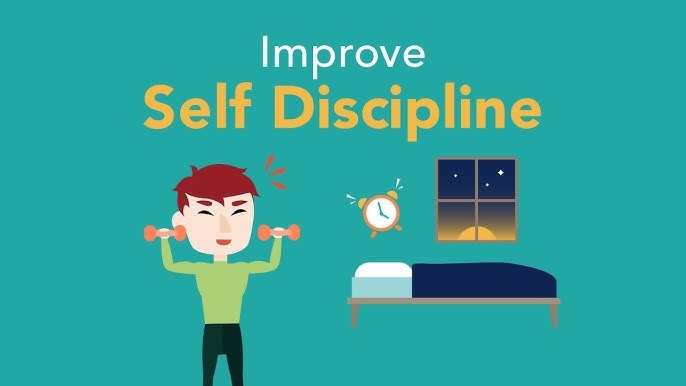
How Can I Improve Self-Discipline?
Self-discipline is the ability to control your impulses, emotions, and behaviors in order to achieve long-term goals. It is one of the most powerful personal development skills because it directly influences productivity, habits, relationships, health, and overall life success. While some people appear naturally disciplined, self-discipline is not a fixed trait—it is a skill that can be trained, strengthened, and refined over time.
This article explores what self-discipline truly means, why it matters, and practical strategies you can use to build stronger self-discipline in everyday life.
Understanding Self-Discipline
Self-discipline is not about punishment or extreme restriction. Instead, it is about choosing what you want most over what you want now. It involves delaying gratification, managing distractions, and acting in alignment with your values even when motivation is low.
Key components of self-discipline include:
-
Self-awareness
-
Emotional regulation
-
Consistency
-
Goal clarity
-
Personal responsibility
When these elements work together, you gain greater control over your actions and decisions.
Why Self-Discipline Matters
Improving self-discipline positively impacts nearly every area of life:
-
Career and education: You complete tasks, meet deadlines, and pursue skill development.
-
Health: You maintain exercise routines, healthy eating habits, and proper sleep schedules.
-
Finances: You save, budget, and avoid impulsive spending.
-
Relationships: You communicate thoughtfully and honor commitments.
-
Mental well-being: You experience greater confidence and reduced stress.
Self-discipline creates stability and builds trust in yourself.
Start with Clear Goals
Self-discipline becomes much easier when you know exactly what you are working toward.
Define Specific Objectives
Instead of vague goals like “be healthier,” choose precise targets:
-
Walk 30 minutes five days per week
-
Read 20 pages each day
-
Save $200 per month
Clear goals provide direction and reduce decision fatigue.
Connect Goals to Meaning
Ask yourself why each goal matters. When goals are tied to personal values—such as freedom, security, or growth—you are more likely to stay committed.
Build Strong Habits
Habits are the foundation of self-discipline. Once a behavior becomes automatic, it requires far less willpower.
Start Small
Begin with tiny, manageable actions:
-
One push-up
-
Five minutes of focused work
-
Drinking one glass of water after waking
Small successes build momentum.
Use Consistency Over Intensity
Doing something consistently at a low level is more powerful than doing it intensely but rarely. Show up every day, even when performance is imperfect.
Anchor New Habits
Attach new behaviors to existing routines:
-
Stretch after brushing your teeth
-
Review goals after breakfast
-
Meditate before bed
This technique increases follow-through.
Manage Your Environment
Willpower is limited. Your surroundings strongly influence your behavior.
Remove Temptations
-
Keep junk food out of the house
-
Block distracting websites
-
Silence unnecessary notifications
Reducing exposure to temptation lowers the effort required to stay disciplined.
Make Good Choices Easy
-
Place workout clothes where you can see them
-
Keep a water bottle on your desk
-
Prepare healthy meals in advance
Design your environment to support success.
Develop Self-Awareness
You cannot change behaviors you do not notice.
Track Your Actions
Use a journal or app to record habits, moods, and productivity. Patterns will become visible over time.
Identify Triggers
Notice what leads to procrastination or impulsive behavior. Common triggers include stress, boredom, fatigue, and social pressure.
Once identified, you can plan alternative responses.
Strengthen Emotional Regulation
Many lapses in discipline occur because of emotional discomfort.
Learn to Sit with Discomfort
Progress often involves temporary discomfort. Instead of escaping it, practice observing the feeling without acting on it.
Use Healthy Coping Strategies
-
Deep breathing
-
Short walks
-
Writing thoughts down
-
Listening to calming music
These tools reduce emotional intensity and prevent impulsive decisions.
Create Structure and Routines
Structure reduces reliance on motivation.
Time Blocking
Assign specific time slots for tasks:
-
Morning: deep work
-
Afternoon: meetings or errands
-
Evening: personal development
Predictability makes discipline easier.
Set Non-Negotiables
Choose a few daily actions that you commit to regardless of mood, such as:
-
Exercise
-
Reading
-
Planning tomorrow
These anchors stabilize your routine.
Practice Delayed Gratification
Training yourself to wait strengthens self-control.
Use the “Pause Rule”
When you feel an impulse, pause for 10 minutes before acting. Often the urge fades.
Reward Progress, Not Avoidance
Celebrate completing disciplined actions rather than rewarding yourself for resisting temptation alone.
Build Accountability
External accountability reinforces internal discipline.
Share Goals
Tell a trusted friend or mentor what you are working toward.
Use Tracking Systems
Checklists, streak calendars, or habit apps provide visual proof of consistency.
Review Weekly
Evaluate what worked, what didn’t, and what adjustments are needed.
Be Compassionate with Yourself
Perfection is not required for discipline to grow.
Expect Setbacks
Everyone slips occasionally. What matters is returning to the habit quickly.
Avoid All-or-Nothing Thinking
One mistake does not erase progress. Treat each moment as a fresh opportunity.
Self-compassion increases resilience and long-term success.
Strengthen Your Identity
Long-lasting self-discipline comes from seeing yourself as a disciplined person.
Instead of saying:
“I’m trying to exercise.”
Say:
“I am someone who prioritizes my health.”
When behaviors align with identity, discipline feels natural rather than forced.
Conclusion
Improving self-discipline is a gradual, lifelong process. It does not rely on constant motivation or harsh self-control, but on clear goals, strong habits, supportive environments, and consistent self-awareness. By starting small, staying consistent, and designing your life around your values, you can steadily build the discipline needed to achieve meaningful, lasting change.
Self-discipline is not about becoming rigid—it is about gaining the freedom to create the life you truly want.
- Arts
- Business
- Computers
- Spiele
- Health
- Startseite
- Kids and Teens
- Geld
- News
- Personal Development
- Recreation
- Regional
- Reference
- Science
- Shopping
- Society
- Sports
- Бизнес
- Деньги
- Дом
- Досуг
- Здоровье
- Игры
- Искусство
- Источники информации
- Компьютеры
- Личное развитие
- Наука
- Новости и СМИ
- Общество
- Покупки
- Спорт
- Страны и регионы
- World

 English
 Russian
 French
 Spanish
 Portuguese
 Turkish
 Dutch
Dutch
 Italiano
 Arabic
 Romaian
 Portuguese (Brazil)
 Greek
Greek
