
Is Radio Advertising Still Relevant in 2026? A Modern Marketing Perspective
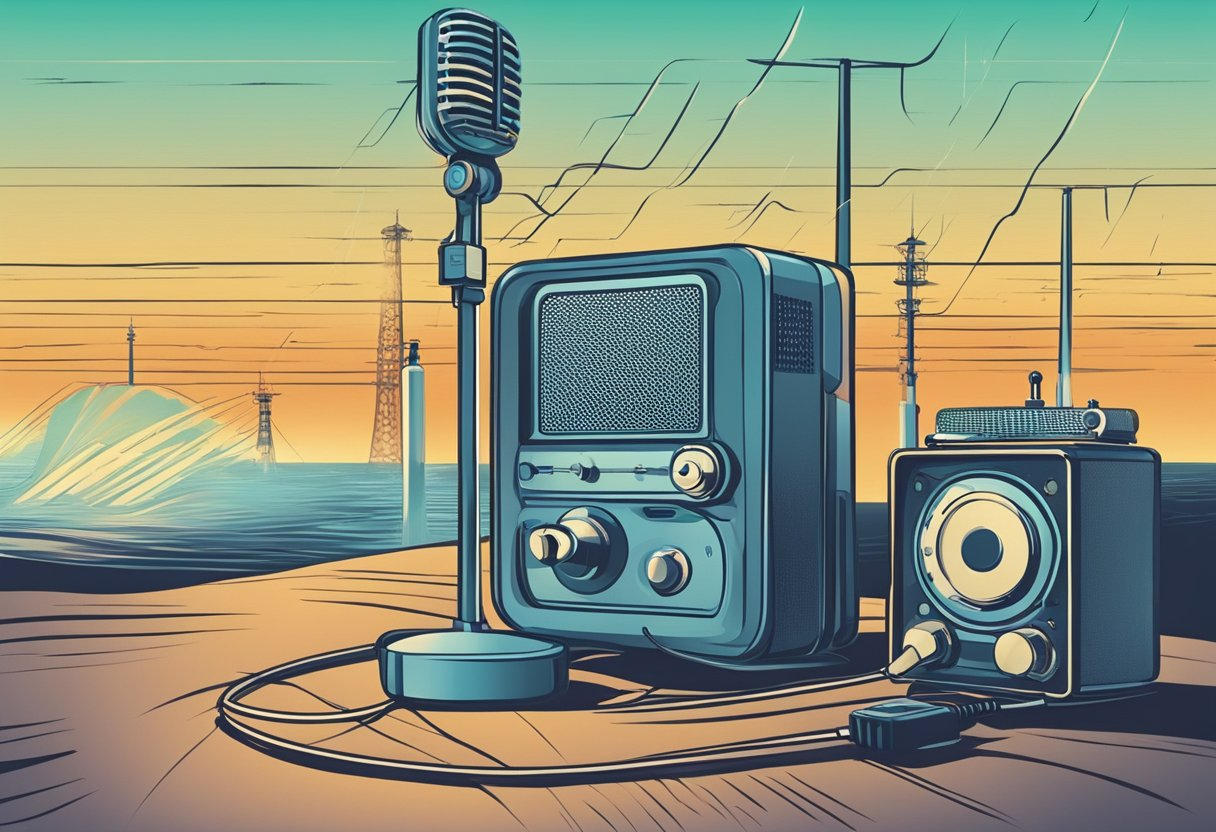
With the rise of social media, streaming platforms, artificial intelligence, and immersive digital experiences, many marketers have questioned the future of traditional media. Among the most debated topics is whether radio advertising still holds value in today’s highly digital environment.
Is radio advertising still relevant in 2026?
Despite predictions of its decline, radio continues to thrive. It has adapted to new technologies, integrated with digital ecosystems, and maintained strong relationships with listeners. Rather than disappearing, radio has evolved into a hybrid audio platform that combines traditional broadcasting with data-driven digital tools.
This article examines the current state of radio advertising, its strengths and weaknesses, its role in modern marketing, and its future outlook.
The Evolution of Radio Advertising
Radio has undergone multiple transformations.
Early Era: Mass Broadcasting
Originally, radio was designed for:
-
National announcements
-
Entertainment
-
News dissemination
-
Public service messaging
Advertising was broad and untargeted.
Commercial Expansion
As markets grew, radio evolved into:
-
Local stations
-
Specialized formats
-
Program sponsorships
-
Regional networks
Advertising became more segmented.
Digital Integration
In the 21st century, radio embraced:
-
Online streaming
-
Mobile apps
-
Smart speakers
-
Programmatic buying
-
Audience analytics
This marked radio’s transition into digital audio.
Current State of Radio in 2026
In 2026, radio exists across multiple platforms:
-
AM/FM broadcasts
-
Internet radio
-
Station apps
-
Automotive infotainment systems
-
Voice assistants
Most major stations now operate hybrid models.
Listeners can tune in through:
-
Cars
-
Smartphones
-
Smart speakers
-
Desktop computers
-
Wearables
Radio is no longer confined to traditional receivers.
Audience Behavior in 2026
Continued High Usage in Vehicles
Cars remain radio’s strongest environment.
Reasons include:
-
Built-in receivers
-
Free access
-
Easy controls
-
Real-time content
Even with streaming options, radio remains dominant in commuting.
Workplace and Background Listening
Many people still use radio as:
-
Office background noise
-
Retail ambiance
-
Home entertainment
This supports steady ad exposure.
Multi-Platform Consumption
Modern listeners often switch between:
-
Live radio
-
Podcasts
-
Streaming playlists
-
News apps
Radio remains part of this ecosystem.
Strengths of Radio Advertising in 2026
1. Massive Reach
Radio continues to reach millions daily.
It remains one of the most accessible media channels.
No subscriptions or logins are required.
2. Local Market Dominance
Radio excels in local advertising.
It supports:
-
Small businesses
-
Community events
-
Local promotions
-
Regional branding
Local stations maintain deep community ties.
3. High Trust and Credibility
Radio hosts build long-term relationships.
Listeners trust familiar voices.
This trust transfers to advertisers.
4. Low Ad Avoidance
Unlike digital ads, radio cannot be blocked easily.
Listeners are exposed even when multitasking.
5. Cost-Effectiveness
Radio offers strong reach at reasonable cost.
It is often cheaper than television and large-scale digital campaigns.
6. Emotional Storytelling
Audio storytelling remains powerful.
Sound stimulates imagination and memory.
Well-produced radio ads create strong brand recall.
Weaknesses and Challenges
1. Competition from Streaming
Platforms like Spotify and YouTube compete for attention.
Younger audiences increasingly use personalized audio.
2. Attribution Limitations
Measuring direct impact remains difficult.
Radio lacks click-based tracking.
3. Perception of Being “Old Media”
Some marketers view radio as outdated.
This perception affects budget allocation.
4. Fragmented Attention
Listeners multitask.
Attention is divided across devices.
Technological Innovations Supporting Radio
Programmatic Audio
Automated buying allows:
-
Real-time optimization
-
Audience targeting
-
Cross-platform campaigns
This brings radio closer to digital advertising.
AI and Data Analytics
AI helps stations:
-
Predict audience behavior
-
Optimize programming
-
Improve ad placement
Advertisers benefit from better insights.
Smart Speaker Integration
Radio stations are available on:
-
Alexa
-
Google Assistant
-
Siri
Voice commands increase accessibility.
Location-Based Targeting
Mobile streaming enables:
-
Geo-fencing
-
Localized messaging
-
Event-based ads
This improves relevance.
Radio’s Role in Modern Marketing Funnels
Top-of-Funnel Awareness
Radio excels at brand exposure.
It builds recognition and familiarity.
Mid-Funnel Engagement
Through repetition and storytelling, radio nurtures interest.
Bottom-of-Funnel Support
With strong CTAs, radio can drive:
-
Website visits
-
Phone calls
-
Store traffic
Retargeting Integration
Radio listeners can be retargeted digitally.
This connects audio and online channels.
Comparing Radio to Emerging Channels
Radio vs Social Media
Social media offers interaction.
Radio offers credibility and consistency.
Both complement each other.
Radio vs Streaming Audio
Streaming offers personalization.
Radio offers community and immediacy.
Radio vs Influencer Marketing
Influencers provide personal branding.
Radio provides institutional trust.
Industries Where Radio Remains Highly Effective
Radio performs especially well in:
-
Automotive sales
-
Healthcare services
-
Legal services
-
Real estate
-
Retail
-
Education
-
Home improvement
-
Hospitality
These industries benefit from local trust.
Case Study: Local Retail Brand
A regional furniture store invested in:
-
Morning drive radio ads
-
Website landing pages
-
Retargeting campaigns
Results:
-
35% increase in foot traffic
-
28% sales growth
-
Improved brand recall
Radio served as the primary awareness driver.
Younger Audiences and Radio
Contrary to popular belief, radio still reaches younger listeners.
Through:
-
Mobile apps
-
Online streams
-
Music programming
-
Social media integration
Stations engage Gen Z and Millennials.
Hybrid formats attract digital-native users.
Sustainability and Longevity
Radio’s sustainability is driven by:
-
Low infrastructure cost
-
Local relevance
-
Public trust
-
Regulatory support
-
Adaptability
These factors ensure long-term viability.
Future Outlook Beyond 2026
Key trends include:
-
Personalized audio ads
-
Interactive voice commerce
-
Cross-media analytics
-
AI-generated audio content
-
Enhanced attribution models
Radio will increasingly resemble digital audio networks.
Strategic Recommendations for Advertisers
To maximize radio effectiveness:
-
Combine radio with digital channels
-
Use data-driven planning
-
Focus on strong creative
-
Implement tracking tools
-
Maintain consistent presence
Radio works best as part of integrated strategies.
Conclusion
Yes, radio advertising is still relevant in 2026—and it remains a powerful component of modern marketing.
Through massive reach, local authority, emotional storytelling, and technological innovation, radio continues to deliver value for advertisers. While it faces competition from digital platforms, it has adapted rather than declined.
Radio’s future lies in hybrid audio ecosystems where traditional broadcasting meets advanced analytics. Businesses that recognize and leverage this evolution will continue to benefit from radio’s enduring influence.
Rather than being outdated, radio in 2026 is resilient, connected, and strategically important.
- Arts
- Business
- Computers
- Παιχνίδια
- Health
- Κεντρική Σελίδα
- Kids and Teens
- Money
- News
- Personal Development
- Recreation
- Regional
- Reference
- Science
- Shopping
- Society
- Sports
- Бизнес
- Деньги
- Дом
- Досуг
- Здоровье
- Игры
- Искусство
- Источники информации
- Компьютеры
- Личное развитие
- Наука
- Новости и СМИ
- Общество
- Покупки
- Спорт
- Страны и регионы
- World

 English
 Russian
 French
 Spanish
 Portuguese
 Deutsch
 Turkish
 Dutch
Dutch
 Italiano
 Arabic
 Romaian
 Portuguese (Brazil)