
What Is Remarketing? A Complete Guide to Re-Engaging Your Audience
In today’s highly competitive digital landscape, most customers do not convert the first time they interact with a brand. They may visit a website, browse products, read content, or download an app—and then leave without taking action. This is where remarketing becomes one of the most powerful tools in modern advertising.
So, what is remarketing?
Remarketing is a strategy that allows businesses to reconnect with people who have already interacted with their brand. By showing targeted ads to previous visitors, subscribers, or customers, remarketing keeps brands top-of-mind and increases the likelihood of conversion.
In 2026, remarketing is driven by advanced data systems, privacy-aware technologies, and cross-platform delivery, making it more effective than ever.
This article explains what remarketing is, how it works, why it matters, its benefits and limitations, and how businesses can use it successfully.
Understanding Remarketing
Remarketing is a form of targeted advertising that focuses on users who have previously engaged with your brand.
This engagement may include:
-
Visiting your website
-
Viewing specific pages
-
Adding items to a cart
-
Downloading an app
-
Watching a video
-
Opening an email
-
Making a purchase
-
Interacting on social media
Instead of targeting new audiences, remarketing focuses on “warm” prospects.
These users already recognize your brand.
Why Remarketing Is Important
Most marketing funnels look like this:
-
Awareness
-
Interest
-
Consideration
-
Conversion
-
Loyalty
Most users exit the funnel before conversion.
Remarketing brings them back.
Key benefits include:
-
Higher conversion rates
-
Lower acquisition costs
-
Improved brand recall
-
Increased lifetime value
-
Better ROI
It maximizes the value of existing traffic.
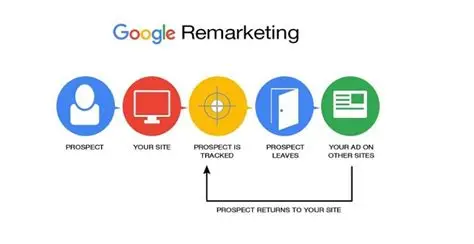
How Remarketing Works: Basic Overview
Remarketing relies on tracking and audience segmentation.
The process usually follows these steps:
-
A user visits your website or app
-
A tracking tool records the visit
-
The user is added to an audience list
-
Ads are shown to the user later
-
The user returns and converts
Tracking is done through cookies, pixels, or device identifiers.
Types of Remarketing
1. Website Remarketing
Targets users who visited your website.
Examples:
-
Homepage visitors
-
Product page viewers
-
Cart abandoners
-
Blog readers
This is the most common form.
2. App Remarketing
Targets users who installed or used your app.
Examples:
-
Inactive users
-
Feature users
-
Trial users
Used widely in mobile marketing.
3. Email Remarketing
Targets people on your email list.
Examples:
-
Opened but didn’t click
-
Abandoned checkout
-
Unresponsive subscribers
Often combined with paid ads.
4. Customer List Remarketing
Uses CRM data.
Targets:
-
Past buyers
-
Leads
-
Subscribers
-
Members
Platforms match email addresses to users.
5. Video Remarketing
Targets users who watched your videos.
Examples:
-
YouTube viewers
-
Social media viewers
-
Webinar attendees
Highly effective for content-driven brands.
6. Search Remarketing (RLSA)
Shows ads to past visitors when they search again.
Used in Google Ads.
Targets high-intent users.
Remarketing Technologies
Cookies
Cookies store information in users’ browsers.
They track:
-
Pages visited
-
Time spent
-
Preferences
Cookies are being phased out in some environments, but still used.
Tracking Pixels
Pixels are tiny code snippets placed on websites.
They send data to advertising platforms.
Examples:
-
Meta Pixel
-
Google Tag
-
LinkedIn Insight Tag
They build remarketing audiences.
Mobile Device IDs
Used in apps.
They track behavior across mobile environments.
First-Party Data
Collected directly from users.
Includes:
-
Email addresses
-
Purchase history
-
Preferences
Becoming increasingly important due to privacy laws.
Audience Segmentation in Remarketing
Not all visitors should see the same ads.
Effective remarketing relies on segmentation.
Common segments include:
-
New visitors
-
Returning visitors
-
Cart abandoners
-
High-value customers
-
Frequent visitors
-
Inactive users
Each segment needs different messaging.
How Remarketing Ads Are Delivered
Remarketing ads appear across multiple channels.
Display Networks
Banner ads on websites and apps.
Social Media Platforms
Ads on:
-
Facebook
-
Instagram
-
TikTok
-
LinkedIn
-
X
Search Engines
Personalized search ads.
Video Platforms
YouTube and streaming services.
Native Advertising Networks
Ads embedded in content.
Creative Strategies for Remarketing
Personalization
Show relevant products and messages.
Example:
“Still thinking about these shoes?”
Dynamic Ads
Automatically display products users viewed.
Used widely in e-commerce.
Sequential Messaging
Show ads in stages.
Example:
-
Reminder
-
Benefit highlight
-
Offer
-
Urgency
Incentives
Use discounts, free shipping, or bonuses.
Social Proof
Include reviews and testimonials.
Benefits of Remarketing
Higher Conversion Rates
Warm audiences convert better.
Cost Efficiency
Lower cost per acquisition.
Improved Brand Recall
Repeated exposure builds familiarity.
Better Customer Retention
Supports loyalty and repeat purchases.
Full-Funnel Support
Works at every funnel stage.
Risks and Challenges
Ad Fatigue
Too many ads cause irritation.
Privacy Concerns
Users worry about tracking.
Data Restrictions
Cookie limitations affect tracking.
Attribution Complexity
Multiple touchpoints complicate measurement.
Best Practices for Remarketing
Set Frequency Caps
Limit ad exposure.
Refresh Creative Regularly
Avoid repetition.
Use Clear Segmentation
Match message to intent.
Combine with Prospecting
Balance new and returning users.
Respect Privacy Rules
Follow regulations and consent policies.
Remarketing in 2026: Key Trends
Privacy-First Remarketing
Shift toward consent-based tracking.
AI-Powered Segmentation
Automated audience modeling.
Contextual Remarketing
Target based on content context.
Cross-Device Tracking
Unified user journeys.
Predictive Remarketing
AI predicts conversion likelihood.
Practical Example
An online clothing store implements remarketing.
Segments:
-
Product viewers
-
Cart abandoners
-
Past buyers
Results:
-
42% conversion increase
-
30% lower CPA
-
25% repeat purchase growth
Remarketing became its top-performing channel.
Integrating Remarketing with Other Strategies
Combine with:
-
Email marketing
-
SMS campaigns
-
Influencer campaigns
-
Loyalty programs
Creates consistent brand experiences.
Common Misconceptions
“Remarketing Is Creepy”
When done respectfully, it feels helpful.
“It’s Only for E-Commerce”
Service businesses benefit too.
“It’s Expensive”
It often saves money.
Conclusion
Remarketing is one of the most effective strategies in modern advertising. By reconnecting with users who already know your brand, it increases conversions, reduces costs, and strengthens customer relationships.
Through cookies, pixels, first-party data, and audience segmentation, remarketing enables personalized, relevant advertising across platforms. In 2026, privacy-first technologies and AI-driven tools are making remarketing more sophisticated and sustainable.
Businesses that master remarketing gain a powerful competitive advantage by turning lost visitors into loyal customers.
- Arts
- Business
- Computers
- Giochi
- Health
- Home
- Kids and Teens
- Money
- News
- Personal Development
- Recreation
- Regional
- Reference
- Science
- Shopping
- Society
- Sports
- Бизнес
- Деньги
- Дом
- Досуг
- Здоровье
- Игры
- Искусство
- Источники информации
- Компьютеры
- Личное развитие
- Наука
- Новости и СМИ
- Общество
- Покупки
- Спорт
- Страны и регионы
- World

 English
 Russian
 French
 Spanish
 Portuguese
 Deutsch
 Turkish
 Dutch
Dutch
 Arabic
 Romaian
 Portuguese (Brazil)
 Greek
Greek