
How Does Remarketing Work? Cookies, Pixels, Audiences, and Ad Delivery Explained
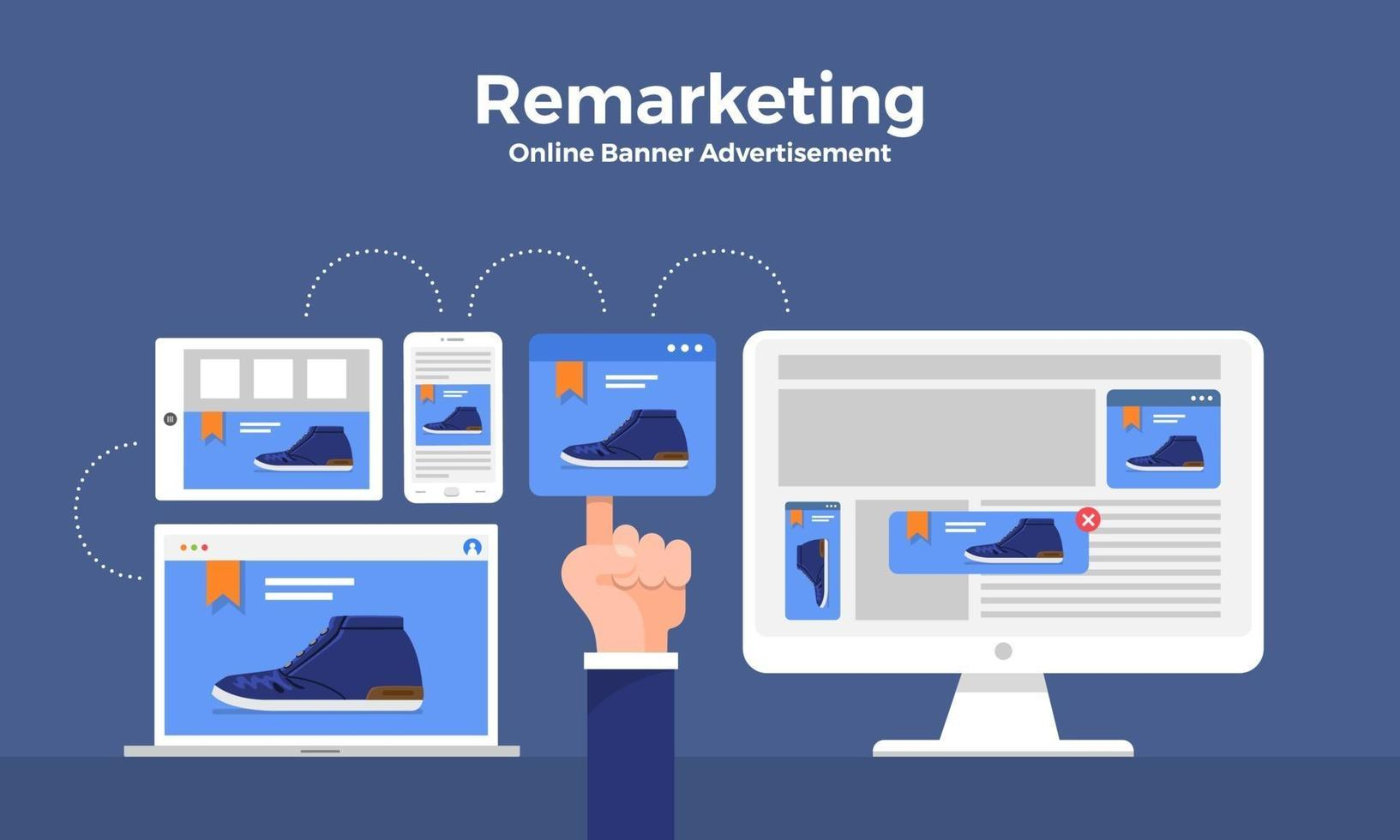
Most people who visit a website, browse products, or read content do not take action immediately. They compare options, get distracted, or simply postpone decisions. Yet, days later, they often see ads from the same brand following them across websites, social media, and apps.
This is not coincidence. It is remarketing in action.
So, how does remarketing work?
Remarketing is powered by a combination of cookies, tracking pixels, audience segmentation, and automated ad delivery systems. Together, these technologies allow advertisers to reconnect with past visitors and guide them back toward conversion.
In 2026, remarketing operates within privacy-focused frameworks and advanced AI systems, making it more sophisticated, ethical, and effective than ever.
This article explains step by step how remarketing works, from data collection to ad delivery and optimization.
Step 1: User Interaction with a Brand
Remarketing begins with user interaction.
This interaction may include:
-
Visiting a website
-
Viewing a product page
-
Reading a blog post
-
Watching a video
-
Using an app
-
Signing up for emails
-
Adding items to a cart
At this stage, the user is anonymous.
No personal identity is required.
What matters is behavior.
Step 2: Tracking Through Cookies and Pixels
What Are Cookies?
Cookies are small text files stored in a user’s browser.
They record information such as:
-
Pages visited
-
Time spent
-
Preferences
-
Session history
Remarketing cookies identify that a browser has visited a website.
They do not usually store personal names or emails.
What Are Tracking Pixels?
Tracking pixels are tiny pieces of code embedded in websites.
When a page loads, the pixel sends information to an advertising platform.
Examples include:
-
Google Tag
-
Meta Pixel
-
LinkedIn Insight Tag
-
TikTok Pixel
Pixels track:
-
Page views
-
Conversions
-
Purchases
-
Button clicks
-
Form submissions
They connect user behavior to ad platforms.
First-Party vs Third-Party Tracking
In 2026, first-party tracking is dominant.
First-party tracking means:
-
Data collected directly by the brand
-
Stored on owned domains
-
Controlled internally
Third-party cookies are increasingly restricted.
Platforms now rely more on consent-based systems.
Step 3: Audience Building
After tracking data is collected, users are grouped into audiences.
This process is automated.
Common Audience Types
All Visitors
Includes everyone who visited the website.
Used for broad remarketing.
Page-Specific Visitors
Includes users who viewed specific pages.
Examples:
-
Pricing page visitors
-
Product viewers
-
Service page readers
Cart Abandoners
Includes users who added products but didn’t buy.
High-intent segment.
Past Customers
Includes buyers and subscribers.
Used for upselling and loyalty.
High-Engagement Users
Includes users who:
-
Stayed long
-
Viewed many pages
-
Watched videos
Often near conversion.
Audience Rules
Advertisers define rules such as:
-
Visited in last 30 days
-
Viewed at least 2 pages
-
Spent over 2 minutes
-
Excluded converters
These rules shape audience quality.
Step 4: Matching Users to Ad Platforms
Once audiences are built, platforms match them to users.
This happens through:
-
Cookies
-
Device IDs
-
Logged-in accounts
-
First-party identifiers
For example:
If a user visits a website and later logs into Facebook on the same device, Meta can match that user to a remarketing audience.
This process is automated and privacy-regulated.
Step 5: Ad Creative Development
Before ads are delivered, creative assets are prepared.
Types of Remarketing Ads
Static Display Ads
Simple banners with text and images.
Dynamic Product Ads
Show products users viewed.
Pulled automatically from catalogs.
Video Ads
Used for storytelling and brand recall.
Native Ads
Blend into content environments.
Social Media Ads
Integrated into feeds.
Personalization in Creative
Modern remarketing ads use dynamic elements.
They may include:
-
Product names
-
Prices
-
Locations
-
Offers
-
User interests
This increases relevance.
Step 6: Automated Ad Delivery
Once audiences and creatives are ready, ad delivery begins.
This happens through real-time bidding systems.
Programmatic Buying
When a user loads a website or app:
-
An ad request is sent
-
Platforms identify the user
-
Remarketing eligibility is checked
-
Advertisers bid
-
The highest bid wins
-
The ad is shown
This process takes milliseconds.
Where Remarketing Ads Appear
Ads can appear on:
-
Websites
-
Mobile apps
-
Social media feeds
-
Video platforms
-
News portals
-
Games
-
Streaming services
This creates cross-platform exposure.
Step 7: Frequency Management
Advertisers control how often ads appear.
This is called frequency capping.
Example:
No more than 5 impressions per user per day.
This prevents ad fatigue.
Step 8: User Response and Conversion
After seeing remarketing ads, users may:
-
Click
-
Visit the site again
-
Make a purchase
-
Sign up
-
Call
-
Ignore
Conversions are tracked through pixels and analytics.
Step 9: Performance Measurement
Remarketing campaigns are continuously measured.
Key metrics include:
-
Impressions
-
Click-through rate (CTR)
-
Conversion rate
-
Cost per acquisition (CPA)
-
Return on ad spend (ROAS)
-
View-through conversions
These metrics guide optimization.
Step 10: Optimization and AI Learning
Modern remarketing uses machine learning.
AI systems:
-
Adjust bids
-
Refine audiences
-
Rotate creatives
-
Predict converters
-
Reduce waste
Campaigns improve over time.
How Cookies, Pixels, and Audiences Work Together
The remarketing system functions as an ecosystem.
-
Cookies identify browsers
-
Pixels record actions
-
Data builds audiences
-
Platforms match users
-
Ads are delivered
-
Responses are tracked
-
AI optimizes performance
Each element supports the others.
Privacy and Consent in Remarketing
User Consent
Most systems require:
-
Cookie consent banners
-
Opt-in forms
-
Privacy policies
Users control tracking.
Data Protection
Platforms enforce:
-
Data anonymization
-
Limited retention
-
Secure storage
-
Transparency
Compliance is essential.
Cookieless Remarketing in 2026
With declining third-party cookies, new methods are emerging.
First-Party Data
Email-based targeting and CRM syncing.
Contextual Remarketing
Targeting based on content context.
Cohort-Based Targeting
Grouping users without identifying individuals.
Server-Side Tracking
Improved data reliability.
Practical Example: E-Commerce Store
An online electronics store uses remarketing.
Process:
-
Visitor views headphones
-
Pixel records activity
-
User added to “Headphone Viewers” audience
-
Dynamic ads show same product
-
User clicks ad
-
Returns and buys
-
Conversion tracked
-
AI optimizes
Result: 38% increase in recovered sales.
Common Mistakes in Remarketing
Poor Segmentation
Showing generic ads to all users.
Overexposure
Annoying users with too many ads.
Weak Creative
Boring or irrelevant ads.
Ignoring Privacy
Non-compliance risks penalties.
No Funnel Strategy
Treating all users the same.
Best Practices for Effective Remarketing
-
Use clear segmentation
-
Prioritize high-intent users
-
Rotate creatives regularly
-
Combine with email and SMS
-
Respect user preferences
-
Analyze performance weekly
Integrating Remarketing into Omnichannel Marketing
Remarketing works best when integrated.
Combine with:
-
SEO
-
Content marketing
-
Email campaigns
-
Influencer marketing
-
Loyalty programs
This creates consistent customer journeys.
Future of Remarketing Technology
Emerging developments include:
-
AI-driven personalization
-
Privacy-safe identifiers
-
Predictive modeling
-
Voice-based remarketing
-
Cross-device ecosystems
Remarketing will become smarter and more user-centric.
Conclusion
Remarketing works through a sophisticated system of cookies, pixels, audience segmentation, and automated ad delivery. By tracking user behavior, grouping similar users, and serving personalized ads across platforms, businesses can re-engage prospects and drive conversions.
In 2026, privacy-first frameworks and AI-powered tools have made remarketing more ethical, accurate, and effective. Brands that understand how these systems work can build powerful, scalable, and sustainable marketing strategies.
When executed correctly, remarketing transforms lost visitors into loyal customers and turns digital touchpoints into long-term value.
- Arts
- Business
- Computers
- Giochi
- Health
- Home
- Kids and Teens
- Money
- News
- Personal Development
- Recreation
- Regional
- Reference
- Science
- Shopping
- Society
- Sports
- Бизнес
- Деньги
- Дом
- Досуг
- Здоровье
- Игры
- Искусство
- Источники информации
- Компьютеры
- Личное развитие
- Наука
- Новости и СМИ
- Общество
- Покупки
- Спорт
- Страны и регионы
- World

 English
 Russian
 French
 Spanish
 Portuguese
 Deutsch
 Turkish
 Dutch
Dutch
 Arabic
 Romaian
 Portuguese (Brazil)
 Greek
Greek