
How Do I Optimize Remarketing Campaigns? A Complete Guide to Improving Performance, ROI, and Conversions
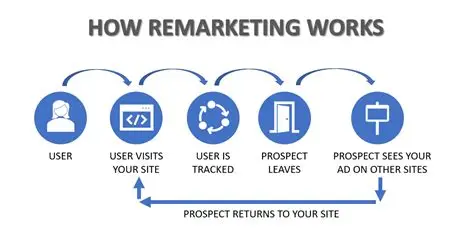
Launching a remarketing campaign is only the first step. The real success comes from continuous optimization—refining targeting, creatives, bidding, and timing to achieve better results over time.
Without optimization, remarketing campaigns quickly become inefficient, repetitive, and expensive. With proper optimization, they become one of the highest-return channels in digital marketing.
Across platforms such as Google Ads, Meta Platforms, Inc., and YouTube, advertisers in 2026 rely heavily on data-driven optimization to stay competitive.
This article explains how to optimize remarketing campaigns step by step, covering audience strategy, creative improvement, bidding techniques, automation, and advanced performance tactics.
Understanding Remarketing Optimization
Remarketing optimization is the ongoing process of improving campaign effectiveness by adjusting key elements based on performance data.
These elements include:
-
Audiences
-
Creatives
-
Bidding strategies
-
Frequency
-
Placements
-
Landing pages
-
Attribution models
Optimization ensures that ads remain relevant, cost-effective, and profitable.
Why Optimization Matters
Well-optimized remarketing campaigns deliver:
-
Higher conversion rates
-
Lower cost per acquisition
-
Improved return on ad spend
-
Better user experience
-
Reduced ad fatigue
-
Stronger customer loyalty
Poor optimization leads to wasted budget and declining results.
Step 1: Build High-Quality Audiences
Optimization begins with audience quality.
Segment by Intent
Create separate audiences for:
-
Homepage visitors
-
Product viewers
-
Cart abandoners
-
Checkout starters
-
Buyers
Higher intent = higher bids.
Segment by Recency
Group users by time since last interaction.
Example:
-
1–3 days
-
4–7 days
-
8–30 days
Recent users convert better.
Segment by Engagement Level
Separate casual visitors from highly engaged users.
Example:
-
10+ page views
-
5+ minutes on site
Step 2: Refine Audience Exclusions
Removing the wrong users improves efficiency.
Exclude:
-
Recent converters
-
Employees
-
Test traffic
-
Unqualified leads
-
Low-quality sources
Exclusions reduce wasted spend.
Step 3: Optimize Creative Assets
Creative quality directly affects performance.
Rotate Creatives Regularly
Replace ads every 2–4 weeks.
Prevents fatigue.
Match Creative to Funnel Stage
| Stage | Creative Focus |
|---|---|
| Awareness | Brand story |
| Consideration | Benefits |
| Decision | Offers |
| Loyalty | Rewards |
Use Dynamic Creatives
Show personalized products and messages.
Improves relevance.
Test Multiple Variations
Change:
-
Headlines
-
Images
-
CTAs
-
Colors
-
Layouts
A/B testing identifies winners.
Step 4: Improve Bidding and Budget Allocation
Use Smart Bidding
Platforms use AI to optimize bids.
Common strategies:
-
Target CPA
-
Target ROAS
-
Maximize Conversions
-
Maximize Value
Smart bidding adapts in real time.
Allocate Budget by Intent
Spend more on high-intent audiences.
Example:
-
Cart abandoners: 40%
-
Product viewers: 30%
-
Visitors: 20%
-
Buyers: 10%
Adjust Bids by Recency
Increase bids for recent users.
Reduce bids for older users.
Step 5: Control Frequency and Exposure
Overexposure reduces performance.
Set Frequency Caps
Recommended ranges:
-
Display: 2–5/day
-
Social: 1–3/day
-
Video: 1–2/day
Rotate Messages
Avoid showing the same ad repeatedly.
Use multiple creatives.
Use Sequencing
Deliver ads in logical order.
Example:
-
Brand
-
Product
-
Offer
Step 6: Optimize Placements
Not all placements perform equally.
Analyze Placement Reports
Identify:
-
Low-converting sites
-
High CPA apps
-
Poor engagement platforms
Exclude underperformers.
Prioritize High-Quality Inventory
Focus on:
-
Premium publishers
-
In-stream video
-
Native placements
Quality improves conversion rates.
Step 7: Improve Landing Pages
Ads cannot outperform poor landing pages.
Optimize pages for:
-
Speed
-
Mobile responsiveness
-
Clear messaging
-
Trust signals
-
Simple forms
-
Easy checkout
Better pages improve remarketing ROI.
Step 8: Use Conversion Tracking and Attribution
Accurate Tracking
Ensure all conversions are tracked properly.
Include:
-
Purchases
-
Leads
-
Calls
-
Downloads
Attribution Models
Test models such as:
-
Data-driven
-
Time decay
-
Position-based
Attribution influences optimization decisions.
Step 9: Apply Automation and AI Tools
Modern platforms rely on automation.
AI supports:
-
Bid optimization
-
Audience expansion
-
Creative testing
-
Fraud detection
-
Budget pacing
Use automation with human oversight.
Step 10: Leverage First-Party Data
First-party data improves targeting accuracy.
Sources include:
-
CRM
-
Email lists
-
Loyalty programs
-
Purchase history
Integrate data into platforms.
Advanced Optimization Strategies
Value-Based Bidding
Optimize for revenue, not just conversions.
Lifetime Value Optimization
Target high-value customers.
Predictive Audiences
Use AI-generated segments.
Cross-Channel Optimization
Coordinate across search, display, social, and email.
Incrementality Testing
Measure true impact.
Example: E-Commerce Optimization Case
An online home goods store implements:
-
Recency segmentation
-
Dynamic creatives
-
Smart bidding
-
Placement exclusions
Results:
-
37% higher ROAS
-
28% lower CPA
-
Improved customer retention
Optimization transformed performance.
Optimization for B2B Remarketing
B2B campaigns focus on:
-
Lead quality
-
Content engagement
-
Long sales cycles
Key tactics:
-
Account-based audiences
-
CRM integration
-
Sales-stage targeting
Privacy and Optimization
Privacy changes affect optimization.
Best practices:
-
Use consent-based tracking
-
Emphasize first-party data
-
Apply server-side tracking
-
Respect opt-outs
Privacy-first optimization builds trust.
Common Optimization Mistakes
-
Optimizing too quickly
-
Ignoring data volume
-
Over-segmenting audiences
-
Relying only on automation
-
Not refreshing creatives
-
Poor tracking setup
Avoiding these improves results.
How Often Should You Optimize?
Recommended schedule:
-
Daily: Monitor performance
-
Weekly: Adjust bids and budgets
-
Monthly: Refresh creatives
-
Quarterly: Review strategy
Consistency is key.
KPIs for Remarketing Optimization
Track:
-
CTR
-
CPA
-
ROAS
-
Conversion rate
-
Frequency
-
Reach
-
Lifetime value
KPIs guide decisions.
The Future of Remarketing Optimization
Emerging trends include:
-
AI-driven creative generation
-
Predictive bidding
-
Privacy-safe modeling
-
Real-time personalization
-
Automated experimentation
Optimization will become more intelligent.
When Optimization Delivers the Best Results
Most effective when:
-
Traffic volume is sufficient
-
Tracking is accurate
-
Creatives are strong
-
Budgets are stable
-
Testing culture exists
Structure supports success.
Conclusion
Optimizing remarketing campaigns is an ongoing process that transforms basic retargeting into a high-performance growth engine. By improving audience quality, refreshing creatives, refining bids, controlling frequency, and leveraging automation, businesses can dramatically increase conversions and ROI.
In 2026, with rising competition and stricter privacy standards, optimization is no longer optional—it is essential. Brands that commit to continuous improvement will outperform those that rely on static campaigns.
Effective remarketing is not about showing more ads. It is about showing better ads to the right people at the right time.
- Arts
- Business
- Computers
- Jocuri
- Health
- Home
- Kids and Teens
- Money
- News
- Personal Development
- Recreation
- Regional
- Reference
- Science
- Shopping
- Society
- Sports
- Бизнес
- Деньги
- Дом
- Досуг
- Здоровье
- Игры
- Искусство
- Источники информации
- Компьютеры
- Личное развитие
- Наука
- Новости и СМИ
- Общество
- Покупки
- Спорт
- Страны и регионы
- World

 English
 Russian
 French
 Spanish
 Portuguese
 Deutsch
 Turkish
 Dutch
Dutch
 Italiano
 Arabic
 Portuguese (Brazil)
 Greek
Greek