
What Is the Difference Between Retargeting and Remarketing? A Complete Guide for Modern Marketers
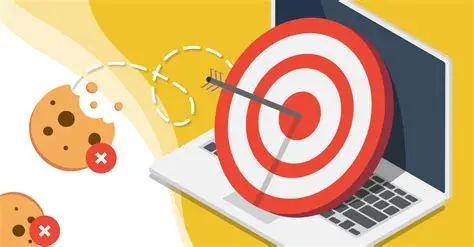
In digital advertising, the terms retargeting and remarketing are often used interchangeably. Many marketers assume they mean the same thing.
In reality, while they are closely related, they are not identical.
Understanding the difference between retargeting and remarketing is essential for building efficient campaigns, reducing wasted spend, and improving customer experience.
Major platforms such as Google Ads, Meta Platforms, Inc., and YouTube support both strategies, but they apply them in different ways.
In 2026, with rising ad costs and tighter privacy rules, using the right approach at the right time has become a competitive advantage.
This article explains what retargeting and remarketing really mean, how they differ, and how to use both effectively.
Basic Definitions
Before comparing the two, it is important to understand their core meanings.
What Is Retargeting?
Retargeting focuses on showing ads to people who have previously interacted with your website, app, or content but did not convert.
It is primarily ad-based.
Examples include:
-
Showing ads to website visitors
-
Targeting cart abandoners
-
Displaying product ads after page visits
-
Reaching users who viewed videos
Retargeting is usually powered by pixels and cookies.
What Is Remarketing?
Remarketing focuses on re-engaging existing contacts and customers using stored data.
It often involves direct communication.
Examples include:
-
Email follow-ups
-
CRM-based ads
-
SMS campaigns
-
Loyalty campaigns
-
Customer reactivation
Remarketing is based on first-party data.
Core Difference at a Glance
| Feature | Retargeting | Remarketing |
|---|---|---|
| Main Focus | Ad-based re-engagement | Relationship-based re-engagement |
| Data Source | Pixels and cookies | CRM and customer data |
| Main Channels | Display, social, video | Email, ads, automation |
| Audience Type | Anonymous visitors | Known users |
| Goal | Convert visitors | Retain customers |
This table summarizes the fundamental distinction.
Historical Background
Origin of Retargeting
Retargeting emerged in the early 2010s with the rise of cookies and display advertising.
It allowed advertisers to:
-
Track visitors
-
Identify intent
-
Reconnect through ads
It revolutionized online advertising.
Origin of Remarketing
Remarketing originated in email marketing and CRM systems.
Businesses used databases to:
-
Contact past buyers
-
Promote repeat purchases
-
Recover inactive users
It existed before digital advertising platforms.
Data Sources: Anonymous vs Identified Users
Retargeting Data
Retargeting relies on:
-
Browser cookies
-
Mobile IDs
-
Device fingerprints
-
Account logins
Most users are anonymous.
The advertiser knows behavior, not identity.
Remarketing Data
Remarketing relies on:
-
Email addresses
-
Phone numbers
-
Customer IDs
-
Purchase history
-
Subscription records
Users are identifiable.
This enables personalization.
Channel Differences
Retargeting Channels
Retargeting mainly operates through paid media:
-
Display networks
-
Social media ads
-
Video platforms
-
Native advertising
-
In-app ads
It follows users across the internet.
Remarketing Channels
Remarketing uses owned communication channels:
-
Email marketing
-
SMS
-
Push notifications
-
CRM ads
-
Loyalty platforms
It communicates directly.
Audience Creation Methods
Retargeting Audiences
Retargeting audiences are built from:
-
Page visits
-
Events
-
Clicks
-
Views
-
App actions
Example:
Users who viewed pricing pages.
Remarketing Audiences
Remarketing audiences are built from:
-
Customer lists
-
Purchase databases
-
Newsletter signups
-
Trial users
-
Loyalty members
Example:
Customers who bought in the last 90 days.
Intent Level Comparison
Retargeting Intent
Retargeting captures early or mid-stage intent.
Examples:
-
Browsing
-
Comparing
-
Researching
-
Considering
Users are still deciding.
Remarketing Intent
Remarketing captures high or post-conversion intent.
Examples:
-
Existing customers
-
Past buyers
-
Subscribers
-
Members
Users already trust the brand.
Conversion Funnel Position
Retargeting in the Funnel
Retargeting operates mainly in:
-
Middle of funnel (MOFU)
-
Bottom of funnel (BOFU)
It pushes users toward conversion.
Remarketing in the Funnel
Remarketing operates in:
-
Post-purchase
-
Retention stage
-
Loyalty stage
It extends lifetime value.
Technology Stack Differences
Retargeting Technology
Retargeting relies on:
-
Pixels
-
Tag managers
-
Cookie systems
-
Real-time bidding
-
Programmatic platforms
It is technically complex.
Remarketing Technology
Remarketing relies on:
-
CRM systems
-
Marketing automation
-
Email platforms
-
CDPs
-
Customer databases
It is data-driven.
Cost Structure Comparison
Retargeting Costs
Retargeting is usually paid media.
Costs include:
-
CPC
-
CPM
-
CPA
-
Platform fees
Budgets must be managed carefully.
Remarketing Costs
Remarketing is usually low-cost.
Costs include:
-
Email software
-
CRM tools
-
SMS fees
-
Staff time
ROI is often higher.
Personalization Capabilities
Retargeting Personalization
Limited to behavioral data.
Examples:
-
Product viewed
-
Category visited
-
Page history
Personalization is automated.
Remarketing Personalization
Based on rich profiles.
Examples:
-
Purchase history
-
Preferences
-
Demographics
-
Usage patterns
Personalization is deeper.
Privacy and Compliance Differences
Retargeting Compliance
Retargeting requires:
-
Cookie consent
-
Tracking permission
-
Transparency notices
It faces more restrictions.
Remarketing Compliance
Remarketing requires:
-
Opt-in consent
-
Data protection policies
-
Secure storage
It involves direct data handling.
Typical Use Cases
When to Use Retargeting
Use retargeting when:
-
Users abandon carts
-
Visitors don’t convert
-
Prospects compare options
-
Traffic is high
-
Sales cycles are long
It recovers lost opportunities.
When to Use Remarketing
Use remarketing when:
-
Customers go inactive
-
Subscriptions expire
-
Repeat purchases matter
-
Loyalty programs exist
-
Upsells are available
It maximizes lifetime value.
Example: E-Commerce Business
Retargeting Use
An online store retargets:
-
Product viewers
-
Cart abandoners
-
Category browsers
With display ads.
Remarketing Use
The same store remarkets:
-
Past buyers
-
VIP customers
-
Newsletter members
With emails and loyalty offers.
Both work together.
Example: SaaS Company
Retargeting
Targets:
-
Trial users
-
Pricing page visitors
-
Webinar attendees
With paid ads.
Remarketing
Targets:
-
Active subscribers
-
Former customers
-
Enterprise leads
With onboarding and renewal campaigns.
Overlap Between Retargeting and Remarketing
In modern platforms, the line is blurring.
Many systems combine both.
Examples:
-
CRM-based ads
-
Customer list retargeting
-
Email-triggered ads
-
Automated journeys
This creates “hybrid remarketing.”
Common Misunderstandings
“They Are Exactly the Same”
They are related, not identical.
“Remarketing Is Only Email”
Remarketing includes ads and automation.
“Retargeting Is Always Better”
It is more expensive and limited.
“Only Big Brands Use Remarketing”
Small businesses benefit greatly.
Strategic Integration: Using Both Together
The best marketers combine both.
Example funnel:
-
Prospecting → New traffic
-
Retargeting → Recover visitors
-
Conversion → Sale
-
Remarketing → Retention
-
Loyalty → Advocacy
Each stage uses different tools.
Best Practices
For Retargeting
-
Segment audiences
-
Control frequency
-
Exclude converters
-
Use dynamic ads
-
Respect consent
For Remarketing
-
Clean CRM data
-
Personalize messages
-
Automate journeys
-
Monitor engagement
-
Maintain compliance
How the Difference Is Evolving in 2026
Modern trends include:
-
First-party data focus
-
Cookieless targeting
-
Unified customer profiles
-
AI-driven segmentation
-
Omnichannel journeys
Retargeting is becoming more “remarketing-like,” while remarketing is becoming more automated.
Advantages of Understanding the Difference
When businesses understand the distinction, they can:
-
Allocate budgets better
-
Improve ROI
-
Reduce customer fatigue
-
Increase retention
-
Improve personalization
Confusion leads to wasted spend.
Choosing the Right Approach
Ask yourself:
-
Do I know the user’s identity? → Remarketing
-
Do I only know behavior? → Retargeting
-
Is the goal conversion? → Retargeting
-
Is the goal retention? → Remarketing
Clear goals guide strategy.
Conclusion
Retargeting and remarketing are closely connected but fundamentally different.
Retargeting focuses on bringing back anonymous visitors through paid ads. Remarketing focuses on nurturing known users through direct communication and data-driven engagement.
In 2026, successful digital marketing is not about choosing one over the other. It is about integrating both into a unified customer journey.
When used together, retargeting drives conversions, and remarketing builds long-term relationships. This combination creates sustainable growth in competitive markets.
- Arts
- Business
- Computers
- Giochi
- Health
- Home
- Kids and Teens
- Money
- News
- Personal Development
- Recreation
- Regional
- Reference
- Science
- Shopping
- Society
- Sports
- Бизнес
- Деньги
- Дом
- Досуг
- Здоровье
- Игры
- Искусство
- Источники информации
- Компьютеры
- Личное развитие
- Наука
- Новости и СМИ
- Общество
- Покупки
- Спорт
- Страны и регионы
- World

 English
 Russian
 French
 Spanish
 Portuguese
 Deutsch
 Turkish
 Dutch
Dutch
 Arabic
 Romaian
 Portuguese (Brazil)
 Greek
Greek
