
What Types of Retargeting Are There? A Complete Guide to Website, App, Search, CRM, and Dynamic Retargeting
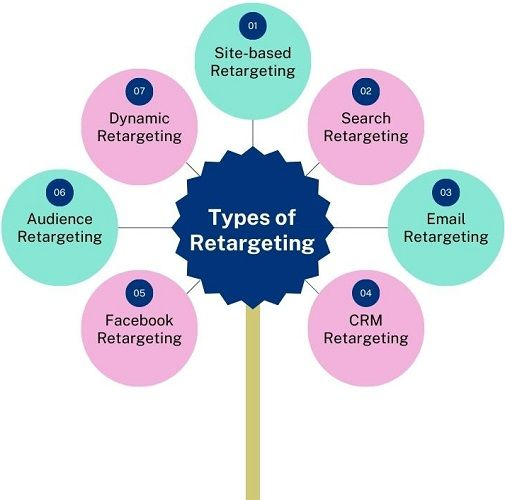
Retargeting is not a single strategy. It is a collection of specialized techniques designed to re-engage users based on how, where, and why they interacted with your brand.
Different user behaviors require different retargeting approaches. A visitor who read a blog post should not see the same ads as someone who abandoned a cart.
Modern platforms such as Google Ads, Meta Platforms, Inc., and YouTube support multiple forms of retargeting to match each stage of the customer journey.
In 2026, successful advertisers combine several retargeting types into a unified, privacy-compliant system.
This article explains the five main types of retargeting, how each works, and when to use them.
Overview of the Main Types of Retargeting
The most widely used retargeting types are:
-
Website retargeting
-
App retargeting
-
Search retargeting
-
CRM / customer list retargeting
-
Dynamic retargeting
Each serves a different strategic purpose.
1. Website Retargeting
What Is Website Retargeting?
Website retargeting shows ads to people who have previously visited your website.
It is the most common form of retargeting.
Tracking is done through:
-
Pixels
-
Cookies
-
First-party identifiers
How Website Retargeting Works
-
User visits your site
-
Pixel records activity
-
User joins an audience
-
Ads appear on other sites and apps
This reconnects lost visitors.
Common Website Retargeting Audiences
-
All visitors
-
Product viewers
-
Pricing page visitors
-
Blog readers
-
Cart abandoners
Each group has different intent.
Best Use Cases
Website retargeting works best for:
-
E-commerce stores
-
Service businesses
-
SaaS platforms
-
Content websites
It covers most industries.
Advantages
-
Easy to set up
-
Large audience pools
-
High flexibility
-
Works across platforms
Limitations
-
Cookie restrictions
-
Smaller audiences
-
Privacy consent issues
2. App Retargeting
What Is App Retargeting?
App retargeting targets users who have installed and used your mobile app.
It focuses on in-app behavior.
How App Retargeting Works
Tracking relies on:
-
SDKs
-
Mobile device IDs
-
App events
Examples of tracked actions:
-
App opens
-
Purchases
-
Level completions
-
Feature usage
Common App Retargeting Audiences
-
Inactive users
-
Non-paying users
-
Trial users
-
High-value users
-
Churn-risk users
Best Use Cases
App retargeting is ideal for:
-
Gaming apps
-
Fintech apps
-
Fitness apps
-
Streaming apps
-
Productivity tools
Advantages
-
Precise behavioral data
-
Strong personalization
-
High engagement potential
Limitations
-
Technical setup
-
Platform restrictions
-
Dependency on SDKs
3. Search Retargeting
What Is Search Retargeting?
Search retargeting targets users based on previous search behavior.
It allows advertisers to modify bids and ads for past visitors when they search again.
This is often called RLSA (Remarketing Lists for Search Ads).
How Search Retargeting Works
-
User visits your site
-
Joins retargeting list
-
Later searches related keywords
-
You show tailored ads
It connects browsing and intent.
Common Search Retargeting Audiences
-
Past visitors
-
Lead form starters
-
Trial users
-
Past buyers
Best Use Cases
Search retargeting works best for:
-
High-consideration products
-
B2B services
-
SaaS subscriptions
-
Financial services
Advantages
-
High purchase intent
-
Strong conversion rates
-
Keyword-level control
Limitations
-
Requires search volume
-
Limited scale
-
Higher CPCs
4. CRM / Customer List Retargeting
What Is CRM Retargeting?
CRM retargeting uses first-party customer data to target known users.
Advertisers upload customer lists to ad platforms.
These lists include:
-
Email addresses
-
Phone numbers
-
Customer IDs
How CRM Retargeting Works
-
Upload hashed data
-
Platform matches users
-
Matched users join audience
-
Ads are delivered
Matching is privacy-protected.
Common CRM Retargeting Audiences
-
Past customers
-
Subscribers
-
Trial users
-
Leads
-
Loyalty members
Best Use Cases
CRM retargeting is ideal for:
-
Subscription services
-
Membership programs
-
SaaS companies
-
Financial institutions
Advantages
-
Highly accurate targeting
-
Strong personalization
-
Privacy-friendly
-
Works without cookies
Limitations
-
Requires clean data
-
Matching rates vary
-
Ongoing maintenance
5. Dynamic Retargeting
What Is Dynamic Retargeting?
Dynamic retargeting automatically shows users the exact products or services they viewed.
Ads are personalized in real time.
How Dynamic Retargeting Works
-
User views product
-
Product ID is tracked
-
Platform matches catalog
-
Personalized ad is generated
-
Ad displays with price and image
Everything is automated.
Common Dynamic Retargeting Formats
-
Product carousels
-
Personalized banners
-
Collection ads
-
Video product ads
Best Use Cases
Dynamic retargeting is ideal for:
-
Online retailers
-
Travel platforms
-
Real estate portals
-
Marketplaces
Advantages
-
High relevance
-
Strong conversion rates
-
Automated scaling
-
Lower manual work
Limitations
-
Technical complexity
-
Feed management
-
Setup costs
Comparison of Retargeting Types
| Type | Data Source | Intent Level | Setup Difficulty | ROI |
|---|---|---|---|---|
| Website | Pixel | Medium–High | Low | High |
| App | SDK | High | Medium | High |
| Search | Search + Pixel | Very High | Medium | Very High |
| CRM | First-party | High | Medium | High |
| Dynamic | Feed + Pixel | Very High | High | Very High |
Each type serves different goals.
Additional Retargeting Variations
Beyond the main five, modern marketers also use:
Engagement Retargeting
Targets:
-
Video viewers
-
Social engagers
-
Email openers
Cross-Device Retargeting
Targets users across devices.
Sequential Retargeting
Delivers ads in stages.
Geo-Retargeting
Targets users by location history.
Predictive Retargeting
Uses AI to identify likely converters.
How to Combine Retargeting Types
The most effective strategies blend multiple types.
Example funnel:
-
Website retargeting → Re-engage visitors
-
Search retargeting → Capture intent
-
Dynamic retargeting → Drive purchase
-
CRM retargeting → Build loyalty
-
App retargeting → Increase retention
This creates full coverage.
Choosing the Right Retargeting Mix
Ask yourself:
-
Do I have high website traffic? → Website
-
Do I run an app? → App
-
Do users research heavily? → Search
-
Do I have customer data? → CRM
-
Do I sell many products? → Dynamic
Your resources determine priority.
Industry-Based Recommendations
E-Commerce
Primary: Dynamic + Website
Secondary: CRM
SaaS
Primary: Search + Website
Secondary: CRM
Mobile Apps
Primary: App
Secondary: Website
B2B Services
Primary: Search + CRM
Secondary: Website
Marketplaces
Primary: Dynamic
Secondary: Website
Common Mistakes with Retargeting Types
-
Using only website retargeting
-
Ignoring CRM data
-
Avoiding dynamic ads
-
Poor segmentation
-
No sequencing strategy
Diversification improves results.
Privacy Considerations by Type
| Type | Privacy Risk | Compliance Focus |
|---|---|---|
| Website | Medium | Cookie consent |
| App | Low | App permissions |
| Search | Low | Platform policies |
| CRM | High | Data security |
| Dynamic | Medium | Data transparency |
Compliance must be managed.
Future of Retargeting Types
By 2028, expect growth in:
-
AI-driven hybrid retargeting
-
Consent-based personalization
-
On-device processing
-
Zero-party targeting
-
Unified identity systems
Traditional silos will disappear.
Best Practices
-
Start simple
-
Add complexity gradually
-
Maintain clean data
-
Test combinations
-
Monitor overlaps
-
Optimize continuously
-
Respect privacy
Balanced systems perform best.
Conclusion
Retargeting is not a one-size-fits-all tactic. Website, app, search, CRM, and dynamic retargeting each play a unique role in guiding users through the buying journey.
In 2026, the most successful advertisers use multiple retargeting types together, supported by strong first-party data and intelligent automation. By matching the right retargeting method to each audience segment, businesses maximize relevance, improve conversions, and build long-term customer relationships.
Understanding these different types is the foundation of advanced, profitable digital marketing.
- Arts
- Business
- Computers
- Games
- Health
- Home
- Kids and Teens
- Money
- News
- Personal Development
- Recreation
- Regional
- Reference
- Science
- Shopping
- Society
- Sports
- Бизнес
- Деньги
- Дом
- Досуг
- Здоровье
- Игры
- Искусство
- Источники информации
- Компьютеры
- Личное развитие
- Наука
- Новости и СМИ
- Общество
- Покупки
- Спорт
- Страны и регионы
- World

 Russian
 French
 Spanish
 Portuguese
 Deutsch
 Turkish
 Dutch
Dutch
 Italiano
 Arabic
 Romaian
 Portuguese (Brazil)
 Greek
Greek