
How Long Should Retargeting Ads Run? A Complete Guide to Campaign Duration and Learning Periods
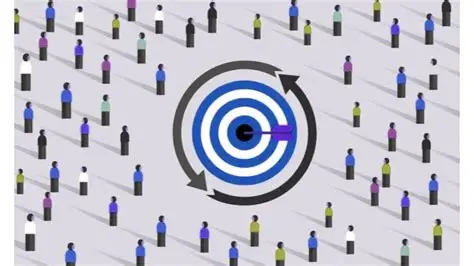
One of the most common questions in retargeting is not about targeting or creative, but timing. Even the best-designed retargeting campaign can fail if it runs for too short a time—or too long without optimization.
Running ads for the right duration allows platforms to collect enough data, complete their learning phases, and deliver consistent performance. Ending campaigns too early often wastes budget, while letting them run indefinitely can lead to fatigue and declining returns.
In 2026, platforms such as Google Ads, Meta Platforms, Inc., and YouTube use advanced machine learning systems that require sufficient time to optimize effectively.
This article explains how long retargeting ads should run, how learning periods work, and how to manage campaign timelines for maximum ROI.
Understanding Retargeting Campaign Duration
What Is Campaign Duration?
Campaign duration refers to how long a retargeting campaign remains active before it is paused, stopped, or restructured.
This includes:
-
Initial launch period
-
Learning phase
-
Optimization phase
-
Scaling phase
-
Maintenance phase
Each stage requires time to develop.
Why Duration Matters
Campaign length affects:
-
Algorithm performance
-
Audience saturation
-
Conversion rates
-
Budget efficiency
-
Creative effectiveness
Incorrect timing is a major cause of poor results.
Short-Term vs Long-Term Campaigns
| Type | Duration | Purpose | Risk |
|---|---|---|---|
| Short-term | 3–14 days | Promotions, launches | Limited data |
| Medium-term | 30–90 days | Funnel optimization | Moderate fatigue |
| Long-term | 6+ months | Evergreen retargeting | Creative burnout |
Most successful programs use a combination.
The Learning Period Explained
What Is the Learning Phase?
The learning phase is the period when an ad platform’s algorithm gathers data to optimize delivery.
During this time, the system tests:
-
Different audiences
-
Placements
-
Bids
-
Creatives
-
Timing
Performance is often unstable.
How Learning Works
Platforms analyze:
-
Who clicks
-
Who converts
-
When users engage
-
Which creatives perform
Based on this, delivery is refined.
Typical Learning Period Length
| Platform Type | Learning Period |
|---|---|
| Display/Social | 5–14 days |
| Search | 7–21 days |
| Video | 10–21 days |
| Dynamic Ads | 7–30 days |
Length depends on data volume.
Minimum Data Requirements
Most platforms need:
-
30–50 conversions per ad set per week
-
Consistent traffic
-
Stable budgets
Without this, learning may never complete.
Phases of a Retargeting Campaign
Phase 1: Launch (Days 1–7)
Focus:
-
Data collection
-
Basic testing
-
Audience validation
Expect volatility.
Phase 2: Learning (Weeks 1–3)
Focus:
-
Algorithm optimization
-
Performance stabilization
-
Creative comparison
Avoid major changes.
Phase 3: Optimization (Weeks 3–8)
Focus:
-
Bid adjustments
-
Audience refinement
-
Creative rotation
Performance improves.
Phase 4: Scaling (Months 2–6)
Focus:
-
Budget increases
-
Expansion
-
Automation
ROI peaks here.
Phase 5: Maintenance (Ongoing)
Focus:
-
Fatigue management
-
Refresh cycles
-
Monitoring
Prevents decline.
Recommended Campaign Durations by Objective
Abandoned Cart Campaigns
Recommended: 7–21 days
Reason: High urgency, fast decisions.
Lead Nurturing Campaigns
Recommended: 30–90 days
Reason: Longer decision cycles.
Brand Re-Engagement
Recommended: 60–180 days
Reason: Relationship rebuilding.
Subscription Renewal
Recommended: 14–45 days
Reason: Time-sensitive offers.
Upsell and Cross-Sell
Recommended: 30–120 days
Reason: Post-purchase behavior patterns.
How Audience Size Affects Duration
Small Audiences (<1,000 users)
-
Require longer durations
-
Slower learning
-
Limited scaling
Recommended: 60–120 days
Medium Audiences (1,000–10,000 users)
-
Balanced performance
-
Stable optimization
Recommended: 30–90 days
Large Audiences (10,000+ users)
-
Fast learning
-
Higher saturation risk
Recommended: 14–60 days with rotation
The Role of Frequency in Duration
Frequency measures how often users see your ads.
High frequency shortens effective campaign life.
| Frequency | Impact |
|---|---|
| 1–3 | Healthy |
| 4–6 | Moderate fatigue |
| 7+ | Strong fatigue |
As frequency rises, returns fall.
When to End or Restart a Campaign
Signs a Campaign Should End
-
Declining conversion rate
-
Rising CPA
-
High frequency
-
Low engagement
-
Creative fatigue
These indicate saturation.
When to Restart
Restart when you:
-
Add new creatives
-
Change audiences
-
Adjust bids
-
Introduce new offers
This resets learning.
Evergreen Retargeting Campaigns
What Are Evergreen Campaigns?
Evergreen campaigns run continuously with regular optimization.
They are used for:
-
Core website visitors
-
Cart abandoners
-
Content readers
How to Maintain Evergreen Performance
-
Rotate creatives every 30–45 days
-
Refresh audiences monthly
-
Monitor frequency weekly
-
Adjust budgets quarterly
Proper maintenance prevents decay.
Seasonal and Promotional Campaigns
Limited-Time Offers
Recommended: 5–21 days
Examples:
-
Holiday sales
-
Flash deals
-
Product launches
Short duration preserves urgency.
Event-Based Campaigns
Recommended: 14–45 days
Examples:
-
Webinars
-
Conferences
-
Product releases
Includes pre- and post-event phases.
Impact of Budget on Campaign Duration
Low Budgets
-
Slower learning
-
Longer testing periods
-
Limited optimization
Requires patience.
Medium Budgets
-
Balanced learning
-
Faster optimization
Ideal for most businesses.
High Budgets
-
Rapid learning
-
Fast saturation
Requires frequent rotation.
How Platform Algorithms Influence Duration
Modern AI systems:
-
Need stable signals
-
Penalize frequent changes
-
Reward consistency
Frequent resets extend learning.
Avoid These Disruptions
-
Daily budget changes
-
Frequent pausing
-
Major targeting shifts
-
Creative swaps every few days
Stability improves performance.
How Long to Test Before Making Decisions
Minimum Evaluation Period
Wait at least:
-
14 days
-
Or 1,000 impressions
-
Or 30 conversions
Before judging performance.
Statistical Significance
Small data sets are misleading.
Use sufficient volume.
Managing Learning Periods Effectively
Tips to Speed Up Learning
-
Start with larger audiences
-
Use proven creatives
-
Enable automated bidding
-
Avoid over-segmentation
-
Maintain budget consistency
Recovering from Failed Learning
If learning stalls:
-
Increase budget
-
Expand audience
-
Simplify structure
-
Merge ad sets
This restores momentum.
Common Duration Mistakes
-
Stopping too early
-
Never refreshing
-
Ignoring fatigue
-
Resetting too often
-
Running outdated offers
-
Overreacting to short-term drops
Patience and structure matter.
Case Examples
E-Commerce Brand
-
Abandoned cart: 14 days
-
Product viewers: 45 days
-
Past buyers: Ongoing
Result: Stable ROAS.
SaaS Company
-
Trial users: 60 days
-
Pricing visitors: 90 days
Result: Higher conversion rates.
Local Service Business
-
Lead retargeting: 30 days
Result: Reduced CPA.
Measuring Campaign Longevity
Track:
-
Lifetime ROAS
-
Revenue per user
-
Frequency trends
-
Conversion decay
-
Engagement decline
Long-term metrics matter most.
Future Trends in Campaign Duration
By 2030, expect:
-
AI-managed lifecycles
-
Automatic refresh cycles
-
Predictive fatigue modeling
-
Self-optimizing timelines
Manual timing will decrease.
Best Practices Summary
-
Allow 2–3 weeks for learning
-
Run most campaigns 30–90 days
-
Monitor frequency
-
Refresh creatives monthly
-
Avoid frequent resets
-
Match duration to funnel stage
-
Use evergreen structures
Consistency drives results.
Conclusion
There is no single perfect duration for retargeting campaigns. Effective timelines depend on audience size, budget, objectives, and platform algorithms. Most campaigns need at least two weeks to exit learning and between one and three months to reach peak performance.
By understanding learning periods, monitoring frequency, and refreshing campaigns strategically, advertisers can maximize returns while avoiding fatigue. In 2026 and beyond, successful retargeting requires patience, structure, and continuous optimization.
- Arts
- Business
- Computers
- Игры
- Health
- Главная
- Kids and Teens
- Деньги
- News
- Personal Development
- Recreation
- Regional
- Reference
- Science
- Shopping
- Society
- Sports
- Бизнес
- Деньги
- Дом
- Досуг
- Здоровье
- Игры
- Искусство
- Источники информации
- Компьютеры
- Личное развитие
- Наука
- Новости и СМИ
- Общество
- Покупки
- Спорт
- Страны и регионы
- World

 English
 French
 Spanish
 Portuguese
 Deutsch
 Turkish
 Dutch
Dutch
 Italiano
 Arabic
 Romaian
 Portuguese (Brazil)
 Greek
Greek