
What Is Quality Score in SEM? A Complete Guide to Improving Ad Relevance and Performance
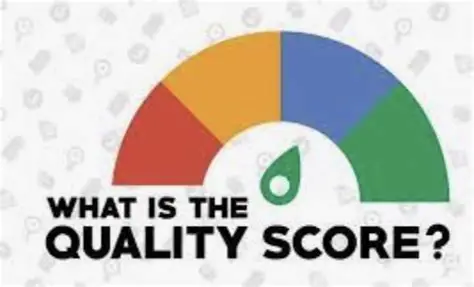
In Search Engine Marketing (SEM), success is not determined only by how much you bid. One of the most important — and often misunderstood — factors is Quality Score.
When advertisers run campaigns on platforms like Google through Google Ads or on Microsoft Advertising, Quality Score plays a major role in determining ad visibility, cost, and profitability.
In simple terms, Quality Score measures how relevant and useful your ads are to users. A higher score means lower costs and better placements. A low score leads to higher costs and weaker performance.
In this article, we’ll explore what Quality Score is, how it works, what factors influence it, and how you can improve it to maximize your SEM results.
Understanding Quality Score
Definition of Quality Score
Quality Score is a rating system used by search advertising platforms to evaluate the quality and relevance of your:
-
Keywords
-
Ads
-
Landing pages
It is typically measured on a scale from:
1 to 10
Where:
-
1–3 = Poor quality
-
4–6 = Average quality
-
7–10 = High quality
The higher your Quality Score, the more favorably your ads are treated.
Why Quality Score Exists
Search engines want users to have a good experience.
If ads are:
-
Relevant
-
Helpful
-
Easy to navigate
Users are more likely to trust the platform.
Quality Score encourages advertisers to focus on user experience, not just bidding.
How Quality Score Affects Ad Performance
Impact on Ad Rank
Ad Rank determines where your ad appears.
Simplified formula:
Ad Rank = Bid × Quality Score
Example:
Advertiser A:
-
Bid: $2
-
Quality Score: 9
-
Ad Rank: 18
Advertiser B:
-
Bid: $4
-
Quality Score: 3
-
Ad Rank: 12
Even with a lower bid, Advertiser A wins.
Impact on Cost Per Click (CPC)
Higher Quality Scores reduce CPC.
Platforms reward relevant advertisers with discounts.
Example:
Quality Score 9 = Lower CPC
Quality Score 3 = Higher CPC
You can often pay 20–50% less with strong Quality Scores.
Impact on Impression Share
Quality Score affects:
-
How often ads appear
-
Whether ads qualify for auctions
-
Eligibility for top positions
Low scores reduce visibility.
The Three Core Components of Quality Score
Quality Score is based on three main factors.
1. Expected Click-Through Rate (CTR)
Expected CTR predicts how likely users are to click your ad.
It is based on:
-
Historical performance
-
Keyword relevance
-
Ad appeal
High CTR indicates strong user interest.
Low CTR signals poor relevance.
2. Ad Relevance
Ad relevance measures how closely your ad matches the keyword.
Example:
Keyword: “Email marketing software”
Good ad:
“Powerful Email Marketing Software – Free Trial”
Bad ad:
“Affordable Web Hosting Plans”
Relevance is weak in the second example.
3. Landing Page Experience
This evaluates what happens after users click.
Factors include:
-
Page relevance
-
Load speed
-
Mobile friendliness
-
Navigation
-
Content quality
-
Transparency
Poor landing pages hurt Quality Score, even with good ads.
How Quality Score Is Calculated
While platforms don’t reveal exact formulas, they use:
-
Historical data
-
Real-time auction signals
-
User behavior patterns
-
Device and location context
Each keyword has its own Quality Score.
Campaigns and ad groups do not have a single universal score.
Viewing Quality Score in Campaigns
Most platforms display Quality Score at the keyword level.
You can see:
-
Overall score
-
Expected CTR status
-
Ad relevance status
-
Landing page experience status
Statuses usually appear as:
-
Above average
-
Average
-
Below average
These indicators guide optimization.
Why Quality Score Matters for ROI
Lower Costs
Higher scores = cheaper clicks.
This allows you to:
-
Run more ads
-
Reach more users
-
Increase profitability
Better Positions
High Quality Scores help you:
-
Appear above competitors
-
Earn top-of-page placement
-
Improve brand visibility
Greater Scalability
Efficient campaigns scale better.
You can increase volume without dramatically increasing budget.
Common Causes of Low Quality Score
Poor Keyword-Intent Match
Targeting keywords that don’t match your offer.
Example:
Advertising CRM software for “free spreadsheet templates.”
Generic Ads
Using the same ad for multiple unrelated keywords.
This weakens relevance.
Weak Landing Pages
Common issues:
-
Slow loading
-
Thin content
-
Misleading headlines
-
Poor mobile design
Low CTR History
If users consistently ignore your ads, scores drop.
Overuse of Broad Match
Broad match may bring irrelevant traffic.
This lowers CTR and relevance.
How to Improve Quality Score
1. Improve Keyword Targeting
Focus on:
-
Long-tail keywords
-
High-intent phrases
-
Transactional queries
Remove low-performing terms.
2. Organize Campaign Structure
Use tight ad groups.
Example:
Instead of one ad group with 50 keywords,
Create multiple groups with 5–10 related keywords.
This improves relevance.
3. Write Highly Relevant Ads
Include:
-
Main keyword in headline
-
Clear benefits
-
Strong call-to-action
Example:
“CRM Software for Small Businesses – Start Free Trial”
4. Optimize Landing Pages
Your landing page should:
-
Match ad messaging
-
Load in under 3 seconds
-
Work on mobile
-
Have clear CTA
-
Provide useful content
Consistency is critical.
5. Improve CTR
Boost CTR by:
-
Testing multiple headlines
-
Using extensions
-
Highlighting offers
-
Adding pricing or guarantees
Higher CTR improves Quality Score over time.
6. Use Negative Keywords
Remove irrelevant traffic.
Example negatives:
-
free
-
jobs
-
tutorial
-
download
Cleaner traffic = better metrics.
7. Leverage Ad Extensions
Extensions improve visibility and engagement.
Examples:
-
Sitelinks
-
Callouts
-
Structured snippets
-
Call extensions
They indirectly boost CTR.
Quality Score and Automation in 2026
Modern SEM platforms rely heavily on AI.
Automation influences:
-
Keyword matching
-
Bidding
-
Creative optimization
-
Audience targeting
However, Quality Score remains relevant.
AI still evaluates:
-
User engagement
-
Relevance
-
Page experience
Human strategy is still needed to guide quality.
Quality Score vs Optimization Score
Many advertisers confuse these two.
Quality Score
-
Measures relevance and user experience
-
Affects CPC and rank
-
Based on keyword performance
Optimization Score
-
Platform recommendation metric
-
Suggests improvements
-
Not directly tied to auctions
Both are useful, but Quality Score impacts profits more.
Example: Improving Quality Score in Practice
Situation
Online course provider:
Keyword: “SEO training”
Quality Score: 4
CPC: $3.20
Problems
-
Generic ad copy
-
Slow landing page
-
No keyword in headline
Improvements
-
New ad: “SEO Training for Beginners – Get Certified”
-
Optimized landing page
-
Faster load time
-
Clear CTA
Result
Quality Score: 8
CPC: $1.75
Conversions: +40%
Industry Benchmarks
While benchmarks vary, typical ranges are:
| Quality Score | Performance |
|---|---|
| 1–3 | Poor |
| 4–5 | Needs improvement |
| 6–7 | Competitive |
| 8–10 | Excellent |
Aim for 7+ on core keywords.
Myths About Quality Score
Myth 1: Higher Bids Improve Quality Score
False.
Bids affect rank, not Quality Score.
Myth 2: Quality Score Is Permanent
False.
It changes based on performance.
Myth 3: One Bad Keyword Hurts All Campaigns
False.
Scores are mostly keyword-specific.
Myth 4: Automation Removes the Need for Quality
False.
Automation rewards high-quality assets.
Best Practices for Maintaining High Quality Score
-
Review search terms weekly
-
Test ads continuously
-
Refresh landing pages
-
Monitor mobile performance
-
Remove underperformers
-
Align keywords, ads, and pages
Consistency is key.
The Future of Quality Score
In the coming years, Quality Score will likely include:
-
More behavioral data
-
Cross-device signals
-
AI-driven relevance modeling
-
Privacy-safe engagement metrics
But the core principle will remain:
Serve users well, and platforms reward you.
Conclusion
Quality Score is one of the most important success factors in SEM. It determines how much you pay, where your ads appear, and how competitive your campaigns can be.
By focusing on keyword relevance, compelling ad copy, and strong landing page experiences, advertisers can consistently improve their scores. High Quality Scores lead to lower costs, better positions, and stronger returns.
In 2026 and beyond, while automation continues to grow, Quality Score remains a powerful indicator of campaign health. Businesses that prioritize relevance and user experience will always outperform those that rely on bidding alone.
- Arts
- Business
- Computers
- Jeux
- Health
- Domicile
- Kids and Teens
- Argent
- News
- Personal Development
- Recreation
- Regional
- Reference
- Science
- Shopping
- Society
- Sports
- Бизнес
- Деньги
- Дом
- Досуг
- Здоровье
- Игры
- Искусство
- Источники информации
- Компьютеры
- Личное развитие
- Наука
- Новости и СМИ
- Общество
- Покупки
- Спорт
- Страны и регионы
- World

 English
 Russian
 Spanish
 Portuguese
 Deutsch
 Turkish
 Dutch
Dutch
 Italiano
 Arabic
 Romaian
 Portuguese (Brazil)
 Greek
Greek