
How do I create a productive daily routine?
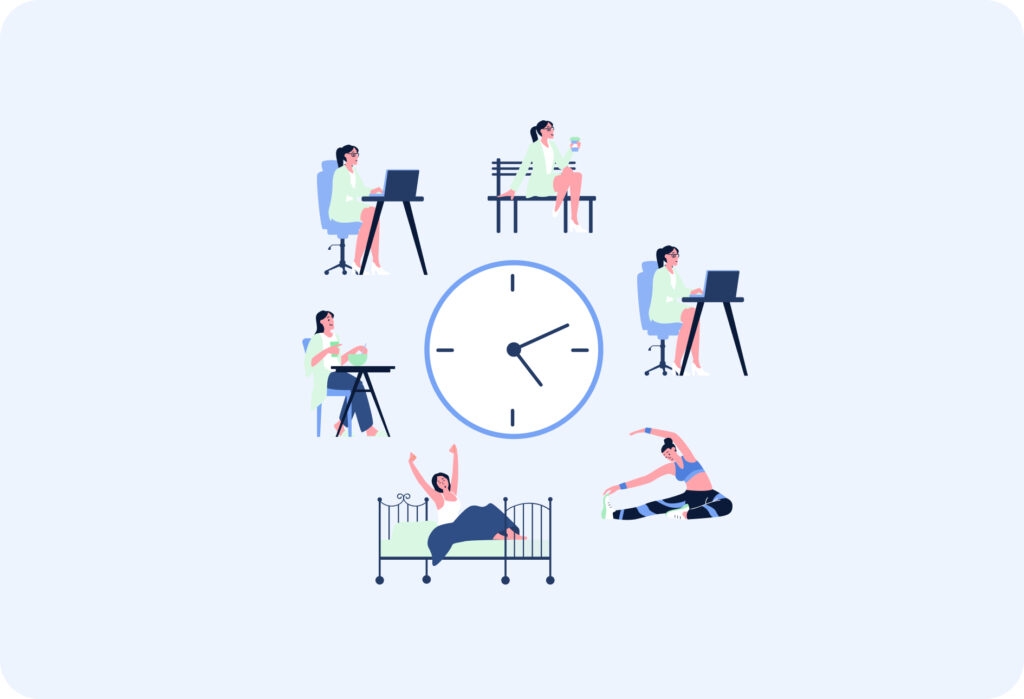
How Do I Create a Productive Daily Routine?
A productive daily routine is not about filling every hour with tasks—it’s about designing a structured system that aligns your time, energy, and priorities. The goal is consistency, not intensity. When your routine supports your cognitive rhythms and long-term objectives, productivity becomes sustainable rather than exhausting.
Below is a practical framework to build a daily routine that actually works.
1. Start With Clear Outcomes
Before designing your schedule, define what productivity means for you. Ask:
-
What are my top 3 long-term goals?
-
What must happen daily to move those forward?
-
What activities are non-negotiable (work, school, health)?
Your routine should reflect your priorities—not just urgent demands.
2. Identify Your Peak Energy Windows
Productivity is heavily influenced by circadian rhythms.
-
Morning peak – Ideal for deep work, analysis, studying
-
Midday dip – Good for administrative tasks
-
Afternoon rebound – Collaboration or creative work
Schedule high-cognitive tasks during your most alert hours. Energy management is more important than rigid time allocation.
3. Use Time-Blocking
Time-blocking involves assigning specific tasks to predefined time slots.
Example structure:
-
8:00–10:00 → Deep work
-
10:00–10:15 → Break
-
10:15–12:00 → Secondary task
-
13:00–14:00 → Meetings
-
14:00–15:00 → Admin
This reduces decision fatigue and prevents reactive scheduling.
4. Incorporate Focus Intervals
Structured work intervals improve consistency. The Pomodoro Technique is one popular approach, using 25-minute work sessions followed by short breaks. You can adapt the duration to match your attention span (e.g., 45/10).
The key is intentional work followed by intentional recovery.
5. Build a Strong Morning Routine
Your morning sets the cognitive tone for the day.
Effective morning components may include:
-
Waking at a consistent time
-
Hydration
-
Light movement or stretching
-
Reviewing daily priorities
-
Avoiding immediate social media use
The goal is clarity before consumption.
6. Protect Deep Work Time
Deep work refers to uninterrupted, cognitively demanding activity. To protect it:
-
Silence notifications
-
Close unnecessary tabs
-
Inform others of your focus window
-
Keep your phone out of reach
Treat deep work as a fixed appointment.
7. Schedule Breaks and Recovery
Breaks are not optional—they are performance tools.
Include:
-
Short breaks every 60–90 minutes
-
A longer midday reset
-
Physical movement
-
Time away from screens
Recovery prevents burnout and sustains long-term output.
8. Limit Daily Priorities
Choose 3–5 critical tasks per day. Completing these defines success. Overloading your list leads to stress and inconsistency.
Focus on completion, not accumulation.
9. Create an Evening Shutdown Routine
A productive day ends intentionally.
Consider:
-
Reviewing completed tasks
-
Planning tomorrow’s priorities
-
Clearing your workspace
-
Setting a consistent sleep schedule
This reduces cognitive carryover into the next day.
10. Iterate Weekly
A productive routine is dynamic. Conduct a weekly review:
-
What worked?
-
Where did distractions occur?
-
Are tasks aligned with goals?
Adjust based on evidence, not emotion.
Common Mistakes to Avoid
-
Designing an unrealistic, overly rigid schedule
-
Ignoring sleep and health
-
Failing to protect focus time
-
Reacting to notifications constantly
-
Not reviewing progress
A routine should support your life—not control it.
Final Thoughts
Creating a productive daily routine is about designing systems that reduce friction and align with your natural energy cycles. When you prioritize high-impact tasks, protect focus blocks, and schedule recovery, productivity becomes predictable.
Consistency compounds. Small, structured actions repeated daily produce significant long-term results.
- Arts
- Business
- Computers
- Games
- Health
- Home
- Kids and Teens
- Money
- News
- Personal Development
- Recreation
- Regional
- Reference
- Science
- Shopping
- Society
- Sports
- Бизнес
- Деньги
- Дом
- Досуг
- Здоровье
- Игры
- Искусство
- Источники информации
- Компьютеры
- Личное развитие
- Наука
- Новости и СМИ
- Общество
- Покупки
- Спорт
- Страны и регионы
- World

 Russian
 French
 Spanish
 Portuguese
 Deutsch
 Turkish
 Dutch
Dutch
 Italiano
 Arabic
 Romaian
 Portuguese (Brazil)
 Greek
Greek