
How do I balance work and personal life?
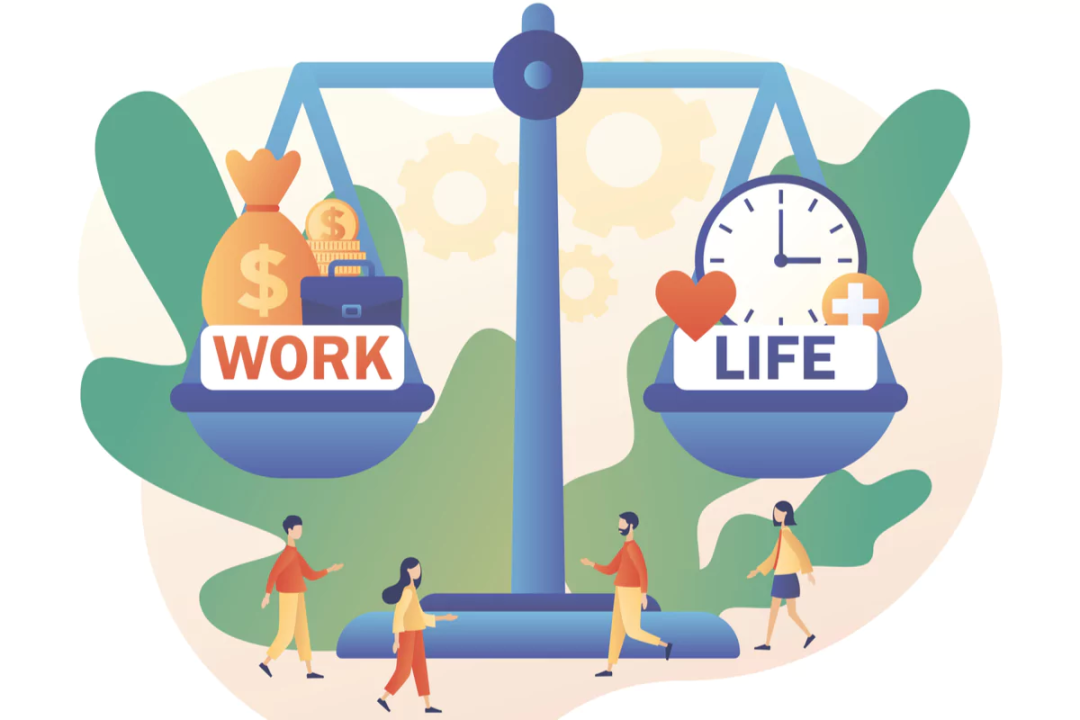
How Do I Balance Work and Personal Life?
Balancing work and personal life is not about splitting your day into equal halves. It is about intentional allocation of time, energy, and attention across multiple life domains in a way that sustains performance, protects well-being, and supports long-term priorities.
Many people misunderstand work–life balance as a static state. In reality, it is dynamic. Some seasons require more professional intensity; others require more personal focus. The goal is not symmetry — it is sustainability and alignment.
This guide provides a structured, practical framework for achieving balance without sacrificing ambition or fulfillment.
1. Define What “Balance” Means for You
Work–life balance is highly individual.
For some, balance means:
-
Leaving work at 5 PM consistently.
-
Having weekends completely free.
For others, balance may involve:
-
Working long hours during the week but protecting evenings.
-
Accepting seasonal intensity (e.g., exams, product launches).
Start by clarifying:
-
What does a balanced week look like for me?
-
Which personal areas feel neglected?
-
Where do I feel overloaded?
Without a personal definition, you risk adopting someone else’s standard.
2. Identify Core Life Domains
Effective balance requires clarity about the areas competing for your time:
-
Career or studies
-
Health (physical and mental)
-
Relationships (family, partner, friends)
-
Personal development
-
Recreation and leisure
-
Rest and recovery
List these domains and rate your satisfaction from 1–10 in each. Low scores highlight imbalance.
This diagnostic step prevents vague frustration and creates specific adjustment targets.
3. Conduct a Time and Energy Audit
Before correcting imbalance, measure reality.
For one week:
-
Track how many hours you work.
-
Track leisure time.
-
Track sleep.
-
Track digital consumption.
-
Note energy levels at different times.
You may discover:
-
10+ hours weekly lost to unintentional screen use.
-
Work hours extending due to inefficiency, not workload.
-
Personal time present but mentally distracted.
Balance is about quality of attention, not just quantity of hours.
4. Establish Clear Work Boundaries
Boundaries protect personal life from professional sprawl.
Examples:
-
No work emails after 7 PM.
-
No work on Sundays.
-
Defined shutdown routine at end of workday.
-
Separate work and home spaces (if remote).
Without boundaries, work expands indefinitely.
A practical technique is a daily “shutdown ritual”:
-
Review tasks.
-
Plan tomorrow’s priorities.
-
Close work systems.
-
Verbally confirm completion.
This signals psychological closure.
5. Prioritize High-Impact Work Tasks
Often, imbalance is caused not by workload, but by inefficiency.
Apply prioritization:
-
Focus on high-impact tasks early in the day.
-
Eliminate or delegate low-value work.
-
Reduce unnecessary meetings.
-
Batch similar tasks.
When work hours become more productive, fewer hours are required.
Quality execution protects personal time.
6. Schedule Personal Time Like Work
People protect work appointments but treat personal time as optional.
Instead:
-
Schedule workouts.
-
Schedule date nights.
-
Schedule reading time.
-
Schedule relaxation blocks.
If it matters, it belongs on your calendar.
Unscheduled personal time often gets absorbed by work or distractions.
7. Protect Sleep Ruthlessly
Sleep is the foundation of both productivity and emotional stability.
Chronic sleep deprivation:
-
Reduces cognitive performance.
-
Increases irritability.
-
Lowers stress tolerance.
-
Impairs decision-making.
Target:
-
7–9 hours nightly.
-
Consistent sleep and wake times.
-
No work in bed.
Sleep is not lost productivity; it is performance insurance.
8. Learn to Say No Strategically
Overcommitment is a primary cause of imbalance.
Before accepting commitments, ask:
-
Does this align with my priorities?
-
Do I have capacity this week?
-
What must be sacrificed to say yes?
Saying no protects both work quality and personal life.
Polite boundary examples:
-
“I can take this next week.”
-
“I don’t have capacity right now.”
-
“I’ll need to decline to maintain current commitments.”
Clarity prevents resentment.
9. Separate Work Identity from Personal Identity
When professional identity dominates self-worth, imbalance increases.
If your identity is solely:
-
“I am my job.”
You may:
-
Overwork for validation.
-
Struggle to disconnect.
-
Neglect relationships.
Develop parallel identities:
-
Friend
-
Partner
-
Athlete
-
Learner
-
Creator
Diversified identity reduces work obsession.
10. Manage Technology Intentionally
Digital tools blur work–life boundaries.
Common issues:
-
Checking emails in bed.
-
Slack notifications during dinner.
-
Social media consuming leisure time.
Solutions:
-
Disable non-essential notifications.
-
Use app timers.
-
Establish device-free hours.
-
Keep work apps off personal devices if possible.
Technology should serve balance, not undermine it.
11. Align Energy With Task Type
Balance is not just about time; it is about energy alignment.
Schedule:
-
Deep work during peak energy.
-
Administrative tasks during low energy.
-
Personal conversations when mentally present.
When work aligns with cognitive peaks, it requires fewer hours.
Energy-efficient work preserves life outside work.
12. Create Weekly Reset Rituals
Once per week:
-
Review workload.
-
Adjust commitments.
-
Plan personal time.
-
Evaluate stress levels.
Ask:
-
Did I overwork?
-
Did I neglect personal priorities?
-
What needs correction next week?
Weekly recalibration prevents long-term imbalance.
13. Accept Seasonal Imbalance (But Plan Recovery)
Certain periods demand increased professional effort:
-
Exams
-
Business launches
-
Deadlines
-
Career transitions
Temporary imbalance is normal.
The key is:
-
Making it intentional.
-
Communicating expectations.
-
Scheduling recovery afterward.
Chronic imbalance is harmful; temporary intensity is manageable.
14. Invest in Efficiency Systems
Improving systems reduces wasted time:
-
Automate recurring tasks.
-
Use structured planning.
-
Delegate when possible.
-
Batch communication.
-
Use focused work intervals.
When work becomes structured, personal time increases without reducing output.
15. Address Psychological Drivers of Overwork
Some imbalance is not logistical but emotional.
Common internal drivers:
-
Fear of falling behind
-
Desire for approval
-
Perfectionism
-
Impostor syndrome
-
Financial insecurity
If overwork stems from anxiety, schedule adjustments alone may not solve it.
Reflection or coaching may be necessary.
16. Protect Relationships Proactively
Relationships deteriorate quietly under chronic imbalance.
Protect them intentionally:
-
Dedicated conversation time.
-
Weekly shared activities.
-
Phone-free meals.
-
Express appreciation regularly.
Presence matters more than duration.
Focused 30 minutes often outweigh distracted 3 hours.
17. Build Recovery Into Your Week
Recovery is not laziness; it is restoration.
Include:
-
Physical activity
-
Outdoor exposure
-
Creative hobbies
-
Unstructured downtime
Constant stimulation exhausts the nervous system.
Deliberate recovery sustains long-term productivity.
18. Avoid Productivity Guilt
Many high achievers struggle with guilt when resting.
Remember:
-
Rest improves performance.
-
Personal fulfillment increases resilience.
-
Balance enhances long-term career outcomes.
Guilt-free rest is part of professional responsibility.
19. Monitor Burnout Indicators
Warning signs include:
-
Chronic fatigue
-
Irritability
-
Loss of motivation
-
Reduced performance
-
Cynicism toward work
-
Sleep disruption
If these appear, adjust immediately:
-
Reduce workload.
-
Take time off.
-
Seek support.
-
Reevaluate commitments.
Ignoring burnout worsens imbalance.
20. Redefine Success
If success equals constant output, balance becomes impossible.
Instead define success as:
-
Sustainable performance.
-
Strong relationships.
-
Physical and mental health.
-
Meaningful progress.
Long-term success requires integration, not sacrifice.
Practical Framework for Implementation
To operationalize work–life balance:
-
Conduct time audit.
-
Identify neglected domains.
-
Set 2–3 balance goals (e.g., “Leave work by 6 PM four days per week”).
-
Schedule personal priorities.
-
Establish digital boundaries.
-
Review weekly.
-
Adjust seasonally.
Consistency matters more than perfection.
The Reality of Balance
Balance does not mean:
-
Equal hours.
-
Zero stress.
-
No ambition.
It means:
-
Intentional allocation.
-
Protected recovery.
-
Clear boundaries.
-
Alignment with values.
Some weeks will lean heavily toward work. Others toward personal life. The objective is to prevent long-term neglect in either direction.
Conclusion
Balancing work and personal life is a strategic discipline, not a passive outcome.
It requires:
-
Clear priorities
-
Boundary enforcement
-
Energy management
-
Scheduled personal time
-
Ongoing evaluation
Work can be meaningful and fulfilling. Personal life can be rich and energizing. The key is structured intentionality.
When you deliberately allocate your time and protect your well-being, you move from reactive overwork to sustainable performance.
Balance is not achieved once — it is maintained continuously.
- Arts
- Business
- Computers
- Jocuri
- Health
- Home
- Kids and Teens
- Money
- News
- Personal Development
- Recreation
- Regional
- Reference
- Science
- Shopping
- Society
- Sports
- Бизнес
- Деньги
- Дом
- Досуг
- Здоровье
- Игры
- Искусство
- Источники информации
- Компьютеры
- Личное развитие
- Наука
- Новости и СМИ
- Общество
- Покупки
- Спорт
- Страны и регионы
- World

 English
 Russian
 French
 Spanish
 Portuguese
 Deutsch
 Turkish
 Dutch
Dutch
 Italiano
 Arabic
 Portuguese (Brazil)
 Greek
Greek