
What Is the Difference Between Customer Experience and Customer Service?
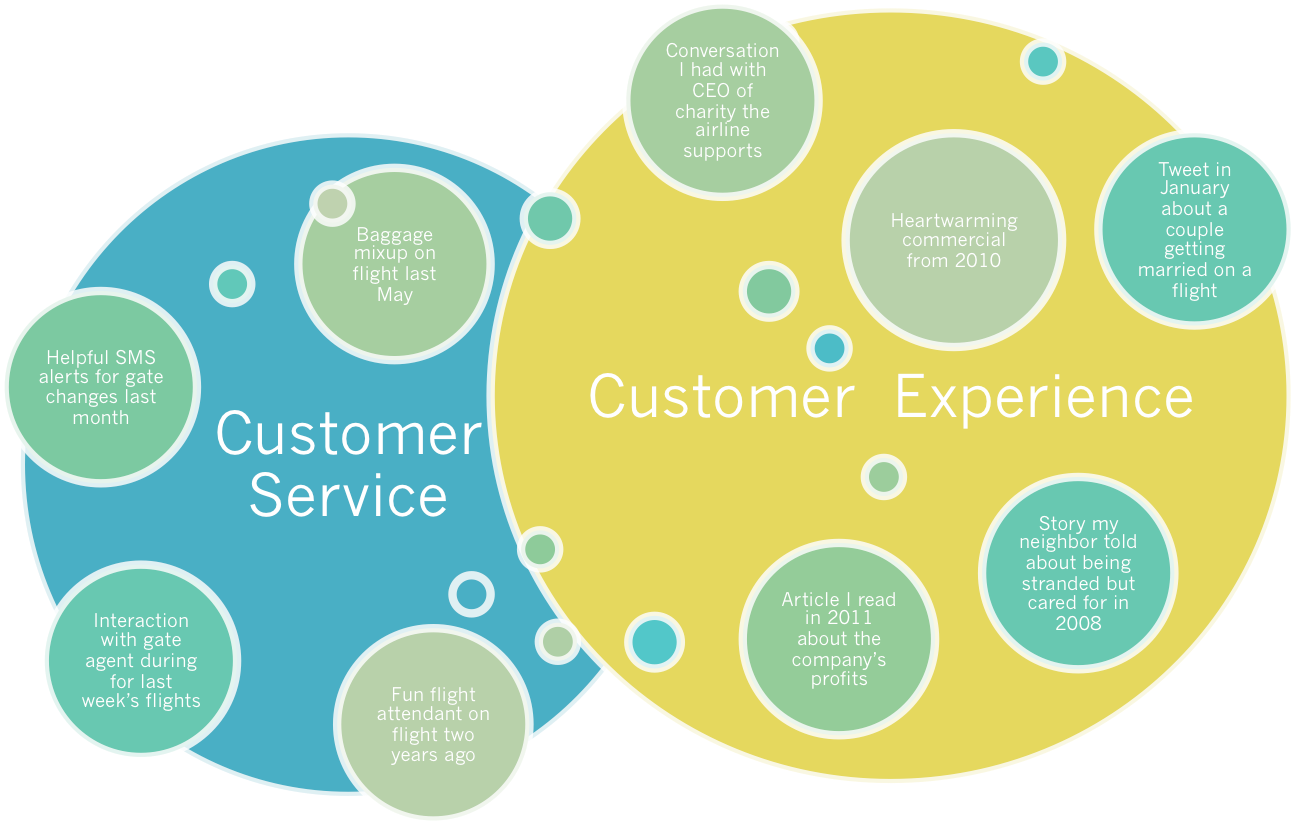
Businesses today compete not only on price or product quality but also on how customers feel when interacting with them. Two terms often used in this discussion are customer experience (CX) and customer service. While they are closely related, they are not the same thing. Many companies mistakenly treat them as interchangeable, which can limit their ability to create meaningful relationships with customers.
Understanding the difference between customer experience and customer service helps businesses design better strategies, improve satisfaction, and build long-term loyalty.
This guide explains both concepts in depth, how they differ, how they work together, and why mastering both is critical for modern businesses.
Keywords
customer experience, customer service, CX vs customer service, customer journey, customer satisfaction, customer support, customer engagement, business growth, customer loyalty, service strategy
Understanding Customer Experience (CX)
Definition of Customer Experience
Customer experience (CX) refers to the entire perception a customer has of a brand based on all interactions throughout their relationship with the company.
This includes every stage of the customer journey:
-
Discovering the brand
-
Visiting the website
-
Seeing advertisements
-
Purchasing a product
-
Contacting support
-
Using the product
-
Receiving follow-up communication
In other words, CX is the complete journey, not just a single interaction.
Customer experience focuses on how customers feel about every interaction with a brand.
Example of Customer Experience
Imagine someone buying a laptop online.
Their customer experience includes:
-
Seeing an advertisement
-
Visiting the website
-
Reading product descriptions
-
Checking reviews
-
Purchasing the laptop
-
Receiving shipping updates
-
Opening the package
-
Using the device
-
Contacting support if something goes wrong
-
Receiving follow-up emails
Every step shapes how the customer views the company.
Even small details like:
-
Website speed
-
Checkout simplicity
-
Packaging quality
-
Email tone
affect the overall experience.
Key Components of Customer Experience
Customer experience includes several elements that work together.
1. Customer Journey
The customer journey is the path customers take when interacting with a brand.
Typical stages include:
-
Awareness
-
Consideration
-
Purchase
-
Use
-
Support
-
Loyalty
Every stage contributes to CX.
2. Touchpoints
Touchpoints are all interactions between the customer and the brand.
Examples include:
-
Website visits
-
Social media interactions
-
Advertising
-
Customer support
-
Emails
-
Mobile apps
-
In-store visits
Each touchpoint influences the customer’s perception.
3. Personalization
Customers expect personalized experiences.
Examples include:
-
Product recommendations
-
Personalized emails
-
Customized offers
-
Targeted ads
Personalization makes customers feel understood.
4. Consistency
Customers interact with businesses across multiple channels:
-
Websites
-
Mobile apps
-
Social media
-
Email
-
Physical stores
A consistent experience across these channels is essential.
5. Emotional Impact
Customer experience is not just functional—it’s emotional.
Customers remember how a brand makes them feel:
-
Frustrated
-
Excited
-
Appreciated
-
Ignored
Positive emotions build stronger relationships.
Understanding Customer Service
Definition of Customer Service
Customer service refers to direct support provided to customers before, during, or after a purchase.
It typically involves helping customers solve problems or answer questions.
Customer service is a specific part of the overall customer experience.
Examples of Customer Service
Customer service interactions include:
-
Answering questions via chat
-
Responding to support emails
-
Handling returns
-
Troubleshooting issues
-
Processing refunds
-
Providing product guidance
Customer service usually happens when customers need assistance.
Common Customer Service Channels
Customer service is delivered through multiple communication channels.
Phone Support
Traditional call centers allow customers to speak directly with agents.
Advantages:
-
Immediate assistance
-
Personal interaction
Disadvantages:
-
Long wait times
-
Higher costs
Email Support
Customers submit requests via email.
Benefits:
-
Detailed communication
-
Documentation of issues
However, response times may be slower.
Live Chat
Live chat allows real-time support on websites.
Benefits include:
-
Fast responses
-
High customer satisfaction
-
Lower operational cost than phone support
Social Media Support
Customers often reach out through platforms like:
-
Twitter/X
-
Instagram
-
Facebook
Brands must respond quickly to maintain trust.
Self-Service Support
Modern companies also offer self-service tools:
-
Knowledge bases
-
FAQs
-
Community forums
-
AI chatbots
This allows customers to solve problems independently.
The Key Differences Between Customer Experience and Customer Service
While they are connected, customer experience and customer service differ in scope, purpose, and strategy.
Let’s explore the most important differences.
1. Scope: CX Is Broad, Customer Service Is Specific
The biggest difference is scope.
Customer experience covers the entire relationship between the customer and the brand.
Customer service focuses only on support interactions.
Example:
CX includes:
-
Website usability
-
Marketing messages
-
Product quality
-
Checkout process
-
Delivery experience
Customer service includes:
-
Handling complaints
-
Answering product questions
-
Fixing problems
Customer service is one part of CX.
2. Timing: CX Happens Throughout the Journey
Customer experience happens at every stage of the customer journey.
Customer service usually happens after a problem or question arises.
Example:
CX:
-
Seeing a helpful ad
-
Easy website navigation
-
Fast checkout
Customer service:
-
Requesting a refund
-
Asking about product features
-
Reporting a defect
CX is proactive, while customer service is often reactive.
3. Responsibility: CX Is Company-Wide
Customer experience involves multiple departments.
These may include:
-
Marketing
-
Product design
-
Sales
-
Customer support
-
Logistics
-
IT
Customer service is typically handled by a dedicated support team.
4. Goals: CX Builds Relationships, Service Solves Problems
Customer experience aims to:
-
Build loyalty
-
Create emotional connections
-
Deliver consistent value
-
Encourage repeat purchases
Customer service aims to:
-
Resolve issues quickly
-
Answer questions
-
Ensure satisfaction during support interactions
5. Measurement: CX Uses Broader Metrics
Customer experience is measured with metrics like:
-
Net Promoter Score (NPS)
-
Customer Lifetime Value (CLV)
-
Customer retention rate
-
Customer journey satisfaction
Customer service uses more specific metrics such as:
-
First response time
-
Average resolution time
-
Support ticket volume
-
Customer service satisfaction
Why Businesses Confuse CX and Customer Service
Many businesses believe that improving customer service automatically improves customer experience.
While good service helps, it is only one piece of the puzzle.
For example:
A company might offer excellent support, but customers could still have a poor experience if:
-
The website is confusing
-
Checkout is complicated
-
Delivery takes too long
-
Products are poorly designed
CX requires a holistic approach across the entire business.
How Customer Service Contributes to Customer Experience
Even though they are different, customer service plays a crucial role in shaping CX.
A single support interaction can strongly influence a customer’s perception of the brand.
For example:
A customer receives a defective product.
Two possible outcomes:
Poor service:
-
Long wait times
-
Unhelpful agent
-
Complicated return process
Result: negative CX.
Great service:
-
Quick response
-
Friendly support agent
-
Easy replacement
Result: positive CX.
Customer service moments are often critical turning points in the customer journey.
Real-Life Example of CX vs Customer Service
Imagine ordering shoes online.
Customer Experience Includes
-
Discovering the brand on social media
-
Visiting a clean website
-
Easy checkout
-
Fast shipping
-
Attractive packaging
-
Product quality
-
Helpful emails
Customer Service Includes
-
Contacting support about a wrong size
-
Requesting a return
-
Asking for product advice
The entire process is CX.
The support interaction is customer service.
Why Customer Experience Matters More Than Ever
Customer expectations have increased dramatically.
Modern customers expect:
-
Fast service
-
Personalized interactions
-
Consistent experiences
-
Seamless digital journeys
Companies that focus on CX often outperform competitors.
Benefits include:
-
Higher customer loyalty
-
Increased repeat purchases
-
Better brand reputation
-
Stronger customer relationships
The Role of Technology in CX and Customer Service
Technology helps businesses improve both CX and customer service.
Examples include:
Customer Relationship Management (CRM)
CRMs track customer interactions and preferences.
This allows companies to provide personalized experiences.
AI Chatbots
Chatbots provide instant responses and handle common questions.
They improve response time and reduce support workload.
Customer Analytics
Analytics tools help businesses understand:
-
Customer behavior
-
Purchase patterns
-
Pain points
This insight helps optimize experiences.
Omnichannel Platforms
Customers interact with brands through many channels.
Omnichannel platforms unify:
-
Email
-
Social media
-
Chat
-
Phone support
This creates a seamless experience.
How Businesses Can Align CX and Customer Service
The best companies ensure that CX and customer service work together.
Here are key strategies.
1. Map the Customer Journey
Businesses should identify every stage of the customer journey.
This helps uncover:
-
Pain points
-
Friction
-
Opportunities for improvement
2. Train Support Teams Properly
Customer service representatives should focus on:
-
empathy
-
communication
-
problem solving
Support teams represent the brand directly.
3. Use Customer Feedback
Feedback provides valuable insights.
Businesses can collect feedback through:
-
surveys
-
reviews
-
customer interviews
-
support conversations
4. Improve Internal Collaboration
Departments must work together.
Marketing, product, and support teams should share insights to improve CX.
5. Focus on Proactive Support
Instead of waiting for problems, businesses can prevent them.
Examples include:
-
helpful tutorials
-
onboarding guides
-
automated alerts
This reduces support issues and improves CX.
Signs Your Business Is Confusing CX with Customer Service
Many companies unknowingly focus too much on support instead of the full experience.
Warning signs include:
-
Only tracking support metrics
-
Ignoring website usability
-
Poor onboarding experiences
-
Lack of personalization
-
Limited cross-department collaboration
Improving CX requires a broader perspective.
The Future of Customer Experience and Customer Service
The future of CX will likely focus on:
AI-driven personalization
Brands will deliver tailored experiences using customer data.
Predictive support
Businesses will solve problems before customers even report them.
Seamless omnichannel experiences
Customers will move smoothly between:
-
websites
-
apps
-
stores
-
support channels
Emotional intelligence in service
Support teams and AI tools will focus more on empathy and emotional understanding.
Conclusion
Customer experience and customer service are closely related but fundamentally different.
Customer experience is the complete perception customers have of a brand across every interaction. It includes marketing, product design, purchasing, delivery, and support.
Customer service is the assistance provided when customers need help, usually through support teams and communication channels.
The relationship between the two is simple:
Customer service is a part of customer experience.
Businesses that understand this distinction can design better strategies, improve customer satisfaction, and build stronger relationships with their audiences.
In today’s competitive market, companies that deliver exceptional experiences—not just good service—are the ones that succeed.
- Arts
- Business
- Computers
- Jogos
- Health
- Início
- Kids and Teens
- Money
- News
- Personal Development
- Recreation
- Regional
- Reference
- Science
- Shopping
- Society
- Sports
- Бизнес
- Деньги
- Дом
- Досуг
- Здоровье
- Игры
- Искусство
- Источники информации
- Компьютеры
- Личное развитие
- Наука
- Новости и СМИ
- Общество
- Покупки
- Спорт
- Страны и регионы
- World

 English
 Russian
 French
 Spanish
 Deutsch
 Turkish
 Dutch
Dutch
 Italiano
 Arabic
 Romaian
 Portuguese (Brazil)
 Greek
Greek