
What is the best way to organize tasks?
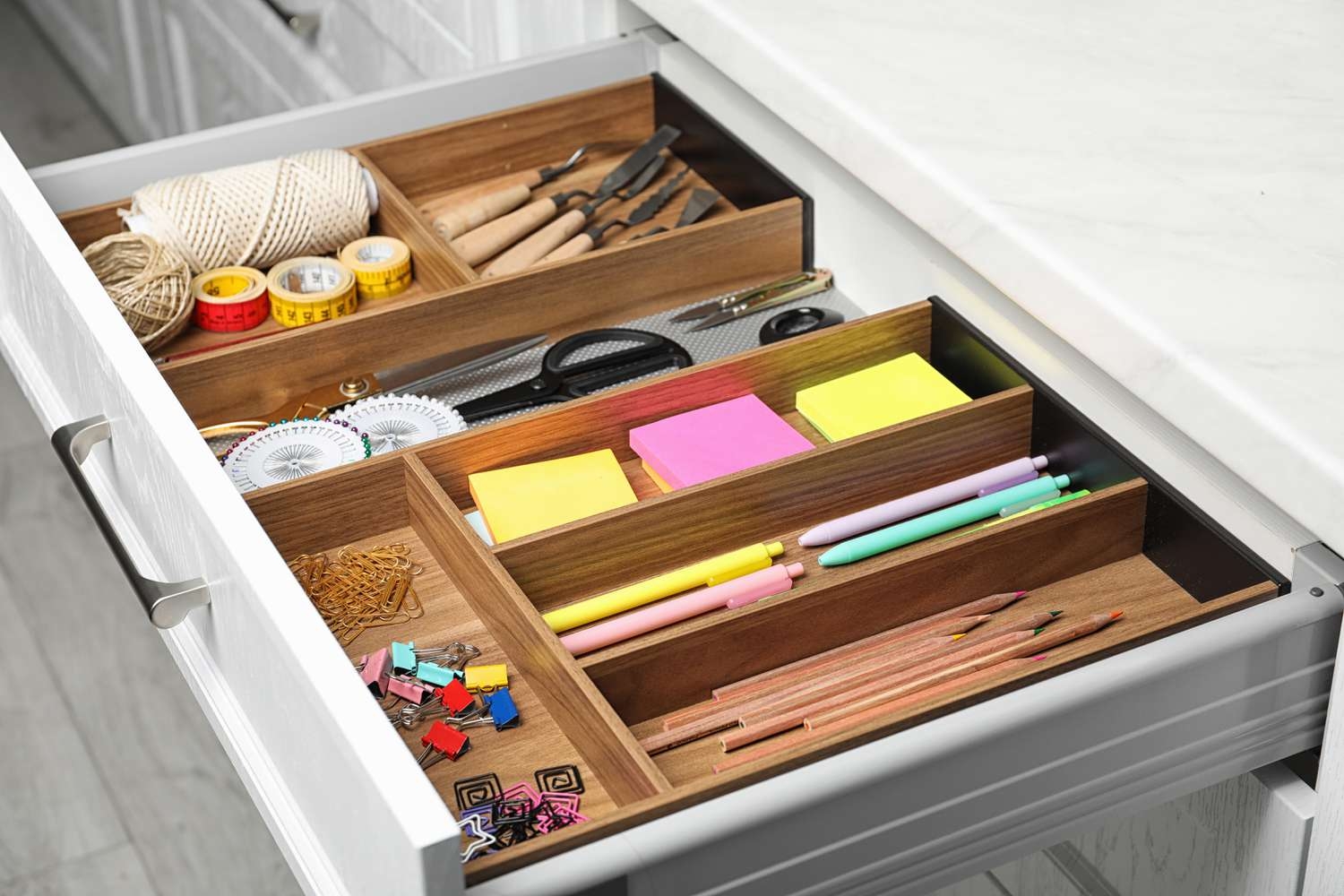
What Is the Best Way to Organize Tasks?
In both professional and personal life, people constantly face a growing list of responsibilities. Emails need responses, projects require planning, errands must be completed, and deadlines approach quickly. Without a clear system to organize tasks, it becomes easy to feel overwhelmed and lose track of important work.
Organizing tasks effectively is one of the most valuable productivity skills a person can develop. A well-structured task system helps reduce stress, improve focus, and ensure that important responsibilities are completed on time. Instead of reacting to tasks as they appear, organized task management allows individuals to take control of their workload.
This article explores the best ways to organize tasks, including proven strategies, practical techniques, and tools that can help you create a reliable system for managing responsibilities.
Why Task Organization Is Important
Before exploring specific strategies, it is helpful to understand why organizing tasks is so critical.
Many people rely on memory or scattered notes to keep track of their responsibilities. Unfortunately, the human brain is not designed to store large amounts of detailed information about tasks and deadlines. This often leads to forgotten commitments, missed deadlines, and unnecessary stress.
A well-organized task system provides several benefits:
-
Clarity – You always know what needs to be done.
-
Prioritization – Important tasks receive the attention they deserve.
-
Efficiency – Less time is wasted deciding what to do next.
-
Reduced stress – Tasks are managed systematically instead of chaotically.
-
Improved productivity – Work is completed more consistently and effectively.
When tasks are organized properly, your mind is free to focus on completing them rather than remembering them.
Step 1: Capture Every Task
The first step in organizing tasks is to capture everything that needs to be done.
Many productivity problems occur because tasks exist only in a person's memory. As responsibilities increase, it becomes difficult to remember them all.
Instead, every task should be stored in a reliable system such as:
-
A notebook
-
A task management app
-
A digital document
-
A planner
-
A whiteboard
The key principle is simple: nothing should remain only in your head.
Examples of Tasks to Capture
Your system should include all types of responsibilities, including:
-
Work assignments
-
Household chores
-
Appointments
-
Personal goals
-
Long-term projects
-
Errands
-
Ideas and reminders
Even small tasks should be recorded. Capturing everything prevents mental overload and ensures that nothing important is forgotten.
Step 2: Break Tasks Into Manageable Pieces
Large tasks often feel overwhelming because they lack clear starting points.
For example, a task like:
“Prepare presentation”
is too vague. It may include multiple steps such as:
-
Research information
-
Create slide outline
-
Design slides
-
Add visuals
-
Practice presentation
Breaking large tasks into smaller actions makes them easier to start and complete.
Why Smaller Tasks Work Better
Smaller tasks:
-
Reduce procrastination
-
Create a sense of progress
-
Make scheduling easier
-
Improve focus
Instead of postponing a large task, you can begin with a simple step like “write presentation outline.”
Step 3: Prioritize Your Tasks
Once tasks are captured and broken down, the next step is deciding which tasks matter most.
Not all tasks are equally important. Some have immediate deadlines, while others can wait. Some tasks have a major impact on goals, while others are relatively minor.
Prioritization ensures that the most important work is completed first.
A Simple Priority System
One easy method is to categorize tasks into three groups:
High Priority
These tasks are critical and often have deadlines. They should be completed as soon as possible.
Examples:
-
Completing a work project due tomorrow
-
Preparing for an important meeting
-
Submitting an assignment
Medium Priority
These tasks are important but not urgent.
Examples:
-
Long-term projects
-
Skill development
-
Planning future tasks
Low Priority
These tasks are optional or less important.
Examples:
-
Minor administrative tasks
-
Optional activities
-
Non-essential errands
This simple structure helps you focus your energy where it matters most.
Step 4: Use Categories or Lists
Another powerful way to organize tasks is by grouping them into categories.
Instead of one long to-do list, tasks are divided into sections based on context or type.
Common Task Categories
Some popular categories include:
Work Tasks
Professional responsibilities and job-related assignments.
Personal Tasks
Household chores, errands, and personal commitments.
Projects
Long-term goals that require multiple steps.
Quick Tasks
Small tasks that can be completed quickly.
Waiting Tasks
Tasks that depend on other people or external factors.
By organizing tasks into categories, you can easily find what you need to work on without searching through a massive list.
Step 5: Schedule Tasks on a Calendar
One of the most effective ways to organize tasks is to schedule them directly on your calendar.
Many people maintain a long list of tasks but never assign them specific time slots. As a result, important tasks may remain unfinished.
Scheduling tasks ensures that they receive dedicated time.
Example Schedule
| Time | Task |
|---|---|
| 9:00–10:00 | Respond to emails |
| 10:00–12:00 | Work on project |
| 12:00–1:00 | Lunch |
| 1:00–2:00 | Meeting |
| 2:00–4:00 | Writing or research |
This method prevents tasks from being postponed indefinitely.
Step 6: Focus on One Task at a Time
Many people believe multitasking improves productivity. In reality, multitasking often reduces efficiency and increases mistakes.
When switching between tasks, the brain must constantly adjust to new information. This process, called context switching, consumes mental energy and slows progress.
The best way to stay productive is to focus on one task at a time.
Benefits of Single-Tasking
Single-tasking:
-
Improves concentration
-
Reduces errors
-
Helps complete tasks faster
-
Increases work quality
Instead of juggling multiple tasks, finish one before moving to the next.
Step 7: Review and Update Your Task List Regularly
Task organization is not a one-time process. It requires regular review and adjustment.
Daily or weekly reviews help ensure that your system remains accurate and useful.
Daily Review
At the end of each day:
-
Check completed tasks
-
Update unfinished tasks
-
Plan tasks for tomorrow
Weekly Review
Once a week:
-
Review long-term projects
-
Adjust priorities
-
Add new tasks
-
Remove unnecessary tasks
Regular reviews keep your task system organized and relevant.
Step 8: Eliminate or Delegate Unnecessary Tasks
Not every task must be completed personally.
Some tasks can be delegated, while others can be eliminated entirely.
Delegating Tasks
Delegation involves assigning tasks to others who are better suited to complete them.
For example:
-
Team members may handle specific project tasks.
-
Family members may share household responsibilities.
Delegating reduces workload and allows you to focus on higher-value tasks.
Eliminating Tasks
Some tasks may not be necessary at all.
Ask yourself:
-
Does this task support my goals?
-
Is this task truly important?
-
What happens if this task is not completed?
Removing unnecessary tasks keeps your system efficient and focused.
Step 9: Use the Right Tools
While task organization can be done with simple pen and paper, digital tools offer additional advantages.
Task management apps allow you to:
-
Create task lists
-
Set deadlines
-
Add reminders
-
Track progress
-
Organize projects
-
Collaborate with teams
Popular Task Management Tools
Some widely used tools include:
Trello
Uses visual boards to organize tasks and projects.
Todoist
A simple yet powerful task manager for organizing daily responsibilities.
Notion
An all-in-one productivity workspace that supports task tracking, notes, and databases.
Microsoft To Do
A straightforward tool for managing tasks and reminders.
Choosing the right tool depends on your preferences and workflow.
Common Task Organization Mistakes
Even with good systems, some habits can reduce effectiveness.
Creating Extremely Long To-Do Lists
Long lists can feel overwhelming and reduce motivation.
Instead, focus on a small number of meaningful tasks each day.
Not Setting Priorities
Without priorities, you may spend time on low-value tasks while important work remains unfinished.
Ignoring Deadlines
Tasks without deadlines are often postponed indefinitely.
Assigning time frames helps maintain momentum.
Failing to Review Tasks
If tasks are not reviewed regularly, the system can become outdated and disorganized.
Building a Task Organization System That Works for You
The best task organization system is one that fits your lifestyle and work habits.
Some people prefer digital tools, while others prefer handwritten planners. Some prefer structured schedules, while others prefer flexible task lists.
Experiment with different approaches until you find a system that feels natural and sustainable.
A strong system should be:
-
Simple to maintain
-
Easy to review
-
Reliable
-
Adaptable to changing responsibilities
Final Thoughts
Organizing tasks effectively is one of the most powerful ways to improve productivity and reduce stress. By capturing tasks, breaking them into manageable steps, prioritizing important work, and scheduling responsibilities, individuals can maintain control over their workload.
The key to successful task organization is consistency. A system only works if it is used regularly and updated as tasks change.
With the right strategies and tools, anyone can develop an organized task management system that supports productivity, clarity, and long-term success.
- Arts
- Business
- Computers
- Juegos
- Health
- Home
- Kids and Teens
- Money
- News
- Personal Development
- Recreation
- Regional
- Reference
- Science
- Shopping
- Society
- Sports
- Бизнес
- Деньги
- Дом
- Досуг
- Здоровье
- Игры
- Искусство
- Источники информации
- Компьютеры
- Личное развитие
- Наука
- Новости и СМИ
- Общество
- Покупки
- Спорт
- Страны и регионы
- World

 English
 Russian
 French
 Portuguese
 Deutsch
 Turkish
 Dutch
Dutch
 Italiano
 Arabic
 Romaian
 Portuguese (Brazil)
 Greek
Greek