
How does the GTD (Getting Things Done) method work?
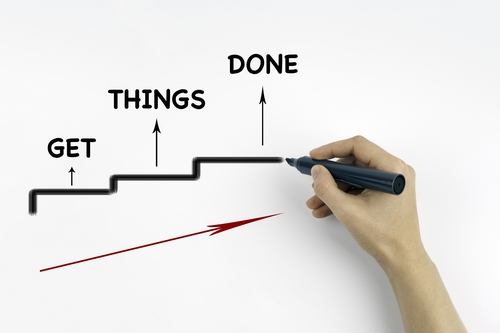
How Does the GTD (Getting Things Done) Method Work?
In a world full of responsibilities, distractions, and deadlines, staying organized can feel like a constant struggle. Emails pile up, projects demand attention, and ideas come and go faster than they can be acted upon. For many people, this leads to stress, missed deadlines, and a sense of being constantly behind.
One of the most effective frameworks for managing tasks, projects, and responsibilities is GTD (Getting Things Done), a method developed by productivity consultant David Allen. GTD provides a systematic approach to capturing, organizing, and executing tasks, freeing your mind from the burden of remembering every detail and allowing you to focus on meaningful work.
This article explores the GTD method in detail, explaining how it works, why it is effective, and how you can implement it to increase productivity and reduce stress.
What Is the GTD Method?
Getting Things Done (GTD) is a task management methodology designed to help individuals and teams organize and execute their work efficiently. The core principle of GTD is that the mind is best used for thinking, decision-making, and creativity, not for holding onto information about every task or responsibility.
By capturing all tasks and ideas in a reliable system and processing them through a structured workflow, GTD allows people to clear their minds, prioritize effectively, and focus on the next actionable step.
The Five Key Steps of GTD
The GTD methodology is structured around five key steps. Each step is critical for ensuring that tasks are captured, organized, and executed in a systematic way.
1. Capture
The first step is to capture everything that has your attention. This includes:
-
Tasks
-
Ideas
-
Projects
-
Commitments
-
Appointments
-
Random thoughts
The goal is to externalize your responsibilities, moving them out of your head and into a trusted system. This prevents mental clutter and ensures that nothing is forgotten.
How to Capture
You can capture items using:
-
Notebooks
-
Task management apps
-
Voice memos
-
Sticky notes
-
Digital documents
The key is consistency: any idea or task that comes to mind should be recorded immediately.
2. Clarify
Once tasks are captured, the next step is to clarify what each item actually is and what needs to be done.
Ask yourself:
-
Is this actionable?
-
If yes, what is the next physical action required?
-
If no, should I trash it, incubate it, or store it for reference?
Categories of Clarified Items
-
Actionable tasks – Specific tasks that require execution
-
Projects – Multi-step tasks that require planning
-
Reference materials – Information you may need later
-
Someday/Maybe – Ideas or tasks that are not currently actionable
Clarifying tasks ensures that each item in your system has a clear purpose and next step.
3. Organize
After clarifying, tasks need to be organized into appropriate lists or categories. GTD emphasizes context and actionable grouping.
Common Organizational Lists
-
Next Actions – Tasks that can be done immediately
-
Projects – Multi-step tasks that require ongoing management
-
Waiting For – Tasks that are delegated or depend on others
-
Calendar – Time-specific tasks or appointments
-
Someday/Maybe – Ideas or tasks to consider in the future
Organizing tasks in this way ensures that you know what to do, when to do it, and in what context.
4. Reflect
Reflection is a critical part of GTD. The weekly review is the cornerstone of this step. During this review, you:
-
Examine your lists and projects
-
Update completed items
-
Add new tasks
-
Reassess priorities and next actions
Reflection ensures your system remains accurate, complete, and current, allowing you to trust it fully.
5. Engage
The final step is to engage, meaning choose what to work on and actually do it. GTD emphasizes using context, energy, and time available to decide which task to tackle next.
Criteria for Engagement
-
Context – Where you are and what resources are available
-
Time available – How much time you have before needing to switch tasks
-
Energy – Your current mental or physical capacity
-
Priority – Importance and deadlines of tasks
By combining these criteria, you can make better decisions about which task to focus on next, rather than reacting to the loudest or most urgent request.
Key Principles of GTD
Several core principles make GTD effective:
1. Externalize Tasks
The mind is not reliable for storing large amounts of detailed information. Writing tasks down or storing them digitally frees cognitive space for focus and creativity.
2. Define Next Actions
Every actionable task should have a clearly defined next physical step, which makes it easier to start and complete.
3. Use Context
GTD organizes tasks by context (e.g., @Office, @Home, @Phone). This allows you to focus on tasks that are doable in your current environment, reducing decision fatigue.
4. Regular Reviews
The weekly review ensures the system remains accurate, updated, and aligned with your goals.
5. Trust Your System
By consistently following GTD, you develop confidence that nothing will be forgotten, reducing stress and improving productivity.
Examples of GTD in Practice
Personal Task Example
Imagine you want to plan a vacation. Using GTD:
-
Capture: List ideas, bookings, packing tasks, and research.
-
Clarify: Identify actionable items: “Book flight tickets,” “Reserve hotel,” “Pack luggage.”
-
Organize: Assign next actions to your calendar or project list.
-
Reflect: Weekly review to check what’s done and what’s pending.
-
Engage: Use context, energy, and available time to complete each step.
Work Example
For a work project like preparing a client presentation:
-
Capture: Record all related tasks: research, slides, meeting notes, approval requests.
-
Clarify: Define next actions: “Draft slide outline,” “Collect data charts.”
-
Organize: Add tasks to Next Actions, Projects, or Calendar lists.
-
Reflect: Review progress and update lists.
-
Engage: Focus on the next task based on priority and context.
Benefits of GTD
The GTD method provides numerous advantages:
-
Reduced mental clutter – You don’t need to remember every task.
-
Better focus – Clear next actions eliminate indecision.
-
Higher productivity – Prioritized and organized tasks are easier to complete.
-
Stress reduction – Knowing all tasks are captured and organized reduces anxiety.
-
Long-term goal alignment – Weekly reviews ensure progress toward meaningful goals.
GTD transforms productivity from a reactive process into a proactive, structured system.
Common Mistakes When Implementing GTD
While GTD is powerful, beginners often make mistakes:
-
Incomplete capture: Not recording every task undermines the system.
-
Vague next actions: Tasks must have clear, actionable steps.
-
Neglecting weekly reviews: Without reflection, lists become outdated.
-
Overcomplicating lists: GTD works best with a simple, consistent system.
-
Failing to engage: Organizing tasks is only effective if you act on them.
Tools to Support GTD
While GTD can be implemented with pen and paper, several digital tools enhance the system:
-
Todoist – For task lists, priorities, and context labels
-
Notion – Combines projects, tasks, and notes
-
Trello – Visual Kanban-style boards for projects
-
OmniFocus – Designed specifically for GTD workflows
-
Microsoft To Do – Simple and effective for capturing and organizing tasks
These tools help maintain a trusted system and make weekly reviews more manageable.
Tips for Success with GTD
-
Capture everything consistently – Use a notebook, app, or voice memo.
-
Define clear next actions – Avoid vague tasks like “Work on project.”
-
Schedule time for weekly reviews – Ensure your system stays current.
-
Use contexts to organize tasks – Sort tasks by location, tool, or situation.
-
Start small – Implement GTD gradually to avoid overwhelm.
By following these tips, GTD can become a sustainable, long-term productivity system.
Final Thoughts
The GTD (Getting Things Done) method is a proven productivity system that helps individuals manage tasks, projects, and responsibilities systematically. By capturing tasks, clarifying actionable steps, organizing them by context, reflecting regularly, and engaging strategically, GTD reduces stress, increases focus, and allows people to make consistent progress toward their goals.
Unlike traditional to-do lists, GTD is designed to handle complex, multi-step responsibilities while maintaining clarity and mental freedom. With consistent implementation, GTD transforms productivity from a reactive struggle into a structured, reliable, and proactive approach to work and life.
Whether you are a professional managing projects, a student balancing coursework, or an entrepreneur handling multiple responsibilities, GTD offers a framework that can help you regain control, reduce stress, and achieve meaningful results.
- Arts
- Business
- Computers
- الألعاب
- Health
- الرئيسية
- Kids and Teens
- مال
- News
- Personal Development
- Recreation
- Regional
- Reference
- Science
- Shopping
- Society
- Sports
- Бизнес
- Деньги
- Дом
- Досуг
- Здоровье
- Игры
- Искусство
- Источники информации
- Компьютеры
- Личное развитие
- Наука
- Новости и СМИ
- Общество
- Покупки
- Спорт
- Страны и регионы
- World

 English
 Russian
 French
 Spanish
 Portuguese
 Deutsch
 Turkish
 Dutch
Dutch
 Italiano
 Romaian
 Portuguese (Brazil)
 Greek
Greek
