
Why is work-life balance important?
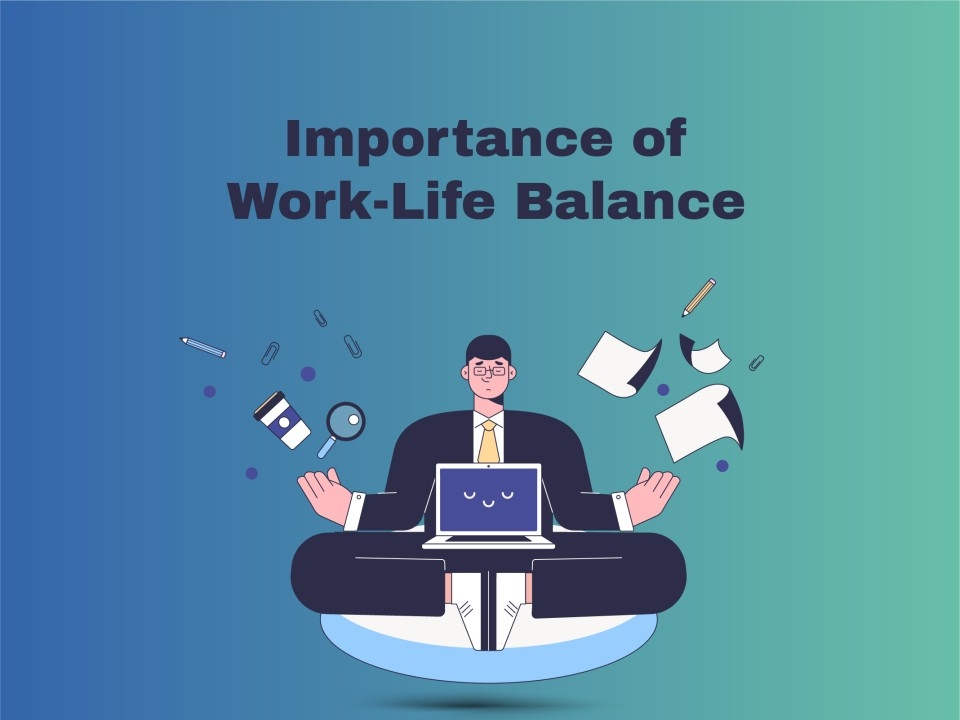
Why Is Work-Life Balance Important?
In today’s fast-paced and hyperconnected world, work-life balance has become a critical aspect of both personal well-being and professional effectiveness. While work provides financial stability, career growth, and purpose, personal life offers rest, relationships, and fulfillment. Striking a healthy balance between these two domains is essential—not just for individual health but also for long-term productivity, satisfaction, and societal well-being.
Despite being widely discussed, the importance of work-life balance is often misunderstood or underestimated. Many individuals and organizations still prioritize immediate output over sustainable practices, leading to chronic stress, burnout, and diminished quality of life. This article explores the multifaceted importance of work-life balance, examining its effects on mental and physical health, productivity, relationships, and organizational success.
Understanding Work-Life Balance
Work-life balance is the equilibrium between professional responsibilities and personal life, allowing individuals to meet the demands of both domains effectively. It is not necessarily about spending equal hours in each sphere but about managing time, energy, and attention in a way that reduces stress and enhances overall well-being.
Core Components
-
Time Management: Allocating sufficient time for work, family, personal interests, and rest.
-
Energy Management: Ensuring work does not drain physical or mental energy required for personal life.
-
Psychological Balance: Maintaining emotional and cognitive stability across competing responsibilities.
Work-life balance is dynamic—it fluctuates based on life stages, career demands, and personal priorities. Understanding its importance requires analyzing its effects in multiple areas of life.
Importance for Mental Health
Reduces Stress and Anxiety
Chronic imbalance between work and personal life leads to heightened stress levels. Excessive workload, long hours, and constant connectivity can create a sense of pressure that permeates all aspects of life. Adequate balance allows individuals to decompress, process challenges, and maintain a calmer mental state.
Prevents Burnout
Burnout is a syndrome characterized by emotional exhaustion, cynicism, and reduced efficacy. It is often caused by prolonged exposure to work-related stress without sufficient recovery. Work-life balance provides the necessary breaks, hobbies, and social interactions that prevent burnout and maintain psychological resilience.
Supports Emotional Well-Being
Maintaining personal connections, engaging in leisure activities, and having time for self-reflection promote emotional stability. Emotional well-being enhances coping mechanisms, decision-making, and interpersonal relationships.
Importance for Physical Health
Work-life imbalance can have direct physical consequences. Stress from overwork elevates cortisol levels, disrupts sleep, and increases the risk of cardiovascular disease. Long hours without sufficient rest and exercise contribute to obesity, weakened immunity, and musculoskeletal problems.
Benefits of Balance
-
Better sleep quality
-
Improved cardiovascular health
-
Enhanced immune function
-
More consistent physical activity
A balanced life supports holistic health, ensuring that professional responsibilities do not compromise long-term physical well-being.
Impact on Productivity
Contrary to common belief, working longer hours does not guarantee higher productivity. Extended work without rest reduces focus, increases errors, and diminishes creativity.
Why Balance Boosts Productivity
-
Rested individuals process information more effectively
-
Breaks prevent mental fatigue, sustaining cognitive performance
-
Personal fulfillment increases engagement and motivation at work
Organizations that promote work-life balance often experience higher output per employee, even if total hours are reduced.
Strengthening Personal Relationships
Work-life balance is crucial for maintaining healthy relationships. Family, friendships, and social networks provide support, fulfillment, and perspective. Neglecting these connections due to overwork can result in isolation, conflict, and decreased quality of life.
Practical Benefits
-
Stronger emotional support networks
-
Increased satisfaction in personal relationships
-
Better parenting and family involvement
-
Enhanced social well-being
Maintaining relationships outside work creates a foundation of stability that enhances both personal and professional life.
Enhancing Career Longevity
Long-term career success is dependent on sustainable work habits. Overworking early in a career may produce short-term gains but often leads to burnout, health issues, and diminished creativity.
How Balance Supports Careers
-
Sustains energy and motivation over years
-
Fosters continuous learning without exhaustion
-
Builds resilience for handling workplace challenges
-
Encourages professional growth without sacrificing health
Work-life balance is an investment in the longevity of one’s career and overall professional performance.
Importance for Mental Clarity and Decision-Making
High stress and exhaustion impair cognitive functions, including memory, attention, and problem-solving skills. Individuals with balanced schedules demonstrate improved decision-making, strategic thinking, and emotional intelligence.
Key Advantages
-
Reduced cognitive errors
-
Better prioritization of tasks
-
Enhanced creativity and innovation
-
Greater adaptability to changing conditions
Maintaining mental clarity through balance ensures professional decisions are effective and well-informed.
Organizational Importance
Work-life balance is not only an individual concern but also a crucial organizational priority.
Reduced Turnover
Employees who feel overworked are more likely to leave. Promoting balance reduces attrition, saving costs related to recruitment and training.
Higher Engagement
Balanced employees are more engaged, committed, and motivated. Engagement drives productivity, creativity, and overall workplace morale.
Positive Workplace Culture
Organizations that encourage balance foster trust, loyalty, and a sense of care among employees. This contributes to a collaborative and supportive environment.
Better Reputation
Companies known for promoting work-life balance attract top talent, increasing competitiveness and organizational resilience.
Work-Life Balance in the Digital Age
Digital connectivity has blurred the boundaries between work and personal life. Constant emails, messages, and remote access create the expectation of availability, making balance more challenging.
Strategies in the Digital Era
-
Define clear working hours
-
Limit after-hours notifications
-
Use technology to streamline work rather than extend it
-
Promote asynchronous communication when possible
Digital mindfulness ensures that technology supports productivity without undermining balance.
Societal and Cultural Implications
Work-life balance affects society at large. Overworked populations experience higher healthcare costs, reduced community engagement, and lower overall life satisfaction.
Benefits to Society
-
Healthier populations
-
Reduced stress-related illnesses
-
More engaged citizens
-
Stronger family structures
Promoting balance has cascading effects beyond the individual, benefiting communities and economies.
Common Misconceptions
Myth 1: Work-Life Balance Means Equal Time
Balance is not about a strict division of hours but about fulfillment and sustainable management of responsibilities.
Myth 2: Balance Requires Reducing Work Commitment
Balance can coexist with ambition and productivity. The focus is on efficiency, prioritization, and sustainable effort.
Myth 3: Balance Is Only Personal
Organizations, teams, and societal systems play a key role. Work-life balance is a shared responsibility between individuals and the structures they operate within.
Achieving and Maintaining Balance
Practical Steps
-
Set Boundaries: Clearly separate work and personal time.
-
Prioritize: Focus on high-impact tasks at work and in life.
-
Use Flexibility: Take advantage of remote work, flexible hours, and adaptable schedules.
-
Practice Self-Care: Prioritize sleep, nutrition, exercise, and leisure.
-
Seek Support: Communicate with managers, family, and peers.
-
Reflect Regularly: Adjust based on current life and work demands.
Balance is an ongoing process, requiring attention, adjustment, and deliberate effort.
Conclusion
Work-life balance is vital for holistic well-being, sustainable productivity, and long-term career and personal success. It impacts mental and physical health, strengthens relationships, enhances productivity, and contributes to organizational effectiveness. In an era of constant connectivity and high demands, neglecting balance carries significant costs—stress, burnout, and diminished quality of life.
By understanding its importance and actively managing time, energy, and priorities, individuals can achieve a sustainable equilibrium that supports both professional ambitions and personal fulfillment. Organizations, in turn, benefit from healthier, more engaged, and more productive employees. Ultimately, work-life balance is not just a personal goal—it is a strategic imperative for thriving in the modern world.
- Arts
- Business
- Computers
- Oyunlar
- Health
- Home
- Kids and Teens
- Money
- News
- Personal Development
- Recreation
- Regional
- Reference
- Science
- Shopping
- Society
- Sports
- Бизнес
- Деньги
- Дом
- Досуг
- Здоровье
- Игры
- Искусство
- Источники информации
- Компьютеры
- Личное развитие
- Наука
- Новости и СМИ
- Общество
- Покупки
- Спорт
- Страны и регионы
- World

 English
 Russian
 French
 Spanish
 Portuguese
 Deutsch
 Dutch
Dutch
 Italiano
 Arabic
 Romaian
 Portuguese (Brazil)
 Greek
Greek