
What are signs of poor work-life balance?
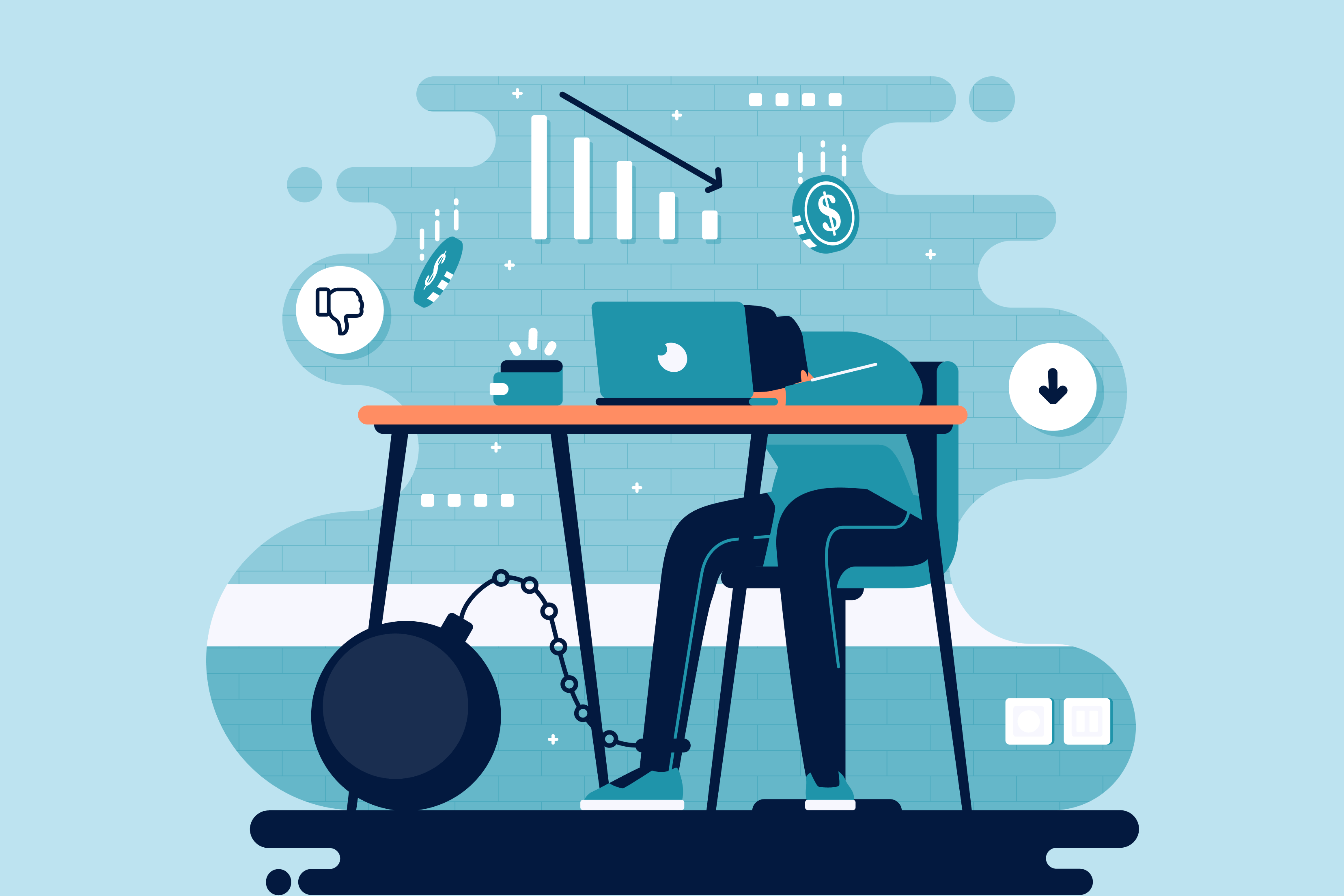
What Are Signs of Poor Work-Life Balance?
In an increasingly demanding and connected world, maintaining a healthy work-life balance has become more challenging than ever. While striving for success and fulfilling responsibilities is important, neglecting personal well-being and overextending work commitments can have serious consequences. Poor work-life balance can affect mental and physical health, productivity, relationships, and overall life satisfaction. Recognizing the signs of imbalance is crucial for taking proactive steps to restore harmony and prevent long-term issues.
This article provides an in-depth exploration of the common signs of poor work-life balance, the underlying causes, and the consequences, along with strategies to identify and correct these patterns.
Understanding Work-Life Balance
Work-life balance refers to the equilibrium between professional duties and personal life responsibilities, where neither sphere consistently overwhelms the other. It is not merely about allocating equal hours to work and life; it’s about sustainably managing energy, time, and attention so that both areas receive sufficient focus and fulfillment.
Poor work-life balance occurs when work or other external obligations dominate life, leaving insufficient time for personal health, relationships, leisure, and self-development. The effects can be subtle initially but often escalate into stress, burnout, and reduced quality of life.
Common Signs of Poor Work-Life Balance
The signs of imbalance often manifest in multiple domains: physical health, mental well-being, social life, work performance, and personal fulfillment. Recognizing these signals early allows individuals to intervene before long-term damage occurs.
1. Chronic Stress and Fatigue
-
Constant Mental Pressure: Individuals feel persistently anxious or overwhelmed by responsibilities.
-
Difficulty Relaxing: Even during personal time, the mind is preoccupied with work tasks or deadlines.
-
Exhaustion: Persistent tiredness, even after adequate rest, indicates that energy is being depleted faster than it can be restored.
Chronic stress is one of the earliest and most visible signs of imbalance and can affect all other areas of life.
2. Physical Health Problems
Poor balance often manifests physically, as the body reacts to prolonged stress and neglect of self-care.
-
Sleep Disturbances: Trouble falling or staying asleep due to overthinking or extended work hours.
-
Frequent Illness: Increased susceptibility to colds, infections, or other stress-related conditions.
-
Muscle Tension or Pain: Headaches, back pain, or neck stiffness caused by prolonged sitting or tension.
-
Weight Fluctuations: Stress-related overeating, under-eating, or lack of exercise affecting physical health.
Ignoring these symptoms can lead to chronic illness and long-term health consequences.
3. Emotional and Mental Strain
Poor work-life balance affects emotional stability and cognitive function.
-
Irritability and Mood Swings: Short temper, frustration, or emotional outbursts, often triggered by minor inconveniences.
-
Decreased Motivation: Feeling disengaged from both work and personal activities.
-
Feeling Overwhelmed: Difficulty handling even routine tasks due to mental exhaustion.
-
Anxiety and Depression: Persistent imbalance can contribute to serious mental health conditions over time.
Emotional signs often precede visible health or productivity declines, making them critical warning signals.
4. Neglect of Personal Life
When work dominates, personal relationships and activities often suffer.
-
Strained Relationships: Family and friends notice decreased availability or engagement.
-
Missed Social Opportunities: Regular social gatherings or personal milestones are sacrificed for work.
-
Lack of Leisure or Hobbies: Interests outside work are neglected, leading to decreased fulfillment.
-
Isolation: Social disconnection can increase feelings of loneliness and dissatisfaction.
Personal neglect reduces resilience, making individuals more vulnerable to stress and burnout.
5. Poor Work Performance
Ironically, poor work-life balance can also negatively impact professional performance.
-
Decreased Focus: Mental fatigue reduces concentration and attention to detail.
-
Higher Error Rates: Fatigue and stress increase mistakes.
-
Procrastination: Tasks feel overwhelming, leading to delays.
-
Reduced Creativity: Overworked minds struggle to generate innovative ideas.
This creates a negative cycle where poor balance affects productivity, which then increases stress and imbalance.
6. Difficulty Disconnecting from Work
A major indicator of imbalance is the inability to separate work from personal life.
-
Checking Emails Constantly: Even during personal time, messages and notifications are compulsively checked.
-
Working Long Hours Regularly: Overtime becomes routine rather than occasional.
-
Feeling Guilty About Taking Breaks: Individuals believe they must be productive at all times to be successful.
Blurring boundaries between work and life erodes mental recovery, contributing to chronic fatigue and stress.
7. Neglect of Self-Care
Individuals with poor balance often deprioritize basic self-care.
-
Irregular Meals: Skipping meals or eating unhealthily due to time constraints.
-
Lack of Exercise: Physical activity is ignored, contributing to health decline.
-
Neglected Mental Health: Minimal time for relaxation, reflection, or therapy.
Neglecting self-care exacerbates stress, reduces energy, and diminishes overall well-being.
8. Increased Dependence on Coping Mechanisms
Some individuals compensate for imbalance with unhealthy habits:
-
Excessive caffeine or energy drinks to combat fatigue
-
Alcohol or substance use to relieve stress
-
Overeating or binge eating for comfort
These coping strategies temporarily mask imbalance but often worsen long-term health and emotional stability.
9. Feeling Unfulfilled or Disconnected
Poor balance often leaves individuals feeling that their life lacks meaning or satisfaction.
-
Professional Discontent: Work no longer feels rewarding or aligned with goals.
-
Personal Dissatisfaction: Life outside work feels empty or uninteresting.
-
Sense of Loss: Missing personal milestones, experiences, or achievements due to work commitments.
This lack of fulfillment affects both mental well-being and long-term motivation.
Causes of Poor Work-Life Balance
Understanding the underlying causes helps address these signs effectively.
1. Job Demands
-
High workloads, tight deadlines, and 24/7 accessibility.
-
Unrealistic expectations or lack of support from management.
2. Technology and Connectivity
-
Smartphones and remote work make employees accessible at all times.
-
Constant notifications disrupt focus and personal time.
3. Personal Habits
-
Difficulty setting boundaries or saying no.
-
Perfectionism leading to overcommitment.
4. Life Circumstances
-
Caregiving responsibilities, family obligations, or major life changes can intensify imbalance.
Recognizing these causes is the first step in restoring balance.
Consequences of Ignoring Poor Work-Life Balance
Failing to address imbalance can have severe long-term consequences:
-
Chronic Health Problems: Cardiovascular disease, sleep disorders, and weakened immunity.
-
Mental Health Issues: Anxiety, depression, or burnout.
-
Relationship Strain: Conflicts, separation, or social isolation.
-
Professional Setbacks: Decreased productivity, higher error rates, and career stagnation.
-
Life Dissatisfaction: A general sense of unhappiness and missed personal fulfillment.
Strategies to Address Poor Work-Life Balance
Recognizing signs is the first step; taking action is critical.
1. Set Boundaries
-
Define work hours and personal time.
-
Communicate boundaries clearly to colleagues and family.
2. Prioritize Tasks
-
Focus on high-impact work.
-
Delegate responsibilities when possible.
3. Practice Self-Care
-
Schedule regular sleep, exercise, and leisure activities.
-
Engage in mindfulness or relaxation practices.
4. Leverage Organizational Support
-
Utilize flexible work arrangements or remote work policies.
-
Seek help from managers or HR when workload is overwhelming.
5. Reflect and Adjust
-
Regularly assess time allocation and energy levels.
-
Adjust routines and habits to restore balance.
Conclusion
Recognizing the signs of poor work-life balance is critical for personal well-being, professional effectiveness, and long-term life satisfaction. Key indicators include chronic stress, physical health problems, emotional strain, neglect of personal life, poor work performance, inability to disconnect from work, neglect of self-care, reliance on unhealthy coping mechanisms, and feelings of disconnection or unfulfillment.
Addressing these signs proactively through boundary-setting, prioritization, self-care, and organizational support can restore equilibrium, enhancing mental and physical health, relationships, productivity, and overall life satisfaction. Poor work-life balance is not only a personal challenge but a societal concern, and recognizing its signs is the first step toward healthier, more sustainable living.
- Arts
- Business
- Computers
- Spellen
- Health
- Home
- Kids and Teens
- Money
- News
- Personal Development
- Recreation
- Regional
- Reference
- Science
- Shopping
- Society
- Sports
- Бизнес
- Деньги
- Дом
- Досуг
- Здоровье
- Игры
- Искусство
- Источники информации
- Компьютеры
- Личное развитие
- Наука
- Новости и СМИ
- Общество
- Покупки
- Спорт
- Страны и регионы
- World

 English
 Russian
 French
 Spanish
 Portuguese
 Deutsch
 Turkish
 Italiano
 Arabic
 Romaian
 Portuguese (Brazil)
 Greek
Greek