
What is Knowledge Management in Relation to Knowledge Capital?
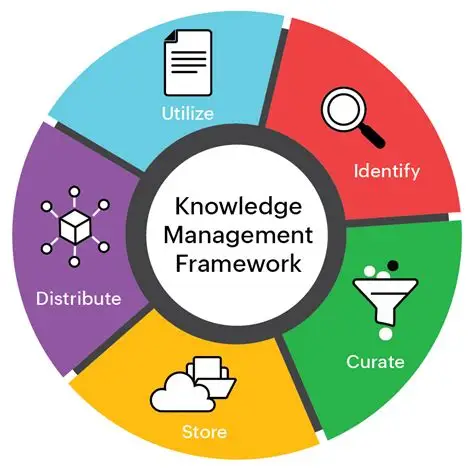
In today’s knowledge-driven economy, organizations rely heavily on knowledge as a key resource for success. However, simply having knowledge is not enough. Companies must effectively manage, organize, and utilize it to create value. This is where knowledge management (KM) plays a crucial role.
Knowledge management is closely linked to knowledge capital, as it provides the systems and processes needed to develop, store, share, and apply knowledge within an organization. While knowledge capital represents the asset, knowledge management is the method used to manage that asset.
Understanding the relationship between knowledge management and knowledge capital is essential for organizations that want to improve performance, enhance innovation, and maintain a competitive advantage.
In this article, we will explore what knowledge management is, how it relates to knowledge capital, and why it is important for modern organizations.
What is Knowledge Management?
Knowledge management refers to the process of creating, capturing, storing, sharing, and using knowledge within an organization.
It involves:
- Collecting knowledge
- Organizing information
- Sharing knowledge across teams
- Applying knowledge to achieve goals
In simple terms, knowledge management is the process of managing knowledge effectively.
What is Knowledge Capital?
Knowledge capital is the value of knowledge within an organization.
It includes:
- Employee expertise
- Organizational processes
- Intellectual property
In simple terms, knowledge capital is the knowledge that creates value.
Relationship Between Knowledge Management and Knowledge Capital
Knowledge management and knowledge capital are closely connected.
Key relationship:
- Knowledge capital is the asset
- Knowledge management is the system that manages the asset
Without knowledge management, knowledge capital cannot be effectively used.
How Knowledge Management Supports Knowledge Capital
1. Creates Knowledge Capital
Knowledge management helps generate new knowledge.
Methods:
- Research and development
- Innovation initiatives
- Problem-solving
2. Captures Knowledge
Ensures valuable knowledge is recorded.
Examples:
- Documentation
- Reports
- Databases
3. Stores Knowledge
Organizes knowledge for easy access.
Tools:
- Knowledge management systems
- Digital storage platforms
4. Shares Knowledge
Distributes knowledge across the organization.
Methods:
- Collaboration
- Meetings
- Online platforms
5. Applies Knowledge
Uses knowledge to achieve business goals.
Examples:
- Decision-making
- Process improvement
- Innovation
Key Components of Knowledge Management
1. People
Employees who create and share knowledge.
2. Processes
Methods for managing knowledge.
3. Technology
Tools that support knowledge management.
Role of HR in Knowledge Management
HR plays a key role in implementing knowledge management.
Responsibilities include:
- Encouraging knowledge sharing
- Providing training and development
- Supporting collaboration
- Managing employee knowledge
Benefits of Knowledge Management for Knowledge Capital
1. Improves Knowledge Utilization
Ensures knowledge is used effectively.
2. Prevents Knowledge Loss
Retains knowledge even when employees leave.
3. Enhances Collaboration
Encourages teamwork and communication.
4. Supports Innovation
Promotes new ideas and solutions.
5. Increases Efficiency
Reduces duplication and errors.
Examples of Knowledge Management in Practice
1. Knowledge Databases
Centralized storage of information.
2. Internal Wikis
Platforms for sharing knowledge.
3. Training Programs
Developing employee knowledge.
4. Collaboration Tools
Facilitating communication and teamwork.
Challenges in Knowledge Management
1. Knowledge Silos
Information not shared across teams.
2. Employee Resistance
Employees may not share knowledge.
3. Outdated Information
Knowledge may become obsolete.
4. Technology Limitations
Inadequate systems can hinder management.
Strategies for Effective Knowledge Management
1. Create a Knowledge-Sharing Culture
Encourage openness and collaboration.
2. Use Technology
Implement knowledge management systems.
3. Provide Training
Teach employees how to manage knowledge.
4. Document Knowledge
Capture processes and best practices.
5. Reward Knowledge Sharing
Incentivize employees to share information.
Role of Technology
Technology is essential for knowledge management.
Tools include:
- Knowledge management systems
- Collaboration platforms
- Cloud storage
Knowledge Management in the Digital Age
Digital transformation has enhanced knowledge management.
Trends include:
- Remote collaboration
- AI-powered knowledge systems
- Real-time data access
Future of Knowledge Management and Knowledge Capital
1. AI Integration
Automated knowledge systems.
2. Data-Driven Insights
Using analytics to manage knowledge.
3. Global Knowledge Sharing
Collaboration across borders.
4. Continuous Learning
Ongoing development of knowledge.
Best Practices for Knowledge Management
1. Align with Business Goals
Ensure knowledge supports strategy.
2. Use Integrated Systems
Combine knowledge and data tools.
3. Promote Collaboration
Encourage teamwork.
4. Monitor and Improve
Continuously evaluate systems.
5. Engage Employees
Encourage participation.
Conclusion
Knowledge management is essential for effectively utilizing knowledge capital. While knowledge capital represents the value of knowledge within an organization, knowledge management provides the processes and systems needed to manage that knowledge.
Together, they enable organizations to improve efficiency, drive innovation, and maintain a competitive advantage. HR plays a key role in supporting knowledge management by fostering a culture of learning, collaboration, and continuous improvement.
In a rapidly evolving business environment, strong knowledge management practices are critical for maximizing the value of knowledge capital.
- Arts
- Business
- Computers
- Spiele
- Health
- Startseite
- Kids and Teens
- Geld
- News
- Personal Development
- Recreation
- Regional
- Reference
- Science
- Shopping
- Society
- Sports
- Бизнес
- Деньги
- Дом
- Досуг
- Здоровье
- Игры
- Искусство
- Источники информации
- Компьютеры
- Личное развитие
- Наука
- Новости и СМИ
- Общество
- Покупки
- Спорт
- Страны и регионы
- World

 English
 Russian
 French
 Spanish
 Portuguese
 Turkish
 Dutch
Dutch
 Italiano
 Arabic
 Romaian
 Portuguese (Brazil)
 Greek
Greek