
How do I stop procrastinating?
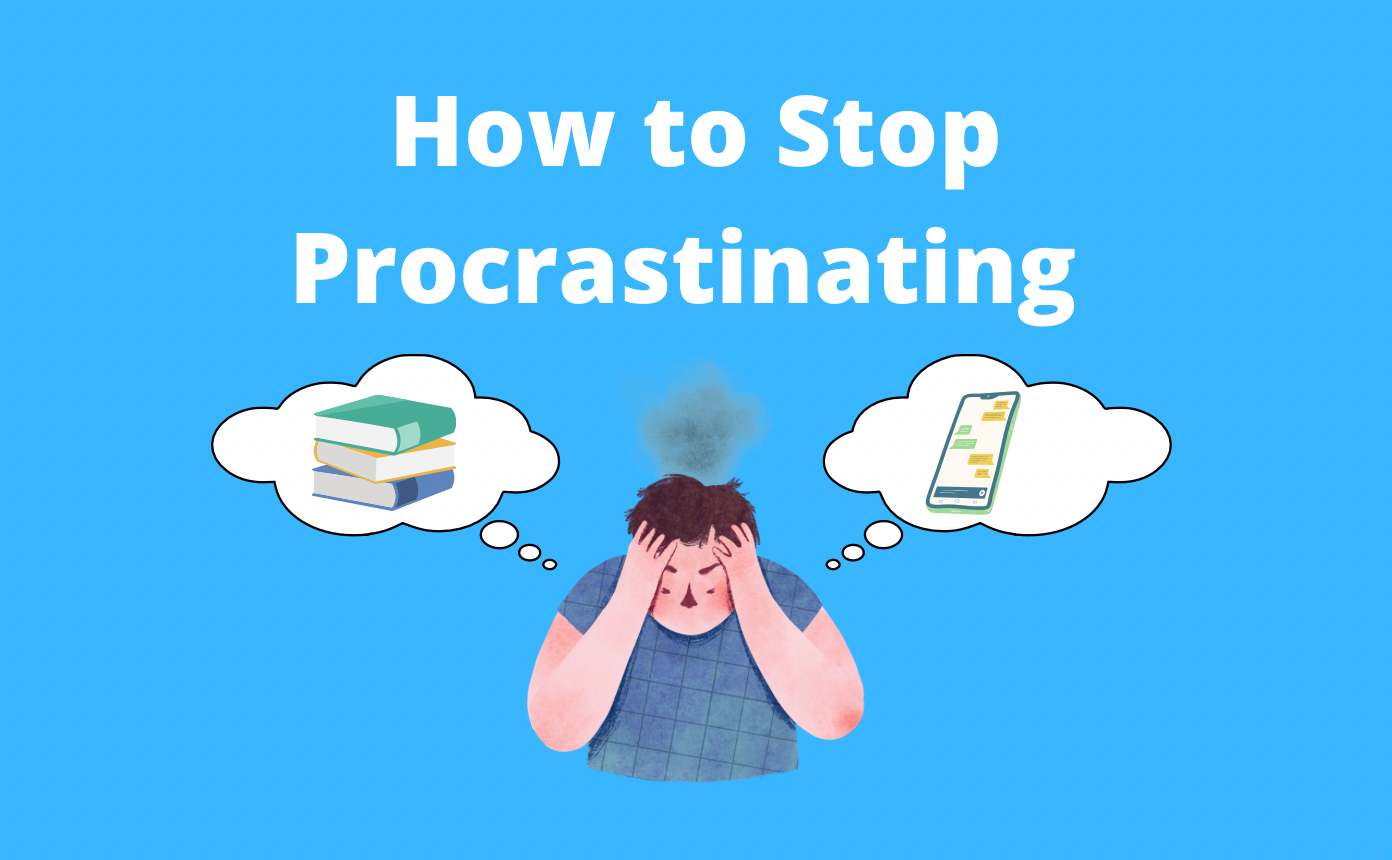
How Do I Stop Procrastinating?
Procrastination is not simply laziness or poor discipline—it is a complex behavioral pattern rooted in how we manage emotions, expectations, and cognitive effort. Most people already know what they should be doing. The problem lies in why they don’t do it, despite that knowledge.
If you want to stop procrastinating, you need more than motivation. You need a structured system that addresses the underlying causes—friction, fear, overwhelm, and lack of clarity—while making action the default behavior.
This guide breaks procrastination down into its core mechanisms and provides practical, repeatable strategies to overcome it.
1. Understand What Procrastination Really Is
At its core, procrastination is emotional avoidance.
You delay tasks not because they are hard, but because they trigger discomfort:
-
Boredom
-
Anxiety
-
Self-doubt
-
Perfectionism
-
Uncertainty
Your brain prioritizes short-term relief over long-term benefit. Avoiding the task reduces discomfort temporarily, which reinforces the habit.
Key insight:
You are not avoiding the task—you are avoiding how the task makes you feel.
Until you address that layer, productivity techniques alone will have limited impact.
2. Identify Your Type of Procrastination
Not all procrastination is the same. Identifying the pattern helps you apply the correct solution.
Common types:
1. Overwhelm-driven procrastination
-
Task feels too large or undefined
-
You don’t know where to start
2. Perfectionism-driven procrastination
-
Fear of doing something poorly
-
Waiting for the “right moment”
3. Avoidance-driven procrastination
-
Task is boring or unpleasant
-
You lack intrinsic motivation
4. Decision paralysis
-
Too many options or unclear direction
Each type requires a different approach.
3. Reduce Tasks to the Smallest Possible Action
Large tasks create psychological resistance.
Solution:
Break tasks into extremely small, actionable steps.
Instead of:
-
“Write a report”
Use:
-
Open the document
-
Write the title
-
Draft the first sentence
Why this works:
-
Lowers the barrier to starting
-
Creates immediate momentum
-
Reduces overwhelm
Once you begin, continuing becomes significantly easier.
4. Use the “5-Minute Rule”
Commit to working on a task for just five minutes.
Key principle:
You are not committing to finishing—only to starting.
Outcome:
-
Most of the time, you continue beyond five minutes
-
Even if you stop, you’ve made progress
This technique bypasses resistance by making the task feel manageable.
5. Eliminate Ambiguity
Unclear tasks are easy to avoid.
Example:
-
“Work on project” → vague → procrastination
-
“Write introduction paragraph” → specific → actionable
Strategy:
Define:
-
What exactly needs to be done
-
What “done” looks like
-
How long it should take
Clarity reduces cognitive load and increases execution speed.
6. Create Immediate Consequences
Procrastination thrives when there are no immediate stakes.
Solutions:
-
Set deadlines (even artificial ones)
-
Use accountability (tell someone your plan)
-
Attach rewards or penalties
Example:
-
“If I don’t finish this by 6 PM, I lose access to entertainment tonight”
The brain responds more strongly to immediate consequences than distant ones.
7. Remove Distractions Aggressively
Distractions are often the easiest escape from discomfort.
Common sources:
-
Phone notifications
-
Social media
-
Background noise
-
Multitasking
Countermeasures:
-
Put your phone in another room
-
Use website blockers
-
Work in a clean, distraction-free space
Reducing distractions increases the likelihood of starting and staying focused.
8. Use Time Blocks and Deadlines
Open-ended time encourages procrastination.
Instead:
-
Assign tasks to specific time blocks
-
Use timers to create urgency
Example:
-
10:00–11:00 → Work on presentation
This creates structure and reduces decision-making.
9. Build a Consistent Start Ritual
Starting is often the hardest part.
A start ritual signals your brain that it’s time to work.
Examples:
-
Clear your desk
-
Open necessary tools
-
Review your task list
Repeating the same sequence daily conditions your brain to transition into focus mode more easily.
10. Address Perfectionism Directly
Perfectionism is one of the most common causes of procrastination.
Problem:
You delay starting because you want the result to be flawless.
Solution:
-
Lower your initial standard
-
Focus on producing a rough draft
Rule:
“Make it bad, then make it better.”
Progress requires iteration, not perfection.
11. Use the “Next Action” Principle
When you stop working on something, define the next step before leaving.
Example:
Instead of ending with:
-
“Continue later”
Write:
-
“Next: write second paragraph”
This removes friction when you return and reduces the chance of avoidance.
12. Limit Your Daily Task List
Too many tasks create overwhelm and indecision.
Optimal approach:
-
Focus on 3–5 key tasks per day
-
Prioritize one “must-do” task
Completing fewer, high-impact tasks is more effective than partially completing many.
13. Change Your Environment
Your surroundings influence your behavior.
Adjustments:
-
Work in a dedicated space
-
Remove clutter
-
Use noise control (silence or consistent background noise)
A focused environment reduces mental resistance.
14. Leverage Momentum
Action creates motivation—not the other way around.
Key idea:
You don’t wait to feel motivated—you act first.
Strategy:
-
Start with an easy task
-
Build momentum gradually
Once you’re in motion, continuing becomes easier.
15. Use Rewards Strategically
Rewarding progress reinforces productive behavior.
Examples:
-
Take a break after completing a task
-
Allow yourself entertainment after focused work
Important:
Rewards should be tied to completion, not avoidance.
16. Track Your Behavior
Awareness is a powerful tool.
Track:
-
When you procrastinate
-
What tasks you avoid
-
Why you avoid them
Outcome:
You’ll identify patterns and triggers, allowing targeted improvements.
17. Accept Discomfort as Part of the Process
Trying to eliminate discomfort entirely is unrealistic.
Reality:
-
Some tasks will always feel unpleasant
-
Waiting for the “right mood” is ineffective
Shift your mindset:
-
Accept discomfort as temporary
-
Focus on long-term outcomes
Discomfort is not a signal to stop—it’s part of meaningful work.
18. Use External Structure When Needed
If self-discipline isn’t enough, introduce external constraints.
Options:
-
Work with deadlines imposed by others
-
Join study/work groups
-
Use accountability partners
External pressure can compensate for internal resistance.
19. Avoid All-or-Nothing Thinking
Many people procrastinate because they feel they need large blocks of time.
Reality:
-
Small progress is still progress
Strategy:
-
Use short time windows effectively
-
Even 10–15 minutes can move a task forward
Consistency matters more than intensity.
20. Build Identity-Based Habits
Long-term change requires identity shifts.
Instead of:
-
“I need to stop procrastinating”
Adopt:
-
“I am someone who takes action quickly”
Reinforcement:
-
Act in alignment with that identity daily
-
Small actions compound into behavioral change
21. Reflect and Adjust Regularly
Procrastination is not solved once—it’s managed continuously.
Daily reflection:
-
What did I delay today?
-
Why did I delay it?
-
What can I change tomorrow?
This feedback loop ensures ongoing improvement.
22. Focus on Starting, Not Finishing
Finishing a task can feel overwhelming.
Shift your focus:
-
Prioritize starting consistently
Once started:
-
Momentum takes over
-
Completion becomes more likely
Starting is the highest-leverage action.
Conclusion
Stopping procrastination is not about becoming perfectly disciplined—it’s about reducing resistance, increasing clarity, and making action easier than avoidance.
The most effective strategies include:
-
Breaking tasks into small steps
-
Eliminating ambiguity
-
Managing your environment
-
Creating structure and accountability
-
Accepting discomfort
If you want immediate results, begin with three actions:
-
Break your current task into the smallest step possible
-
Work on it for five minutes
-
Remove your biggest distraction
Repeat this daily, and you’ll gradually rewire your behavior.
Procrastination is not a permanent trait—it’s a pattern. And with the right system, it’s one you can consistently overcome.
- Arts
- Business
- Computers
- Игры
- Health
- Главная
- Kids and Teens
- Деньги
- News
- Personal Development
- Recreation
- Regional
- Reference
- Science
- Shopping
- Society
- Sports
- Бизнес
- Деньги
- Дом
- Досуг
- Здоровье
- Игры
- Искусство
- Источники информации
- Компьютеры
- Личное развитие
- Наука
- Новости и СМИ
- Общество
- Покупки
- Спорт
- Страны и регионы
- World

 English
 French
 Spanish
 Portuguese
 Deutsch
 Turkish
 Dutch
Dutch
 Italiano
 Arabic
 Romaian
 Portuguese (Brazil)
 Greek
Greek
