
How can I improve my work-life balance?
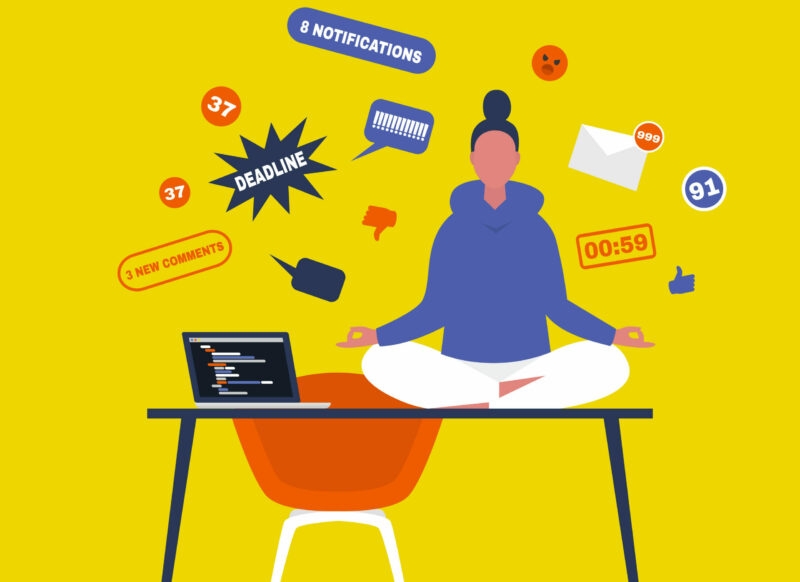
How Can I Improve My Work-Life Balance?
Work-life balance is often framed as a simple division between professional responsibilities and personal life. In reality, it’s far more nuanced. It’s not about splitting your time evenly—it’s about aligning your time, energy, and priorities in a way that supports both your professional goals and your personal well-being.
Many people struggle with work-life balance not because they lack time, but because they lack structure, boundaries, and clarity. Improving balance requires intentional design, not reactive adjustments.
This article breaks down the core principles and practical strategies you can use to build a sustainable and effective work-life balance.
1. Redefine What Work-Life Balance Means
The first step is understanding that balance does not mean equal time allocation.
Common misconception:
-
50% work, 50% life
Reality:
Balance is about satisfaction and sustainability, not symmetry.
At certain times, work may demand more attention. At others, personal life takes priority. The goal is to avoid chronic imbalance—where one domain consistently drains the other.
Ask yourself:
-
Do I feel consistently overwhelmed?
-
Am I neglecting important areas of my life?
-
Do I have time to rest and recover?
Your answers define your current balance.
2. Identify Your Priorities Clearly
You cannot balance everything equally. Prioritization is essential.
Key areas to consider:
-
Career and professional growth
-
Health (physical and mental)
-
Relationships
-
Personal development
-
Leisure and recovery
Strategy:
-
Rank these areas based on current importance
-
Allocate time intentionally based on that ranking
Without clear priorities, your schedule will default to urgency rather than importance.
3. Set Firm Boundaries Between Work and Personal Life
Lack of boundaries is one of the main causes of poor work-life balance.
Common boundary issues:
-
Checking emails after work hours
-
Working during personal time
-
Being constantly available
Solutions:
-
Define clear working hours
-
Communicate availability to colleagues
-
Avoid work-related tasks outside designated times
Example:
-
Stop checking work messages after 7 PM
-
Avoid starting new tasks late in the day
Boundaries protect your time and mental space.
4. Design a Structured Daily Schedule
Unstructured time often leads to work spilling into personal life.
Use time blocking:
-
Assign specific time slots for work, personal activities, and rest
-
Include buffer time between tasks
Example:
-
09:00–17:00 → Work
-
17:00–18:00 → Exercise
-
18:00–20:00 → Personal time
Structure ensures that each area receives attention.
5. Learn to Disconnect From Work
Even when not working, many people remain mentally engaged with work.
Signs:
-
Thinking about tasks constantly
-
Checking messages during downtime
-
Difficulty relaxing
Strategies:
-
Turn off work notifications after hours
-
Create a shutdown ritual at the end of the day
-
Engage in activities that require full attention (e.g., exercise, hobbies)
Disconnection is essential for recovery.
6. Manage Your Energy, Not Just Time
Work-life balance is not just about hours—it’s about energy distribution.
High-energy activities:
-
Deep work
-
Problem-solving
Low-energy activities:
-
Watching content
-
Casual socializing
Strategy:
-
Schedule demanding work during peak energy periods
-
Reserve low-energy times for relaxation
Proper energy management prevents burnout.
7. Avoid Overcommitment
Saying yes to too many responsibilities is a direct path to imbalance.
Common causes:
-
Fear of missing opportunities
-
Desire to please others
-
Lack of prioritization
Solution:
-
Evaluate commitments before accepting
-
Decline low-priority tasks
-
Protect your schedule
Every commitment has a time cost—be selective.
8. Make Time for Recovery
Rest is not optional—it is a requirement for sustained performance.
Types of recovery:
-
Physical (sleep, relaxation)
-
Mental (disconnection from work)
-
Emotional (time with supportive people)
Practical steps:
-
Maintain consistent sleep patterns
-
Schedule downtime intentionally
-
Take regular breaks
Without recovery, productivity declines and stress increases.
9. Use the “Non-Negotiable Time” Concept
Certain activities should be protected at all costs.
Examples:
-
Exercise
-
Family time
-
Sleep
Implementation:
-
Block these activities in your calendar
-
Treat them as fixed commitments
This ensures that essential aspects of your life are not sacrificed.
10. Improve Efficiency at Work
Better efficiency reduces the time required for work, freeing up personal time.
Strategies:
-
Prioritize high-impact tasks
-
Minimize distractions
-
Use time blocks for focused work
Working longer hours is not the solution—working smarter is.
11. Create a Clear End to Your Workday
Without a defined endpoint, work can extend indefinitely.
End-of-day routine:
-
Review completed tasks
-
Plan the next day
-
Close all work-related tools
This signals your brain to transition out of work mode.
12. Limit Digital Overload
Technology blurs the line between work and personal life.
Issues:
-
Constant notifications
-
Social media distractions
-
Information overload
Solutions:
-
Set specific times for checking messages
-
Use “Do Not Disturb” modes
-
Reduce unnecessary digital consumption
Controlling your digital environment improves balance.
13. Align Your Work With Your Values
Work that conflicts with your values creates stress and imbalance.
Questions to consider:
-
Does my work align with my long-term goals?
-
Does it provide meaning or satisfaction?
If not, consider adjustments:
-
Changing responsibilities
-
Setting new boundaries
-
Exploring alternative paths
Alignment reduces internal conflict.
14. Communicate Expectations Clearly
Miscommunication often leads to unnecessary workload.
Examples:
-
Undefined deadlines
-
Unclear responsibilities
-
Assumed availability
Solution:
-
Clarify expectations with colleagues and managers
-
Set realistic timelines
-
Push back when necessary
Clear communication prevents overload.
15. Use Weekends and Days Off Intentionally
Time off should be used for recovery—not just passive consumption.
Effective use:
-
Engage in meaningful activities
-
Spend time with people
-
Rest intentionally
Avoid turning days off into extensions of work.
16. Build Healthy Habits
Habits reduce the effort required to maintain balance.
Key habits:
-
Regular exercise
-
Consistent sleep schedule
-
Planned meals
These habits support both physical and mental well-being.
17. Recognize Signs of Imbalance Early
Ignoring imbalance leads to burnout.
Warning signs:
-
Constant fatigue
-
Irritability
-
Reduced productivity
-
Lack of motivation
Action:
-
Adjust workload
-
Increase recovery time
-
Reevaluate priorities
Early intervention prevents long-term issues.
18. Avoid Comparing Yourself to Others
Different people have different capacities and priorities.
Problem:
-
Comparing schedules or achievements creates unrealistic expectations
Solution:
-
Focus on your own goals and needs
-
Define balance based on your circumstances
Work-life balance is personal, not universal.
19. Use Micro-Breaks Throughout the Day
Short breaks improve focus and reduce fatigue.
Examples:
-
5–10 minute breaks every hour
-
Stretching or walking
-
Stepping away from screens
These breaks help maintain energy levels.
20. Reevaluate Regularly
Work-life balance is dynamic—it changes over time.
Monthly check-in:
-
Is my schedule sustainable?
-
Am I neglecting any area of my life?
-
What needs adjustment?
Continuous evaluation ensures long-term balance.
Conclusion
Improving work-life balance is not about achieving a perfect split between work and personal life. It’s about creating a system that allows you to perform effectively while maintaining your health, relationships, and overall well-being.
The most impactful strategies include:
-
Setting clear boundaries
-
Prioritizing what matters
-
Structuring your time intentionally
-
Managing your energy
-
Protecting recovery time
If you want to start immediately:
-
Define your working hours and stick to them
-
Schedule one non-negotiable personal activity daily
-
Create a clear end-of-day routine
Work-life balance is not a fixed state—it’s an ongoing process of adjustment and refinement. With the right structure and discipline, you can build a system that supports both your ambitions and your well-being.
- Arts
- Business
- Computers
- Jocuri
- Health
- Home
- Kids and Teens
- Money
- News
- Personal Development
- Recreation
- Regional
- Reference
- Science
- Shopping
- Society
- Sports
- Бизнес
- Деньги
- Дом
- Досуг
- Здоровье
- Игры
- Искусство
- Источники информации
- Компьютеры
- Личное развитие
- Наука
- Новости и СМИ
- Общество
- Покупки
- Спорт
- Страны и регионы
- World

 English
 Russian
 French
 Spanish
 Portuguese
 Deutsch
 Turkish
 Dutch
Dutch
 Italiano
 Arabic
 Portuguese (Brazil)
 Greek
Greek