
How do I avoid burnout?
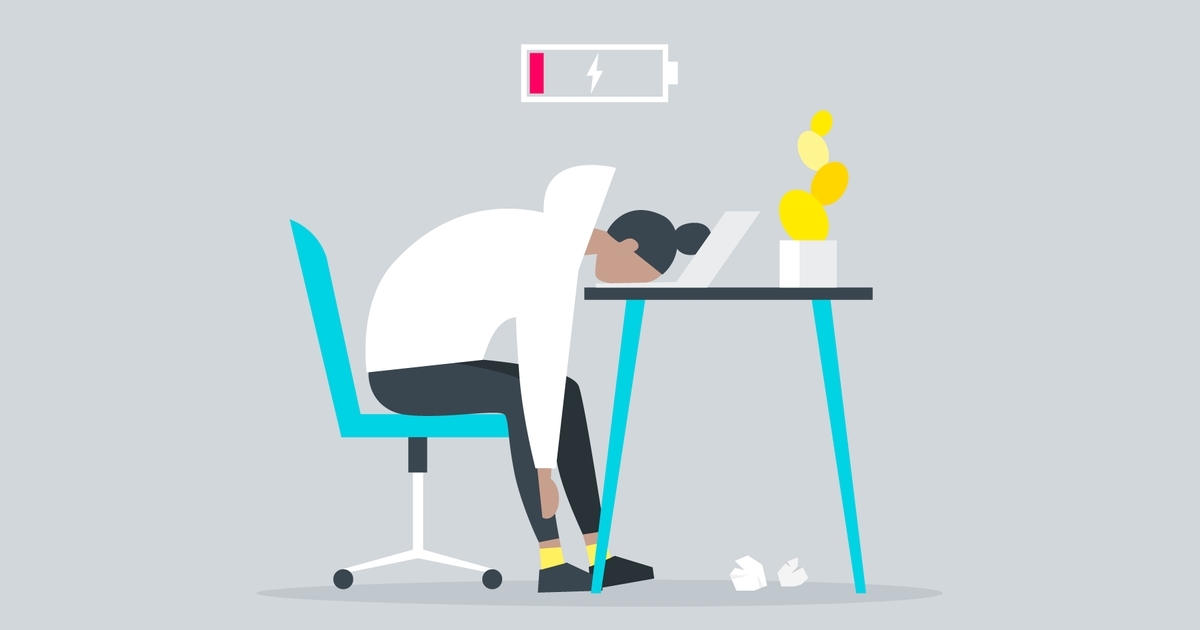
How Do I Avoid Burnout?
Burnout is not simply feeling tired after a long week. It is a sustained state of physical, emotional, and cognitive exhaustion caused by prolonged stress, overwork, and lack of recovery. Unlike ordinary fatigue, burnout does not resolve with a single night of rest—it builds gradually and can significantly impair performance, motivation, and overall well-being.
Avoiding burnout requires more than occasional breaks or vacations. It requires a structured approach to workload management, energy regulation, psychological boundaries, and recovery habits. In essence, burnout prevention is not a reactive strategy—it is a lifestyle system.
This article breaks down how burnout develops and provides practical, evidence-informed strategies to prevent it before it becomes severe.
1. Understand What Burnout Actually Is
Burnout is typically characterized by three core dimensions:
-
Exhaustion: Persistent physical and mental fatigue
-
Cynicism or detachment: Emotional distancing from work or responsibilities
-
Reduced effectiveness: Decline in performance and sense of achievement
It develops gradually and is often normalized at first. Many people mistake early burnout signs for “being busy” or “working hard.”
Key insight:
Burnout is not caused by working hard—it is caused by working hard without adequate recovery over time.
2. Recognize Early Warning Signs
Preventing burnout requires early detection.
Common early indicators:
-
Constant fatigue even after rest
-
Decreased motivation or interest in work
-
Increased irritability or emotional sensitivity
-
Difficulty concentrating
-
Feeling overwhelmed by simple tasks
-
Procrastination increasing despite workload
Behavioral signs:
-
Working longer hours to compensate for inefficiency
-
Neglecting personal time or hobbies
-
Frequently thinking about work during rest
Early recognition is critical because intervention is much easier before burnout becomes severe.
3. Balance Workload With Capacity
One of the most common causes of burnout is sustained overload.
The core issue:
People often assume their capacity is fixed, but it fluctuates based on:
-
Sleep quality
-
Stress levels
-
Emotional state
-
Physical health
Strategy:
-
Do not plan your schedule at maximum capacity
-
Leave buffer space in your workload
-
Avoid back-to-back high-intensity tasks
A sustainable workload should feel manageable on most days—not overwhelming.
4. Set Clear Boundaries Between Work and Rest
Without boundaries, work continuously expands into personal life.
Common boundary failures:
-
Checking work messages after hours
-
Working during weekends
-
Thinking about work constantly during rest
Solutions:
-
Define fixed working hours
-
Avoid work-related communication outside those hours
-
Create a shutdown routine at the end of each day
Example shutdown routine:
-
Review completed tasks
-
Plan the next day
-
Close all work tools
-
Transition into a non-work activity
Boundaries are essential for recovery.
5. Prioritize Recovery as Much as Work
Recovery is not optional—it is part of the productivity system.
Types of recovery:
-
Physical recovery: Sleep, rest, exercise
-
Mental recovery: Breaks, disconnection from work
-
Emotional recovery: Social interaction, hobbies
Key principle:
You cannot sustain output without recovery input.
Neglecting recovery leads directly to burnout, even if productivity initially increases.
6. Manage Energy, Not Just Time
Burnout often occurs when energy is consistently mismanaged.
Energy levels vary:
-
High energy → Deep work, problem-solving
-
Medium energy → Meetings, structured tasks
-
Low energy → Routine or administrative tasks
Strategy:
-
Schedule demanding tasks during peak energy periods
-
Avoid forcing high-focus work when mentally drained
Working against your energy patterns accelerates exhaustion.
7. Avoid Chronic Overcommitment
Overcommitment is one of the strongest predictors of burnout.
Causes:
-
Difficulty saying no
-
Fear of disappointing others
-
Poor prioritization
Solution:
-
Evaluate each request before accepting
-
Decline non-essential responsibilities
-
Protect your capacity intentionally
Every commitment consumes time and mental energy.
8. Reduce Perfectionism
Perfectionism increases workload unnecessarily.
Problem:
-
Tasks take longer than needed
-
Constant refinement leads to exhaustion
-
Fear of mistakes increases stress
Solution:
-
Focus on “good enough” for most tasks
-
Reserve perfection for high-impact work only
-
Accept iteration as part of progress
Done is often better than perfect in sustainable systems.
9. Take Regular Breaks During Work
Working continuously without breaks reduces cognitive efficiency.
Effects of skipping breaks:
-
Reduced focus
-
Increased errors
-
Higher mental fatigue
Strategy:
-
Take short breaks every 60–90 minutes
-
Step away from screens
-
Engage in physical movement
Breaks help reset attention and reduce strain.
10. Maintain a Sustainable Work Pace
Burnout often comes from intensity that is not sustainable long-term.
Problem:
-
Sprinting continuously instead of pacing
Solution:
-
Work at a consistent, moderate pace
-
Avoid extreme bursts of productivity followed by exhaustion
Sustainability is more important than short-term output.
11. Create a Clear Separation Between Work and Identity
When work becomes identity, burnout risk increases significantly.
Problem:
-
Self-worth tied entirely to productivity
-
Difficulty disconnecting from work failures
Solution:
-
Develop interests outside of work
-
Invest in relationships and hobbies
-
Maintain multiple sources of identity
A balanced identity reduces psychological pressure.
12. Improve Sleep Quality
Sleep is one of the most powerful burnout prevention tools.
Effects of poor sleep:
-
Reduced cognitive performance
-
Emotional instability
-
Lower stress tolerance
Strategy:
-
Maintain consistent sleep schedule
-
Avoid screens before bed
-
Prioritize sleep duration and quality
Chronic sleep deprivation is a direct pathway to burnout.
13. Manage Stress Proactively
Burnout is often the result of unmanaged chronic stress.
Stress sources:
-
Work pressure
-
Unclear expectations
-
Lack of control
Management strategies:
-
Break large tasks into smaller steps
-
Clarify expectations early
-
Use planning to reduce uncertainty
Reducing uncertainty reduces stress load.
14. Increase Control Over Your Work
Lack of autonomy increases burnout risk.
Problem:
-
Feeling that all tasks are externally imposed
Solution:
-
Prioritize your own task planning
-
Negotiate deadlines where possible
-
Structure your work independently
Control increases resilience.
15. Avoid Constant Multitasking
Multitasking increases mental load and fatigue.
Effects:
-
Reduced efficiency
-
Higher cognitive strain
-
Increased stress levels
Solution:
-
Focus on one task at a time
-
Batch similar tasks together
Single-tasking reduces cognitive fragmentation.
16. Use Time Off Properly
Time off is essential for recovery, but only if used correctly.
Mistake:
-
Using time off to catch up on work
Correct approach:
-
Fully disconnect from work
-
Engage in restorative activities
-
Avoid checking work communications
Rest must be complete to be effective.
17. Build Support Systems
Isolation increases burnout risk.
Support sources:
-
Friends and family
-
Colleagues
-
Professional support if needed
Benefit:
-
Emotional regulation
-
Reduced stress burden
-
Increased resilience
Human connection is a protective factor.
18. Simplify Your Workload
Complexity increases mental strain.
Strategy:
-
Reduce unnecessary tasks
-
Streamline processes
-
Focus on high-value work
Simplification reduces cognitive overload.
19. Monitor Your Work Patterns Regularly
Burnout prevention requires awareness.
Weekly reflection questions:
-
Am I consistently overworking?
-
Do I feel rested after breaks?
-
Am I losing motivation?
Early detection allows early correction.
20. Accept That Rest Is Productive
One of the most important mindset shifts is understanding that rest is not wasted time.
Reality:
-
Rest improves performance
-
Recovery increases long-term output
-
Breaks prevent decline
Without rest, productivity eventually collapses.
Conclusion
Avoiding burnout is not about working less—it is about working sustainably. It requires a system that balances effort with recovery, intensity with pacing, and responsibility with boundaries.
The most effective principles include:
-
Managing workload realistically
-
Prioritizing recovery and sleep
-
Setting clear boundaries
-
Avoiding overcommitment
-
Aligning work with energy levels
If you want to start immediately:
-
Set a fixed end time for your workday
-
Take structured breaks during work
-
Reduce one unnecessary commitment
Burnout prevention is not a one-time fix—it is an ongoing process of balance and adjustment. With the right structure, you can maintain performance without sacrificing well-being.
- Arts
- Business
- Computers
- Spellen
- Health
- Home
- Kids and Teens
- Money
- News
- Personal Development
- Recreation
- Regional
- Reference
- Science
- Shopping
- Society
- Sports
- Бизнес
- Деньги
- Дом
- Досуг
- Здоровье
- Игры
- Искусство
- Источники информации
- Компьютеры
- Личное развитие
- Наука
- Новости и СМИ
- Общество
- Покупки
- Спорт
- Страны и регионы
- World

 English
 Russian
 French
 Spanish
 Portuguese
 Deutsch
 Turkish
 Italiano
 Arabic
 Romaian
 Portuguese (Brazil)
 Greek
Greek
