
How Does Offshoring Work?
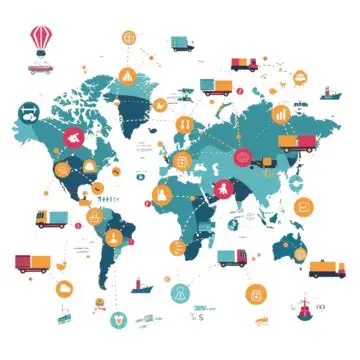
In the globalized and digitally connected economy, businesses are no longer limited by geographic boundaries. One of the most important strategies enabling this shift is offshoring—the relocation of business processes or operations to another country. While the concept may seem straightforward, the actual process of how offshoring works is complex and involves strategic planning, coordination, and continuous management.
Understanding how offshoring works is essential for businesses seeking to improve efficiency, reduce costs, and access global talent. This article provides a detailed explanation of the offshoring process, including its stages, models, operational mechanisms, challenges, and best practices.
The Basic Concept of Offshoring Operations
At its core, offshoring works by transferring specific business activities from a company’s home country to a foreign location. These activities can include:
- Manufacturing
- Customer service
- IT support
- Data analysis
- Research and development
The goal is to leverage advantages such as lower costs, specialized skills, or favorable business environments in the chosen country.
Key Models of Offshoring
Before exploring the process, it is important to understand the two primary models through which offshoring operates:
1. Captive Offshoring (In-House Model)
In this model, a company establishes its own operations in another country.
Features:
- Full ownership and control
- Direct management of employees
- Alignment with company culture and processes
Example:
A company opens a development center in another country to handle software engineering tasks.
2. Offshore Outsourcing (Third-Party Model)
In this model, a company hires an external provider in another country.
Features:
- Lower initial investment
- Access to specialized expertise
- Less direct control
Example:
A business hires a foreign firm to manage customer support services.
Step-by-Step Process of Offshoring
Offshoring typically follows a structured process to ensure success.
Step 1: Identifying Suitable Activities
Not all business functions are suitable for offshoring. Companies must evaluate:
- Which tasks are repetitive or standardized
- Which processes can be performed remotely
- Which activities require less direct supervision
Commonly offshored tasks include:
- IT services
- Back-office operations
- Customer support
Step 2: Defining Objectives
Organizations must clearly define their goals, such as:
- Cost reduction
- Access to skilled labor
- Increased efficiency
- Expansion into new markets
Clear objectives guide the entire offshoring strategy.
Step 3: Selecting the Right Location
Choosing the right country is critical. Factors include:
- Labor costs
- Availability of skilled workers
- Language proficiency
- Political and economic stability
- Infrastructure and technology
Popular offshoring destinations often offer a combination of low costs and strong talent pools.
Step 4: Choosing the Offshoring Model
Companies decide whether to:
- Build their own offshore operation (captive model)
- Partner with a third-party provider (outsourcing model)
This decision depends on:
- Budget
- Desired level of control
- Complexity of tasks
Step 5: Setting Up Operations
This involves establishing the necessary infrastructure:
- Hiring employees or selecting a vendor
- Setting up offices or digital systems
- Implementing communication tools
- Defining workflows and processes
Step 6: Knowledge Transfer
A critical step in offshoring is transferring knowledge from the home team to the offshore team.
This includes:
- Training employees
- Sharing documentation
- Explaining processes and expectations
Effective knowledge transfer ensures consistency and quality.
Step 7: Managing Communication
Communication is one of the most important aspects of offshoring.
Key elements include:
- Regular meetings (virtual or in-person)
- Clear reporting structures
- Use of collaboration tools
- Managing time zone differences
Strong communication reduces misunderstandings and improves performance.
Step 8: Monitoring and Performance Management
Organizations must continuously monitor offshore operations by:
- Tracking performance metrics
- Evaluating quality and efficiency
- Providing feedback
- Making improvements
Step 9: Scaling and Optimization
Once operations are stable, companies may:
- Expand offshore activities
- Optimize processes
- Introduce new technologies
Role of Technology in Offshoring
Technology is essential for enabling offshoring:
Communication Tools
- Video conferencing
- Messaging platforms
- Email systems
Collaboration Platforms
- Project management tools
- Shared workspaces
- Cloud-based systems
Data Management Systems
- Databases
- Analytics platforms
- Knowledge management systems
Automation and AI
- Automating repetitive tasks
- Enhancing decision-making
- Improving efficiency
Types of Tasks Commonly Offshored
Offshoring can apply to a wide range of activities:
Low-Skill Tasks
- Data entry
- Basic customer service
- Administrative work
Medium-Skill Tasks
- IT support
- Accounting
- Marketing operations
High-Skill Tasks (Knowledge Offshoring)
- Software development
- Data analytics
- Research and development
This shift toward high-skill tasks reflects the growing importance of knowledge capital.
Benefits of Offshoring in Practice
Cost Savings
Lower labor and operational costs improve profitability.
Access to Talent
Companies can hire skilled professionals globally.
Increased Efficiency
Offshoring allows businesses to operate around the clock.
Focus on Core Activities
Organizations can concentrate on strategic functions.
Challenges in Offshoring Operations
Communication Barriers
Language and cultural differences can cause misunderstandings.
Time Zone Differences
Coordination can be difficult when teams are in different time zones.
Quality Control
Maintaining consistent quality requires strong oversight.
Security Risks
Protecting sensitive data is critical.
Dependency on External Providers
Outsourcing models may reduce control over operations.
Managing Risks in Offshoring
To minimize risks, companies should:
- Establish clear contracts and expectations
- Use strong data security measures
- Invest in training and communication
- Monitor performance regularly
Offshoring and Knowledge Capital
Offshoring has a direct impact on knowledge capital:
Positive Effects
- Access to global expertise
- Increased knowledge diversity
- Enhanced innovation
Negative Effects
- Risk of knowledge fragmentation
- Challenges in knowledge sharing
- Potential loss of tacit knowledge
Organizations must manage knowledge carefully to maximize benefits.
Real-World Applications
Offshoring is widely used across industries:
- Tech companies offshore software development
- Banks offshore customer service
- Manufacturers offshore production
- Consulting firms offshore research and analysis
Future of Offshoring
The future of offshoring is evolving due to:
Automation
Some tasks may be replaced by AI and robotics.
Remote Work
Remote work reduces the need for physical relocation.
Nearshoring
Companies are choosing closer locations to reduce risks.
Hybrid Models
Combining onshore, offshore, and remote teams.
Best Practices for Successful Offshoring
To ensure success, organizations should:
- Choose the right tasks and locations
- Invest in communication and collaboration tools
- Build strong relationships with offshore teams
- Focus on knowledge transfer
- Continuously monitor and improve operations
Conclusion
Offshoring works by strategically relocating business activities to foreign locations to achieve cost savings, access talent, and improve efficiency. It involves a structured process that includes planning, setup, communication, and ongoing management.
While offshoring offers significant benefits, it also presents challenges that require careful management. In the modern digital economy, offshoring is evolving beyond cost reduction to become a key strategy for accessing global knowledge and driving innovation.
Organizations that understand how offshoring works—and implement it effectively—can gain a strong competitive advantage in an increasingly interconnected world.
- Arts
- Business
- Computers
- Juegos
- Health
- Home
- Kids and Teens
- Money
- News
- Personal Development
- Recreation
- Regional
- Reference
- Science
- Shopping
- Society
- Sports
- Бизнес
- Деньги
- Дом
- Досуг
- Здоровье
- Игры
- Искусство
- Источники информации
- Компьютеры
- Личное развитие
- Наука
- Новости и СМИ
- Общество
- Покупки
- Спорт
- Страны и регионы
- World

 English
 Russian
 French
 Portuguese
 Deutsch
 Turkish
 Dutch
Dutch
 Italiano
 Arabic
 Romaian
 Portuguese (Brazil)
 Greek
Greek
