
What Are Economic Conditions?
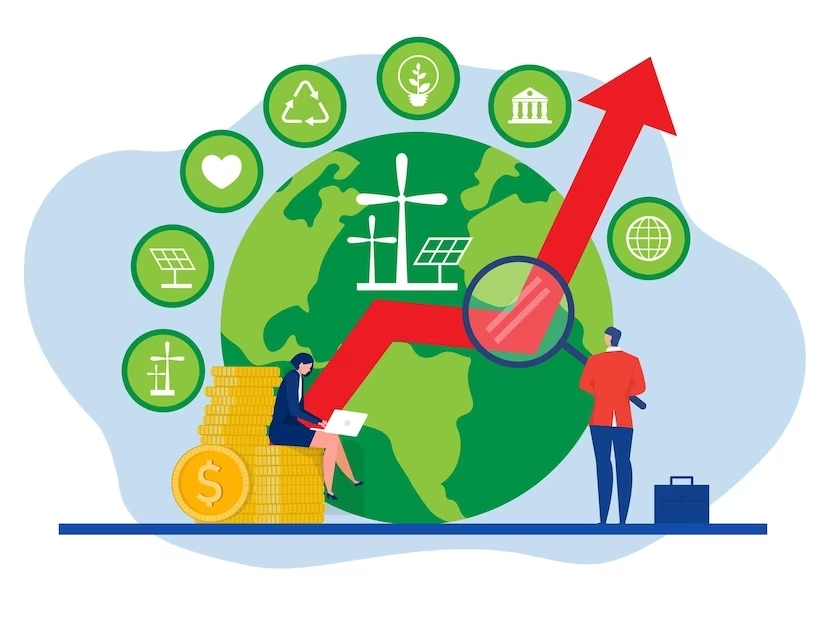
What Are Economic Conditions?
Economic conditions refer to the overall state and health of an economy at a given time. They describe how well an economy is performing and are typically assessed through a combination of indicators such as growth, employment, inflation, income levels, and consumer activity. Governments, businesses, investors, and individuals closely monitor economic conditions because they influence decision-making at every level—from national policy to everyday spending.
Understanding economic conditions is essential because they shape opportunities, risks, and living standards. Whether an economy is expanding or contracting affects jobs, wages, prices, and the availability of goods and services. In simple terms, economic conditions provide a snapshot of how “good” or “bad” the economy is doing.
Key Indicators of Economic Conditions
To evaluate economic conditions, economists rely on several core indicators:
1. Gross Domestic Product (GDP)
GDP measures the total value of goods and services produced within a country over a specific period. It is one of the most widely used indicators of economic performance. When GDP is growing, the economy is generally considered healthy. Conversely, declining GDP may signal economic trouble or recession.
2. Unemployment Rate
This measures the percentage of people in the labor force who are actively seeking work but cannot find employment. High unemployment often indicates weak economic conditions, while low unemployment suggests a strong labor market and a growing economy.
3. Inflation Rate
Inflation refers to the rate at which the general level of prices for goods and services rises. Moderate inflation is normal in a growing economy, but high inflation reduces purchasing power and can create uncertainty. Deflation (falling prices) can also be problematic, as it may signal reduced demand.
4. Consumer Confidence
Consumer confidence reflects how optimistic people feel about their financial situation and the economy as a whole. When confidence is high, people are more likely to spend money, which stimulates economic activity. When confidence is low, spending tends to decrease, slowing the economy.
5. Interest Rates
Interest rates, often set by central banks, influence borrowing and saving. Lower interest rates encourage borrowing and investment, while higher rates tend to reduce spending and control inflation.
Types of Economic Conditions
Economic conditions generally fall into a few broad categories:
1. Expansion
An expansion is a period of economic growth. During this phase, GDP increases, unemployment falls, businesses invest more, and consumer spending rises. Expansions are typically associated with improving living standards and increased opportunities.
2. Peak
The peak represents the highest point of economic growth before the economy begins to slow down. At this stage, inflation may rise, and the economy may be operating at full capacity.
3. Contraction (Recession)
A contraction occurs when economic activity declines. This phase is marked by falling GDP, rising unemployment, reduced spending, and lower investment. A prolonged contraction is known as a recession.
4. Trough
The trough is the lowest point of the economic cycle, where the economy stabilizes before beginning to recover. From here, a new expansion phase typically begins.
Factors That Influence Economic Conditions
Economic conditions do not change randomly; they are influenced by a variety of factors:
1. Government Policies
Fiscal policies (government spending and taxation) and monetary policies (control of money supply and interest rates) play a major role in shaping economic conditions. For example, increased government spending can stimulate growth during a downturn.
2. Global Events
International trade, geopolitical tensions, pandemics, and global financial crises can significantly impact economic conditions. Since economies are interconnected, events in one country often affect others.
3. Technological Advancements
Innovation can boost productivity, create new industries, and improve efficiency, leading to better economic conditions. However, it can also disrupt existing jobs and industries.
4. Natural Resources and Environment
The availability of resources such as oil, minerals, and agricultural land influences economic output. Natural disasters and climate-related issues can also disrupt economic stability.
5. Consumer and Business Behavior
Spending, saving, and investment decisions made by individuals and companies collectively shape the direction of the economy.
Why Economic Conditions Matter
Economic conditions affect nearly every aspect of life:
For Individuals:
They determine job availability, wage levels, cost of living, and financial security. In strong economic conditions, people tend to earn more and spend more. In weak conditions, they may face job loss or reduced income.
For Businesses:
Companies rely on favorable economic conditions for growth. Strong conditions encourage expansion, hiring, and investment. Weak conditions may force businesses to cut costs, reduce staff, or delay projects.
For Governments:
Governments use economic data to design policies that promote stability and growth. For instance, during a recession, they may lower taxes or increase spending to stimulate the economy.
For Investors:
Economic conditions influence financial markets. Investors adjust their strategies based on expectations about growth, inflation, and interest rates.
How Economic Conditions Are Measured
Economic conditions are measured using both quantitative data and qualitative analysis. Governments and institutions publish regular reports on GDP, employment, inflation, and other indicators. These reports help analysts assess trends and make forecasts.
In addition to official data, surveys and market trends provide insights into consumer and business sentiment. Together, these sources create a comprehensive picture of the economy.
Economic Conditions and the Business Cycle
Economic conditions are closely tied to the business cycle, which describes the natural rise and fall of economic activity over time. The cycle includes expansion, peak, contraction, and trough phases.
No economy remains in one phase permanently. Even strong economies eventually slow down, and weak economies eventually recover. Understanding this cycle helps policymakers and businesses prepare for changes and reduce risks.
Challenges in Interpreting Economic Conditions
While economic indicators provide valuable information, they are not always straightforward:
-
Data may be delayed or revised after initial release.
-
Different indicators may send mixed signals (e.g., strong GDP but rising inflation).
-
External shocks can quickly change economic conditions.
As a result, interpreting economic conditions requires careful analysis and consideration of multiple factors.
Conclusion
Economic conditions represent the overall state of an economy and are shaped by a complex interaction of factors, including policy decisions, global events, and human behavior. By analyzing key indicators such as GDP, unemployment, and inflation, economists and policymakers can assess whether an economy is growing, stable, or declining.
Understanding economic conditions is important for everyone—not just economists. It helps individuals make informed financial decisions, guides businesses in planning for the future, and enables governments to create effective policies. Although economic conditions constantly change, having a clear understanding of them provides a valuable framework for navigating an uncertain world.
- Arts
- Business
- Computers
- Giochi
- Health
- Home
- Kids and Teens
- Money
- News
- Personal Development
- Recreation
- Regional
- Reference
- Science
- Shopping
- Society
- Sports
- Бизнес
- Деньги
- Дом
- Досуг
- Здоровье
- Игры
- Искусство
- Источники информации
- Компьютеры
- Личное развитие
- Наука
- Новости и СМИ
- Общество
- Покупки
- Спорт
- Страны и регионы
- World

 English
 Russian
 French
 Spanish
 Portuguese
 Deutsch
 Turkish
 Dutch
Dutch
 Arabic
 Romaian
 Portuguese (Brazil)
 Greek
Greek