
How do managers support work-life balance?
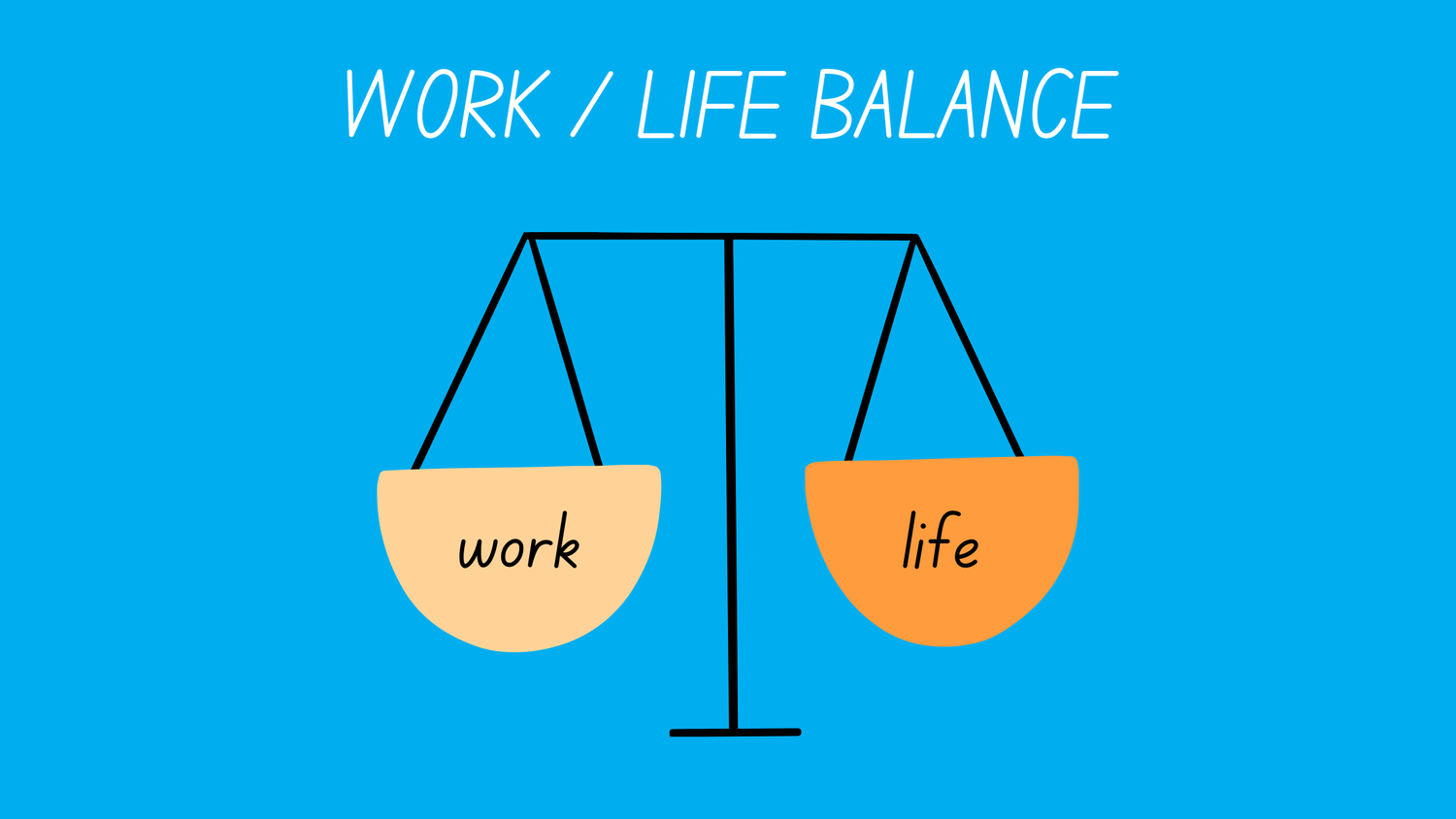
How Do Managers Support Work-Life Balance?
Work-life balance is not solely determined by organizational policies or employee discipline—it is heavily influenced by day-to-day managerial practices. Managers act as the critical link between high-level HR policies and the lived reality of employees. Their decisions shape workloads, expectations, communication norms, and cultural signals about what is acceptable within a team.
When managers actively support work-life balance, they reduce burnout, improve retention, and increase productivity. Conversely, poor managerial practices—such as excessive workload demands, unclear expectations, or constant availability pressure—can undermine even the best organizational policies.
This article provides a detailed, structured analysis of how managers support work-life balance, covering leadership behaviors, operational strategies, communication practices, and organizational alignment.
1. Setting Clear Expectations
One of the most important ways managers support work-life balance is by defining clear expectations around work scope, deadlines, and performance standards.
Why Clarity Matters
Ambiguity leads to:
-
Overwork due to uncertainty
-
Repeated revisions and inefficiency
-
Stress from unclear priorities
Clear expectations reduce cognitive overload and allow employees to plan their time effectively.
What Managers Should Define
-
Task priorities (what matters most)
-
Deadlines and flexibility levels
-
Expected quality standards
-
Availability requirements
A well-defined scope prevents unnecessary overtime and reduces the tendency for employees to overextend themselves.
2. Managing Workload Effectively
Workload management is a direct determinant of employee well-being.
Balanced Task Allocation
Managers should distribute work based on:
-
Capacity
-
Skill level
-
Current workload
-
Personal constraints when appropriate
Uneven workload distribution is a primary driver of burnout.
Avoiding Chronic Overload
Sustained overwork leads to:
-
Reduced productivity
-
Increased errors
-
Higher turnover
Managers must actively monitor workload trends rather than reacting only when issues arise.
3. Encouraging Reasonable Working Hours
Managers play a key role in shaping norms around working time.
Avoiding “Always-On” Culture
If managers regularly:
-
Send emails after hours
-
Expect immediate responses
-
Reward long hours over efficiency
They unintentionally create a culture where employees feel compelled to remain constantly available.
Establishing Boundaries
Effective managers:
-
Respect non-working hours
-
Encourage breaks and time off
-
Normalize disconnecting after work
This reinforces sustainable productivity patterns.
4. Supporting Flexible Working Arrangements
Managers are responsible for implementing flexibility policies in practice.
Types of Flexibility They Support
-
Remote or hybrid work schedules
-
Flexible start and end times
-
Compressed workweeks
-
Part-time arrangements
Managerial Role
Even when policies exist, managers determine:
-
Whether flexibility is genuinely accessible
-
How consistently it is applied
-
Whether employees feel safe using it
Supportive managers ensure flexibility is not just theoretical but operational.
5. Promoting Outcome-Based Performance
A major shift in modern management is moving from time-based evaluation to results-based evaluation.
Traditional vs Modern Approach
-
Traditional: Focus on hours worked
-
Modern: Focus on outcomes achieved
Benefits of Outcome-Based Evaluation
-
Reduces micromanagement
-
Encourages autonomy
-
Allows flexible scheduling
-
Improves efficiency
When employees are judged on results rather than visibility, they can better manage their own time.
6. Encouraging Time Off and Rest
Managers significantly influence whether employees actually take time off.
Common Barriers
Employees often avoid taking leave due to:
-
Fear of falling behind
-
Perceived workload pressure
-
Cultural expectations
Managerial Actions
Supportive managers:
-
Actively encourage vacation usage
-
Plan workloads to accommodate absences
-
Avoid contacting employees during leave
This ensures rest is restorative rather than interrupted.
7. Recognizing Signs of Burnout
Managers are often the first to notice burnout indicators.
Common Signs
-
Declining performance
-
Increased absenteeism
-
Irritability or disengagement
-
Missed deadlines
Intervention Strategies
-
One-on-one conversations
-
Workload adjustments
-
Temporary task redistribution
-
Referral to support resources
Early intervention prevents long-term performance and well-being issues.
8. Facilitating Effective Communication
Communication practices have a direct impact on stress levels and workload clarity.
Reducing Communication Overload
Managers can:
-
Limit unnecessary meetings
-
Encourage asynchronous communication
-
Consolidate updates
Clear and Structured Messaging
Poor communication leads to:
-
Rework
-
Confusion
-
Extended working hours
Clear instructions reduce unnecessary effort and improve efficiency.
9. Supporting Remote and Hybrid Teams
With the rise of flexible work models, managers must adapt their leadership style.
Key Responsibilities
-
Maintaining team cohesion
-
Ensuring accountability
-
Supporting remote engagement
Best Practices
-
Regular check-ins without micromanagement
-
Clear documentation of processes
-
Use of collaboration tools effectively
Managers must balance autonomy with structured support.
10. Building a Trust-Based Culture
Trust is foundational to work-life balance.
Why Trust Matters
Without trust:
-
Employees feel monitored
-
Micromanagement increases
-
Stress levels rise
How Managers Build Trust
-
Delegate responsibility
-
Avoid excessive oversight
-
Focus on outcomes
-
Be transparent in decision-making
Trust enables employees to manage their own time effectively.
11. Supporting Individual Needs
Employees have different life circumstances, and managers must recognize this diversity.
Examples of Individual Needs
-
Childcare responsibilities
-
Health conditions
-
Educational commitments
-
Caregiving duties
Flexible Support
Managers can:
-
Adjust schedules
-
Offer temporary workload changes
-
Provide remote work options
Personalized support improves retention and satisfaction.
12. Modeling Healthy Work-Life Behavior
Managers set behavioral norms through their own actions.
Influence of Leadership Behavior
If managers:
-
Work excessive hours
-
Send late-night messages
-
Skip vacations
Employees are likely to replicate these behaviors.
Positive Modeling
Effective managers:
-
Take breaks
-
Disconnect after hours
-
Use vacation time
-
Prioritize well-being
Leadership behavior often matters more than formal policy.
13. Preventing Micromanagement
Micromanagement is one of the most harmful practices for work-life balance.
Effects of Micromanagement
-
Reduces autonomy
-
Increases stress
-
Slows productivity
-
Creates dependency
Alternatives
-
Set clear goals
-
Provide autonomy in execution
-
Focus on checkpoints instead of constant oversight
Empowered employees manage their time more effectively.
14. Aligning Work-Life Balance with Business Goals
Managers must balance employee well-being with organizational performance.
Misconception
Work-life balance is often mistakenly seen as reducing productivity. In reality, it enhances it.
Strategic Alignment
-
Healthy employees perform better
-
Balanced workloads reduce errors
-
Sustainable practices reduce turnover costs
Managers who understand this alignment are more likely to support balance effectively.
15. Using Data to Manage Workload
Modern management can leverage data to support balance.
Useful Metrics
-
Task completion rates
-
Overtime frequency
-
Project timelines
-
Employee feedback
Benefits
-
Identifies workload imbalances
-
Prevents burnout patterns
-
Supports informed decision-making
Data-driven management reduces guesswork.
16. Encouraging Professional Development Without Overload
Career growth is important but must be balanced with workload realities.
Common Issues
-
Training added on top of full workloads
-
Lack of time for development
Managerial Solutions
-
Allocate dedicated learning time
-
Integrate development into work tasks
-
Prioritize training strategically
This ensures growth does not increase stress.
17. Handling Peak Work Periods
Some industries naturally experience workload fluctuations.
Managerial Strategies
-
Temporary staffing support
-
Adjusted deadlines when possible
-
Overtime compensation or time off in lieu
Planning for peaks reduces chronic stress.
18. Creating Psychological Safety
Psychological safety enables employees to express concerns without fear.
Importance
Employees must feel safe to:
-
Report overload
-
Request flexibility
-
Discuss personal constraints
Managerial Role
-
Encourage open dialogue
-
Respond constructively to feedback
-
Avoid punitive reactions
This fosters a healthier work environment.
Conclusion
Managers play a decisive role in shaping work-life balance within organizations. While policies provide structure, it is managerial behavior that determines how those policies are experienced in practice.
Effective managers support work-life balance by setting clear expectations, managing workloads responsibly, encouraging boundaries, supporting flexibility, and fostering trust. They also act as cultural role models, demonstrating that productivity and well-being are not competing goals but complementary outcomes.
Ultimately, work-life balance is not a standalone initiative—it is a management practice embedded in daily decisions. When managers prioritize balance intentionally, they create healthier teams, stronger performance, and more sustainable organizations.
- Arts
- Business
- Computers
- Spiele
- Health
- Startseite
- Kids and Teens
- Geld
- News
- Personal Development
- Recreation
- Regional
- Reference
- Science
- Shopping
- Society
- Sports
- Бизнес
- Деньги
- Дом
- Досуг
- Здоровье
- Игры
- Искусство
- Источники информации
- Компьютеры
- Личное развитие
- Наука
- Новости и СМИ
- Общество
- Покупки
- Спорт
- Страны и регионы
- World

 English
 Russian
 French
 Spanish
 Portuguese
 Turkish
 Dutch
Dutch
 Italiano
 Arabic
 Romaian
 Portuguese (Brazil)
 Greek
Greek