
What Is Reshoring?
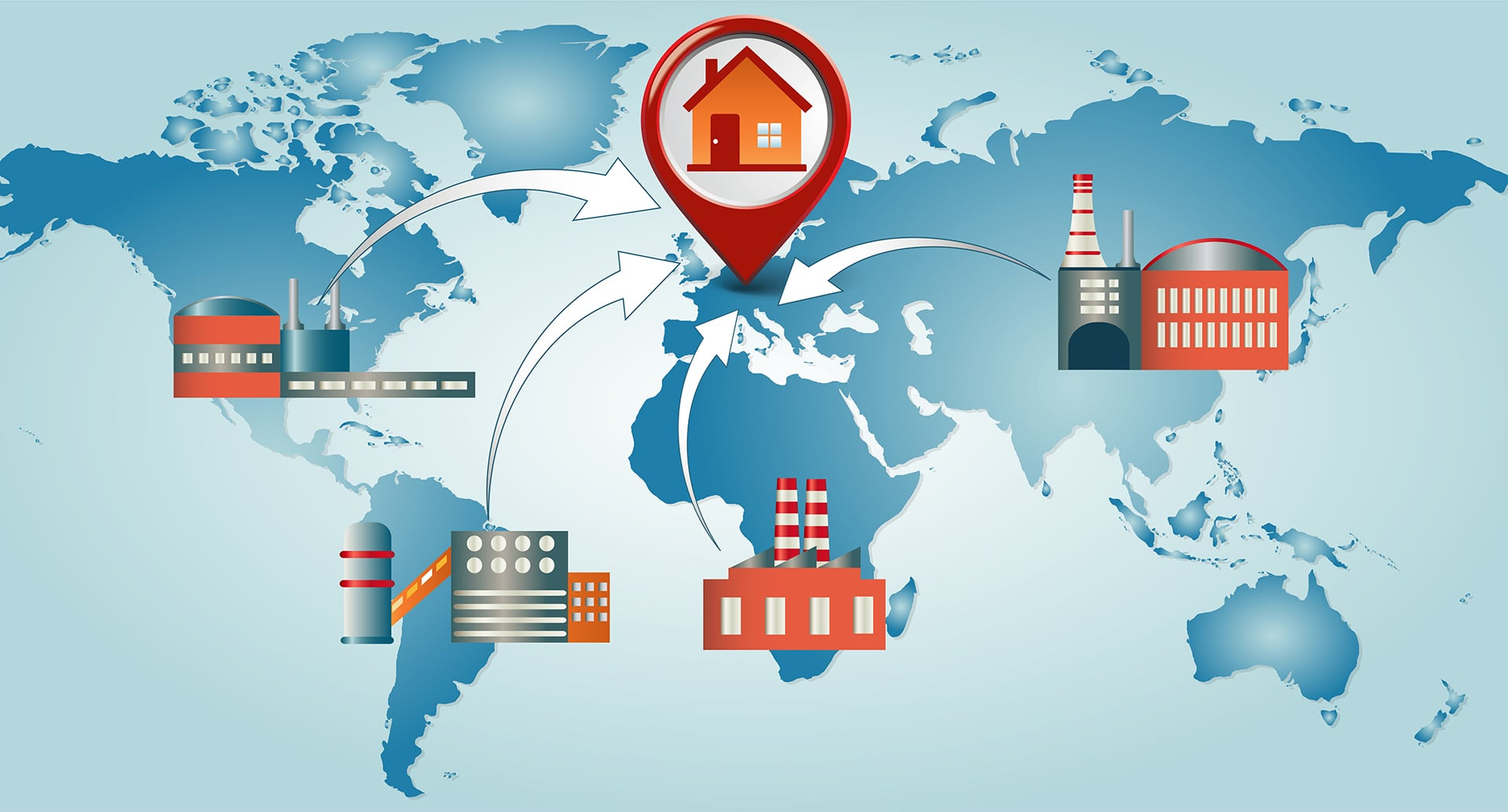
In response to the challenges of globalization and offshoring, many companies are rethinking where they locate their operations. One important trend that has gained momentum in recent years is reshoring.
Reshoring refers to the process of bringing business operations—such as manufacturing, services, or production—back to a company’s home country after they were previously moved abroad. It is often seen as the opposite of offshoring.
This article explores what reshoring is, why companies choose it, its advantages and disadvantages, and its role in the modern global economy.
Definition of Reshoring
Reshoring (also called “backshoring”) is the relocation of business operations from a foreign country back to the company’s original or home country.
Example
- A U.S. company moving manufacturing from China back to the United States
- A European firm relocating services from Asia back to Europe
Key Idea
Reshoring reverses the offshoring trend and focuses on domestic production and operations.
1. Why Companies Reshore
Companies choose reshoring for several strategic reasons.
Rising Offshore Costs
Labor costs in offshore locations may increase over time.
Hidden Costs of Offshoring
Expenses such as logistics, coordination, and quality control reduce savings.
Need for Greater Control
Companies want closer oversight of operations.
Impact
Reshoring becomes more attractive when offshoring advantages decline.
2. Improved Quality Control
Reshoring allows better control over production and services.
Direct Supervision
Managers can monitor operations more closely.
Standardization
Easier to maintain consistent quality standards.
Impact
Higher product and service quality.
3. Supply Chain Resilience
Global disruptions have highlighted supply chain risks.
Issues with Offshoring
- Delays
- Transportation disruptions
- Dependency on foreign suppliers
Reshoring Benefits
- Shorter supply chains
- Faster response to disruptions
Impact
More stable and reliable operations.
4. Faster Time to Market
Reshoring improves speed.
Local Production
Products can be manufactured and delivered more quickly.
Reduced Shipping Time
Eliminates long-distance transportation delays.
Impact
Greater competitiveness and responsiveness.
5. Technological Advancements
Automation has changed the cost equation.
Role of Technology
- Robotics
- Artificial intelligence
- Advanced manufacturing
Impact
Reduced reliance on low-cost labor, making domestic production viable.
6. Protection of Intellectual Property
Reshoring reduces IP risks.
Benefits
- Stronger legal protection
- Less exposure to foreign environments
Impact
Better safeguarding of proprietary information.
7. Political and Economic Factors
Government policies influence reshoring.
Incentives
- Tax benefits
- Subsidies
- Support for domestic manufacturing
Trade Policies
Tariffs and trade restrictions encourage reshoring.
Impact
Companies respond to changing policy environments.
8. Customer Perception and Branding
Consumers increasingly value local production.
“Made Locally” Appeal
Products produced domestically may be perceived as higher quality.
Ethical Considerations
- Labor standards
- Environmental responsibility
Impact
Improved brand reputation.
9. Job Creation in Home Countries
Reshoring can create domestic employment.
New Opportunities
Jobs in manufacturing, services, and technology.
Economic Impact
- Reduced unemployment
- Increased economic activity
Impact
Positive effects on local economies.
10. Cost Considerations
Reshoring is not always cheaper.
Higher Labor Costs
Domestic wages are often higher.
Investment Requirements
Companies may need to invest in facilities and technology.
Impact
Cost-benefit analysis is essential.
11. Challenges of Reshoring
Reshoring also presents difficulties.
Skill Gaps
Lack of trained workers in certain industries.
Infrastructure Limitations
Domestic facilities may need upgrading.
Transition Costs
Moving operations back can be expensive and complex.
Impact
Reshoring requires careful planning.
12. Comparison with Offshoring
Offshoring
- Lower costs
- Global operations
- Access to large talent pools
Reshoring
- Higher control
- Faster operations
- Reduced risk
Impact
Each strategy has trade-offs.
13. Industries Leading Reshoring
Some industries are more likely to reshore.
Manufacturing
Especially advanced and automated manufacturing.
Technology
Sensitive operations requiring security.
Healthcare and Pharmaceuticals
Need for reliability and regulation compliance.
Impact
Industry characteristics influence reshoring decisions.
14. Hybrid Models
Many companies combine reshoring and offshoring.
Balanced Approach
- Domestic production for critical tasks
- Offshore operations for cost efficiency
Impact
Optimizes cost, quality, and flexibility.
15. Environmental Impact
Reshoring can reduce environmental impact.
Shorter Supply Chains
Less transportation reduces emissions.
Local Regulations
Stricter environmental standards in some countries.
Impact
Supports sustainability goals.
16. Future Trends in Reshoring
Increased Automation
Makes domestic production more competitive.
Supply Chain Diversification
Reducing reliance on single regions.
Digital Manufacturing
Advanced technologies enable flexible production.
Impact
Reshoring is likely to continue growing.
Conclusion
Reshoring is an important trend in the evolving global economy, offering companies greater control, improved quality, and more resilient supply chains. While it may involve higher costs and operational challenges, advancements in technology and changing economic conditions are making reshoring increasingly viable.
Rather than replacing offshoring entirely, reshoring often complements it as part of a broader global strategy. Companies must carefully evaluate their goals, costs, and risks to determine the right balance between domestic and international operations.
- Arts
- Business
- Computers
- Games
- Health
- Home
- Kids and Teens
- Money
- News
- Personal Development
- Recreation
- Regional
- Reference
- Science
- Shopping
- Society
- Sports
- Бизнес
- Деньги
- Дом
- Досуг
- Здоровье
- Игры
- Искусство
- Источники информации
- Компьютеры
- Личное развитие
- Наука
- Новости и СМИ
- Общество
- Покупки
- Спорт
- Страны и регионы
- World

 Russian
 French
 Spanish
 Portuguese
 Deutsch
 Turkish
 Dutch
Dutch
 Italiano
 Arabic
 Romaian
 Portuguese (Brazil)
 Greek
Greek