
Is Offshoring Still Relevant in 2026?
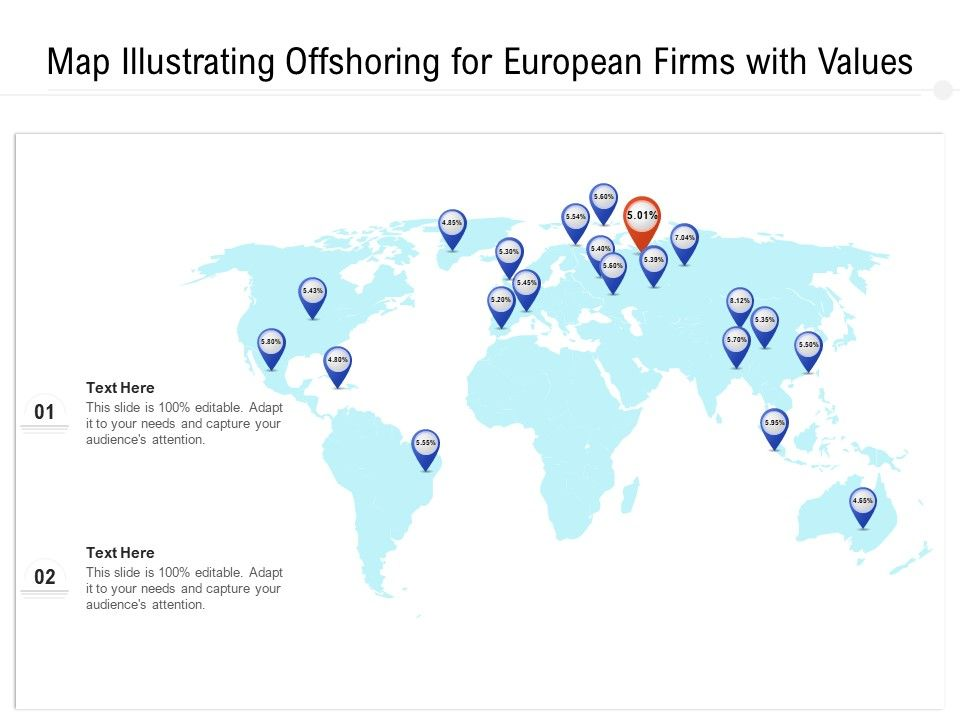
Over the past few decades, offshoring has been a cornerstone of globalization, enabling companies to reduce costs, access global talent, and scale operations efficiently. However, rapid technological advancements, geopolitical shifts, and changing economic conditions have raised an important question: Is offshoring still relevant in 2026?
The short answer is yes—but it is evolving. Offshoring today looks very different from what it was 10 or 20 years ago. Companies are no longer driven solely by cost reduction; instead, they are adopting more strategic, flexible, and technology-driven approaches.
This article explores the relevance of offshoring in 2026, the factors shaping its future, and how businesses are adapting.
The Evolution of Offshoring
Traditionally, offshoring focused on:
- Low-cost labor
- Manufacturing relocation
- Basic service outsourcing
Today, it has evolved into:
- Knowledge-based work
- High-skill services
- Global collaboration networks
1. Continued Cost Advantages
Labor Cost Differences
Wage gaps between countries still exist.
Operational Savings
Companies continue to reduce expenses through offshore operations.
Impact
Cost remains a key driver, though not the only one.
2. Access to Global Talent
Talent Shortages
Many countries face shortages in skilled workers.
Offshore Talent Pools
Companies access expertise worldwide.
Examples
- Software development
- Engineering
- Data analysis
Impact
Talent access is now as important as cost savings.
3. Rise of Remote Work
Global Workforce
Remote work has normalized distributed teams.
Digital Collaboration
Teams work together regardless of location.
Impact
Offshoring blends with remote work models.
4. Impact of Automation and AI
Reduced Dependence on Low-Cost Labor
Automation replaces repetitive tasks.
Shift to High-Skill Work
Offshoring focuses on specialized roles.
Impact
Offshoring evolves rather than disappears.
5. Shift Toward Hybrid Models
Combination Strategies
Companies mix:
- Offshoring
- Nearshoring
- Onshoring
Flexibility
Operations are distributed based on needs.
Impact
Hybrid models dominate in 2026.
6. Increased Focus on Risk Management
Lessons from Global Disruptions
Events like pandemics and supply chain crises have changed strategies.
Risk Diversification
Companies avoid relying on a single location.
Impact
Offshoring becomes more strategic and diversified.
7. Supply Chain Restructuring
Challenges
- Delays
- Transportation costs
- Dependency on distant suppliers
Adjustments
- Regional supply chains
- Nearshoring
Impact
Offshoring is part of a broader supply chain strategy.
8. Data Security and Compliance Concerns
Increased Regulations
Stronger data protection laws worldwide.
Security Requirements
Companies invest more in cybersecurity.
Impact
Offshoring decisions are influenced by compliance needs.
9. Rising Offshore Costs
Wage Growth
Some offshore destinations are becoming more expensive.
Reduced Cost Gap
Difference between domestic and offshore costs is shrinking.
Impact
Companies reassess offshoring strategies.
10. Demand for Speed and Agility
Faster Market Expectations
Customers expect quick responses and delivery.
Offshoring Challenges
Time zones and distance can slow processes.
Impact
Companies balance offshoring with local operations.
11. Sustainability and Environmental Concerns
Environmental Impact
Long-distance transportation increases emissions.
Corporate Responsibility
Companies focus on sustainability.
Impact
Encourages nearshoring and reshoring alongside offshoring.
12. Government Policies and Geopolitics
Trade Policies
Tariffs and regulations influence decisions.
Political Risks
Geopolitical tensions affect global operations.
Impact
Companies choose locations more carefully.
13. Technological Advancements
Digital Infrastructure
Cloud computing and collaboration tools enable global work.
AI and Analytics
Improve efficiency and decision-making.
Impact
Technology supports modern offshoring.
14. Industry-Specific Relevance
Highly Relevant Industries
- IT and software development
- Customer support
- Financial services
Less Relevant Areas
- Highly regulated industries
- Work requiring physical proximity
Impact
Relevance varies by industry.
15. Changing Business Priorities
Beyond Cost
Companies prioritize:
- Innovation
- Quality
- Speed
- Risk management
Impact
Offshoring becomes part of a broader strategy.
16. Future Outlook
Continued Evolution
Offshoring will adapt to new technologies and conditions.
Integration with Automation
Human and machine collaboration will increase.
Global Talent Networks
Companies will operate as distributed organizations.
Impact
Offshoring remains relevant but transformed.
Advantages of Offshoring in 2026
- Access to global talent
- Cost efficiency (in some regions)
- Scalability
- 24/7 operations
Challenges of Offshoring in 2026
- Security risks
- Regulatory complexity
- Communication barriers
- Rising costs
Key Insight
Offshoring is no longer just about saving money—it is about building a flexible, global, and resilient business model.
Conclusion
Offshoring is still highly relevant in 2026, but it has evolved significantly. Companies are no longer relying on it purely for cost reduction; instead, they use it as part of a broader, more strategic approach that includes nearshoring, reshoring, automation, and digital transformation.
The future of offshoring lies in adaptability. Organizations that embrace new technologies, manage risks effectively, and integrate global talent into their operations will continue to benefit from offshoring in the years ahead.
- Arts
- Business
- Computers
- Игры
- Health
- Главная
- Kids and Teens
- Деньги
- News
- Personal Development
- Recreation
- Regional
- Reference
- Science
- Shopping
- Society
- Sports
- Бизнес
- Деньги
- Дом
- Досуг
- Здоровье
- Игры
- Искусство
- Источники информации
- Компьютеры
- Личное развитие
- Наука
- Новости и СМИ
- Общество
- Покупки
- Спорт
- Страны и регионы
- World

 English
 French
 Spanish
 Portuguese
 Deutsch
 Turkish
 Dutch
Dutch
 Italiano
 Arabic
 Romaian
 Portuguese (Brazil)
 Greek
Greek
