
How can I clean faster and easier?
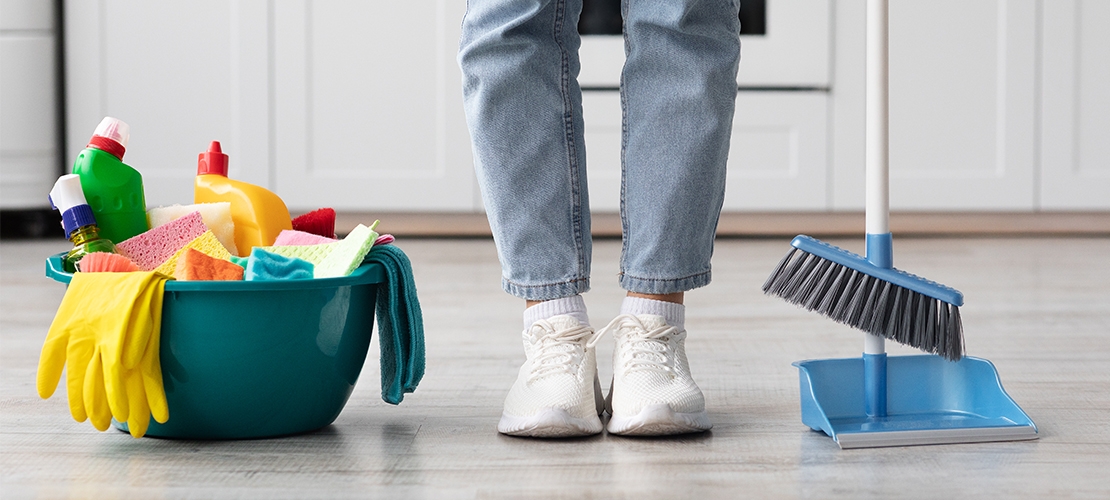
How Can I Clean Faster and Easier?
Cleaning is one of those necessary tasks that most people want to minimize without sacrificing results. The goal is not just cleanliness, but efficiency—achieving a clean, organized space in the least amount of time and effort possible. Cleaning faster and easier is entirely achievable when you combine the right mindset, structured systems, and practical techniques.
This guide breaks down proven strategies, optimized workflows, and actionable hacks that will help you clean smarter, not harder.
The Mindset Shift: Efficiency Over Perfection
Before diving into techniques, it’s critical to adjust your expectations. Many people clean slowly because they aim for perfection every time. This leads to over-cleaning, unnecessary repetition, and burnout.
Instead:
-
Focus on “good enough” for daily cleaning
-
Reserve deep cleaning for scheduled sessions
-
Prioritize high-impact areas (visible surfaces, frequently used spaces)
Cleaning faster starts with accepting that not everything needs to be spotless at all times.
The Golden Rule: Clean As You Go
One of the most effective ways to reduce cleaning time is to prevent mess from accumulating.
-
Wipe surfaces immediately after use
-
Wash dishes while cooking
-
Put items back right after using them
This eliminates the need for large, time-consuming cleaning sessions later.
Use the Right Tools for Speed
Efficient Cleaning Toolkit


Having the right tools dramatically reduces effort:
-
Microfiber cloths: Trap dust and dirt more effectively than regular cloths
-
All-purpose cleaner: Eliminates the need for multiple products
-
Cordless vacuum: Quick access encourages frequent cleaning
-
Cleaning caddy: Keeps supplies portable and accessible
The less time you spend searching for tools, the faster you clean.
Follow a Systematic Cleaning Order
Cleaning randomly wastes time and causes duplication. A structured approach ensures efficiency.
Top-to-Bottom, Left-to-Right
Always clean:
-
Top to bottom (dust falls downward)
-
Left to right (ensures nothing is missed)
This prevents re-cleaning areas and keeps your workflow consistent.
The Power of Timed Cleaning
Speed Cleaning Method


Set a timer for 10–20 minutes and clean as much as possible within that period.
Benefits:
-
Creates urgency and focus
-
Prevents procrastination
-
Turns cleaning into a manageable task
You’ll be surprised how much you can accomplish in a short, focused burst.
Declutter First, Always
Cleaning clutter is what slows most people down. Before you clean:
-
Remove unnecessary items
-
Put things back in their proper place
-
Clear surfaces
A clutter-free space is significantly faster to clean.
Use Multi-Tasking Techniques
Let Products Work for You


-
Spray cleaners and let them sit while you clean something else
-
Soak dishes instead of scrubbing immediately
-
Apply bathroom cleaner before starting other tasks
This reduces manual effort and saves time.
Room-by-Room Speed Strategy
1. Kitchen
Focus on:
-
Clearing counters
-
Loading/unloading the dishwasher
-
Wiping surfaces
Hack: Clean while cooking to avoid buildup.
2. Bathroom
Focus on:
-
Sink and mirror
-
Toilet
-
Shower surfaces
Hack: Keep wipes nearby for quick daily maintenance.
3. Living Room
Focus on:
-
Decluttering
-
Dusting visible surfaces
-
Quick vacuum
Hack: Use a basket to collect out-of-place items quickly.
4. Bedroom
Focus on:
-
Making the bed
-
Organizing surfaces
-
Light dusting
Hack: A made bed instantly makes the room look clean.
Use Smart Cleaning Hacks
High-Impact Shortcuts


-
Lint roller: Quickly remove crumbs and hair
-
Pillowcase trick: Clean ceiling fans without spreading dust
-
Squeegee: Lift pet hair from carpets
-
Steam cleaning (microwave): Loosens grime instantly
These hacks save significant time compared to traditional methods.
Reduce Cleaning Frequency
The less often you need to clean deeply, the better.
-
Use doormats to reduce dirt
-
Remove shoes indoors
-
Wipe surfaces daily
Prevention is faster than cleaning.
Optimize Your Cleaning Routine
Create a Simple Schedule
Instead of doing everything at once:
-
Daily: Light cleaning (10–15 minutes)
-
Weekly: Deeper cleaning tasks
-
Monthly: Maintenance and detail work
Breaking tasks into smaller sessions prevents overwhelm.
Minimize Decision-Making
Decision fatigue slows you down. Simplify by:
-
Using the same cleaning routine every time
-
Keeping products in fixed locations
-
Following a checklist
Consistency leads to speed.
Use Technology to Your Advantage
-
Robot vacuums: Maintain floors automatically
-
Electric scrubbers: Reduce manual effort
-
Dishwashers: Save time compared to handwashing
Automation is one of the most effective ways to clean easier.
Work in Short Bursts, Not Marathons
Long cleaning sessions lead to fatigue and inefficiency.
Instead:
-
Clean in short, focused intervals
-
Take breaks when needed
-
Spread tasks throughout the week
This keeps energy levels high and productivity consistent.
Keep Cleaning Supplies Accessible
Store supplies where you use them:
-
Bathroom cleaners in the bathroom
-
Kitchen supplies under the sink
-
Portable caddy for general cleaning
Accessibility reduces friction and saves time.
Adopt the “One-Touch” Rule
Handle items only once whenever possible:
-
Put things away immediately
-
Avoid moving clutter from one place to another
This eliminates unnecessary steps.
Speed vs. Deep Cleaning
Understand the difference:
-
Speed cleaning: Maintenance, quick and efficient
-
Deep cleaning: Thorough, less frequent
Trying to deep clean every time is what makes cleaning slow and exhausting.
Common Mistakes That Slow You Down
-
Cleaning without a plan
-
Using too many products
-
Ignoring clutter
-
Re-cleaning already cleaned areas
-
Waiting too long between cleaning sessions
Avoiding these mistakes alone can significantly improve efficiency.
Building Long-Term Cleaning Habits
Start Small
Choose a few high-impact habits:
-
Make your bed daily
-
Wipe surfaces after use
-
Do a quick evening reset
Stay Consistent
Consistency matters more than intensity. Small daily efforts prevent large messes.
Evaluate and Improve
Regularly assess what works and what doesn’t. Adjust your routine for maximum efficiency.
The Compounding Effect of Smart Cleaning
When you apply these strategies consistently:
-
Cleaning takes less time overall
-
Your home stays cleaner longer
-
You experience less stress
-
You free up time for other priorities
Small improvements in your cleaning approach can lead to major lifestyle benefits.
Conclusion
Cleaning faster and easier is not about working harder—it’s about working smarter. By using efficient tools, following structured systems, reducing clutter, and adopting consistent habits, you can dramatically cut down the time and effort required to maintain a clean home.
The key principles are simple:
-
Prevent mess whenever possible
-
Clean strategically, not randomly
-
Focus on high-impact tasks
-
Build habits that reduce workload over time
With the right approach, cleaning becomes less of a burden and more of a quick, manageable part of your routine. Over time, these methods transform not just your home, but your overall sense of control and productivity.
- Arts
- Business
- Computers
- Jeux
- Health
- Domicile
- Kids and Teens
- Argent
- News
- Personal Development
- Recreation
- Regional
- Reference
- Science
- Shopping
- Society
- Sports
- Бизнес
- Деньги
- Дом
- Досуг
- Здоровье
- Игры
- Искусство
- Источники информации
- Компьютеры
- Личное развитие
- Наука
- Новости и СМИ
- Общество
- Покупки
- Спорт
- Страны и регионы
- World

 English
 Russian
 Spanish
 Portuguese
 Deutsch
 Turkish
 Dutch
Dutch
 Italiano
 Arabic
 Romaian
 Portuguese (Brazil)
 Greek
Greek
